







Metabolism: More Than Calories
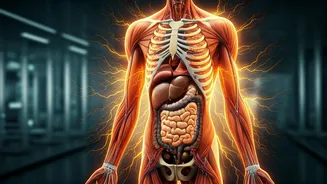
Your metabolism is a sophisticated biological engine, orchestrating countless chemical reactions to keep you alive and functioning. While often simplified
to just calorie burning, it encompasses the entire spectrum of processes from breaking down your food for nutrient absorption to efficiently removing waste products. This complex system dictates your body's basal metabolic rate, the energy it expends at rest. Understanding that metabolism involves more than just the number of calories you burn is the first step towards appreciating its multifaceted role in overall health and energy balance.
Muscle: Your Metabolic Ally
The composition of your body plays a significant role in how efficiently it burns calories. Specifically, muscle tissue is a metabolic powerhouse, consuming more energy even when you're at rest compared to fat tissue. Therefore, cultivating and maintaining a healthy amount of muscle mass is not merely for aesthetic purposes; it's a strategic move to enhance your body's overall metabolic rate. This means that efforts focused on strength training can directly contribute to a more robust metabolism, aiding in long-term energy expenditure and supporting weight management goals.
Genetics and Metabolic Rate
While lifestyle factors are crucial, it's important to acknowledge the inherent biological blueprint that influences your metabolic speed. Your genetic makeup plays a discernible role in predetermining your metabolic rate, meaning some individuals naturally possess a faster or slower metabolism from birth. This genetic predisposition means that while everyone can optimize their metabolism through healthy habits, the starting point and the potential for variation can differ significantly among individuals. Recognizing this genetic influence helps in setting realistic expectations and tailoring personal health strategies.
Dieting's Metabolic Toll
The common practice of repeatedly embarking on restrictive diets can paradoxically make future fat loss more challenging. When you drastically cut calories, your body perceives this as a period of scarcity and instinctively slows down its metabolic processes to conserve energy. This adaptation, often referred to as metabolic adaptation, means your body burns fewer calories at rest, making it harder to achieve a calorie deficit for weight loss. This cycle of dieting and metabolic slowdown can create a frustrating plateau, underscoring the importance of sustainable approaches over drastic restrictions.
Sleep and Stress Impact
Beyond diet and exercise, two often-overlooked pillars of metabolic health are sleep and stress management. Insufficient sleep and chronic stress can significantly disrupt the delicate hormonal balance that governs your metabolism. These disruptions can lead to increased appetite, heightened cravings for high-calorie foods, and potentially contribute to unwanted weight gain. Prioritizing adequate rest and implementing stress-reduction techniques are therefore vital components for maintaining a healthy and functional metabolic system.