






FTA: The Basics
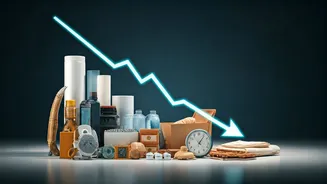
A Free Trade Agreement, or FTA, is essentially a pact between two or more countries. It works by eliminating or reducing tariffs and other trade barriers.
This helps to boost the flow of goods and services. The aim of an FTA is to facilitate trade, encouraging economic growth and stronger relationships. It's a way for participating nations to collaborate and create more opportunities within their economies. This results in cheaper goods for consumers, and increased competition among producers to offer better quality products. FTAs are intricate agreements that reshape global commerce.
India's Potential Gains
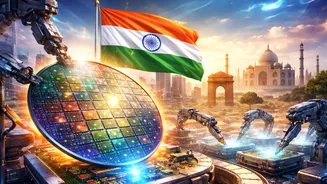
India stands to benefit from increased access to the European Union market. This agreement will lower tariffs, opening doors for Indian exporters in a range of sectors. The FTA could lead to more Foreign Direct Investment (FDI) into India, boosting infrastructure and generating jobs. Increased trade could help India diversify its economy, reducing dependency on a few key markets. The India-EU FTA signifies a step towards greater integration with a major economic bloc, potentially driving up India's economic growth. This agreement also strengthens India's international standing.
EU's Perspective
For the European Union, the FTA offers access to the rapidly growing Indian market. European businesses may find it easier to export their products and services to India, creating new market opportunities. The agreement might boost economic activity within the EU, supporting jobs and business expansion. Furthermore, the India-EU FTA can help to foster closer political and strategic ties. This can lead to increased collaboration on various global challenges, solidifying the EU's influence on the world stage. The FTA's focus on sustainable trade and development is a crucial element for both parties.
Key Sectoral Impacts
The FTA's effects will be most notable across certain sectors. Indian businesses in textiles, pharmaceuticals, and agricultural products may experience significant growth due to reduced tariffs. European companies in sectors such as machinery, automobiles, and financial services might also see greater market access in India. These changes could encourage specialization and efficiency in both economies. These sectoral impacts will be crucial in determining the FTA's ultimate success and broader consequences for businesses and consumers. Specific businesses will need to adapt to these changes.
Winners and Losers
While the India-EU FTA has many advantages, it's essential to consider potential winners and losers. Exporters in both regions should gain from the trade deal. However, some domestic industries could struggle to compete with increased imports. Policies will need to be implemented to protect vulnerable sectors and support the transition. Job losses in some sectors are a possible concern. The government may need to implement supporting measures for those who are adversely affected by the new agreement. Careful consideration is needed to ensure fair and balanced outcomes.
Navigating Challenges
Several hurdles must be addressed to ensure the FTA's success. Differences in regulatory frameworks and standards can complicate trade. Negotiations on sensitive issues, like tariffs on certain goods, could prove challenging. Effective communication and cooperation between both sides are key to addressing potential disputes. Maintaining political will and commitment is crucial. Successfully navigating these hurdles will be vital for realizing the FTA's full economic potential. The success of the FTA relies on sustained cooperation.