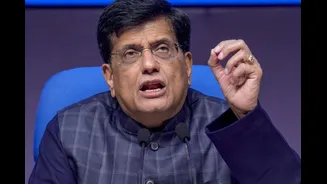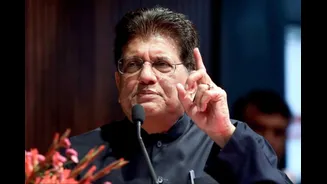

FTA: Major Economic Boost
The India-EU Free Trade Agreement (FTA) is a deal that can lead to significant economic growth, as it encompasses around 25% of the global Gross Domestic
Product (GDP). This FTA is anticipated to boost trade between India and the European Union, creating new opportunities for businesses and consumers alike. The agreement aims to reduce trade barriers, such as tariffs and quotas, making it easier and more cost-effective for companies to trade goods and services. This improved accessibility can lead to increased exports from India to the EU, which can further strengthen India's economic position globally and drive domestic growth by creating jobs and stimulating industrial activity within the country. The comprehensive nature of the FTA, which likely covers various sectors, indicates its potential for a broad economic impact.
Trade Liberalization Benefits
The India-EU FTA will bring about trade liberalization, which involves the reduction of trade barriers. This will be a major advantage for both parties involved. Reduced tariffs and non-tariff barriers will lower the cost of doing business, making Indian products more competitive in the EU market. This increased competitiveness could lead to higher sales for Indian exporters, leading to more production and job creation in India. Moreover, the removal of quotas and other trade restrictions facilitates easier access to the European market. As trade becomes simpler, it can encourage more businesses, including small and medium-sized enterprises, to participate in international trade, thus contributing to India's overall economic diversification and global integration. The FTA is more than just about economics; it also builds stronger partnerships between India and the EU.
Key Sectoral Impacts
The India-EU FTA is likely to influence several sectors within the Indian economy, some more than others. Manufacturing is expected to gain, as Indian manufacturers gain enhanced access to the EU market. Sectors like textiles, pharmaceuticals, and engineering goods are set to see considerable increases in export sales. Furthermore, the services sector is anticipated to benefit, especially in areas like information technology and business process outsourcing. The agreement will likely boost investment in India. It is likely that the EU companies will invest more in India. This could lead to a transfer of technology and expertise, as well as job creation within the country. While each sector will experience the effects of the FTA differently, the overall result should be economic growth and diversification across various industries, strengthening India's overall economic competitiveness.
Navigating Challenges Ahead
While the India-EU FTA offers numerous benefits, challenges might arise. Indian businesses might face hurdles in meeting EU standards and regulations. Ensuring compliance with the EU's environmental and labor standards could require additional investments and adjustments. Another issue is competition. Some Indian industries may encounter intensified competition from European firms, potentially affecting domestic market shares. Overcoming these challenges will require strategic planning by the Indian government and businesses. This can include targeted support for industries needing help, streamlining regulatory processes, and investing in infrastructure improvements. Addressing these challenges is vital to maximizing the benefits of the FTA and ensuring that it leads to inclusive and sustainable economic growth for India. Managing the implementation phase effectively will prove essential to realize the pact’s full potential.
Long-Term Strategic Implications
The India-EU FTA has far-reaching strategic consequences for India. It is a step toward diversifying India's trade partnerships and reducing dependence on any single trading partner. Strengthening ties with the EU reinforces India's position on the global stage. This opens avenues for cooperation on geopolitical issues, such as security and sustainable development, which promotes a more stable international order. The FTA sends a positive signal to other countries and investors, indicating India's commitment to economic reforms and its openness to international trade. As a result, it can attract additional foreign investment and further integrate India into global value chains. The successful implementation of the FTA signifies a shift in India’s economic diplomacy and its aspirations to become a key player in the global economy, fostering long-term strategic benefits.