





High-Speed Rail Vision
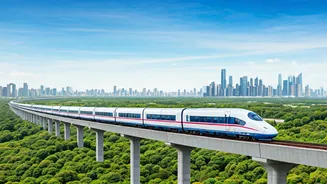
The ambitious vision for India's high-speed rail network encompasses the establishment of seven new bullet train corridors. These corridors represent a significant
investment in infrastructure aimed at improving connectivity across the country. The initiative promises to drastically reduce travel times, connecting major cities and economic hubs with unprecedented efficiency. This ambitious undertaking is expected to reshape the way people travel and conduct business, facilitating greater economic integration and regional development. The projects aim to stimulate economic activity by fostering trade, tourism, and investment along the corridors. This development is not merely about transportation; it's about transforming the socio-economic landscape and improving the quality of life for millions of citizens. This initiative will also help in promoting sustainable transportation, by decreasing dependence on conventional modes of transport.
Corridor Routes Unveiled
The proposed corridors are strategically planned to link major urban centers and facilitate regional development. One of these corridors is set to connect Delhi to Varanasi via a high-speed route, significantly reducing travel time between these important cities. Another corridor will link Mumbai and Hyderabad, establishing a fast connection between two major financial and technological hubs. The routes are designed to navigate through varied terrains and densely populated areas, requiring advanced engineering and careful planning. The government is also planning corridors connecting Mumbai to Nagpur, Chennai to Bengaluru, and Delhi to Amritsar. These routes are designed to enhance accessibility to key economic zones and improve the overall connectivity of the nation. The specific routes will be finalized after detailed surveys and assessments to ensure optimal efficiency and minimal environmental impact, aligning with India's long-term sustainability goals.
Benefits of High Speed
The introduction of bullet trains promises a multitude of benefits, primarily centered around reduced travel times. These high-speed services will drastically decrease the time required to travel between cities, making commuting and business travel more efficient. Besides time savings, these corridors are expected to spur economic growth by enabling faster movement of goods and services. The improved connectivity will also enhance tourism and encourage investment in the regions along the routes. The infrastructure projects will create numerous employment opportunities, from construction to operations and maintenance, boosting local economies. The implementation of modern railway technology will also improve safety standards and reduce the carbon footprint of transportation, aligning with national environmental goals.
Economic Impact Analysis
The economic impact of these bullet train corridors is projected to be substantial, influencing various sectors and regions. Faster transportation links will promote trade and investment, enabling businesses to expand their reach and reduce logistics costs. The improved connectivity is expected to boost tourism, with easier access to popular destinations along the railway routes. Furthermore, real estate values and land development are anticipated to increase in areas served by the high-speed rail network. The projects will create a significant number of jobs, contributing to local employment. In addition to direct economic gains, the bullet train network is expected to enhance overall productivity and competitiveness of the Indian economy, positioning the nation for future growth. The development of these corridors also demonstrates India's commitment to modernizing its infrastructure and attracting foreign investment.
Future Developments Outlook
Looking ahead, the development of the seven new bullet train corridors represents a long-term investment in India's infrastructure and economic growth. Future plans include expanding the high-speed rail network, with additional corridors proposed to connect more cities and regions. The government is committed to adopting advanced technologies to ensure the safety, efficiency, and sustainability of the rail network. Public-private partnerships are expected to play a key role in the financing and construction of these projects, combining government support with private sector expertise. The focus will be on integrating the high-speed rail network with existing transportation systems, such as airports and conventional railways, to provide a seamless travel experience. Through these strategic initiatives, India aims to position itself as a global leader in high-speed rail technology and infrastructure development, transforming its transportation landscape for generations to come.