


Rich Resources, Rising Tensions
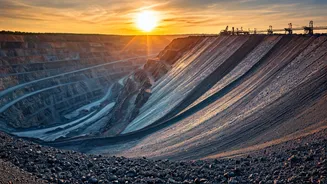
Balochistan, Pakistan's largest province, holds significant mineral wealth, including gold, copper, and natural gas. These resources, however, have not
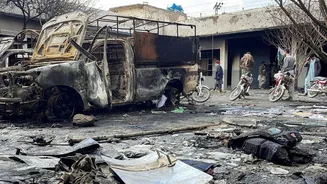
translated into widespread prosperity for the local population. Instead, the control and exploitation of these minerals are often seen as a primary driver of conflict and resentment. The local Baloch people feel that they have been marginalized and that the benefits of the resources are not shared equitably, leading to a long history of separatist movements. These movements, varying in intensity over time, are fueled by a desire for greater autonomy, control over resources, and self-determination. The complex interplay of mineral wealth, economic inequality, and political aspirations has created a volatile environment in the province, making it one of the most troubled regions in Pakistan.
Historical Context & Grievances
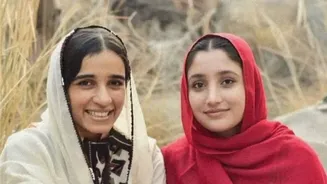
The history of Balochistan is crucial to understanding the current conflict. The region has never fully integrated into Pakistan, and a deep-seated sense of independence has persisted since the country's creation. Historical grievances include the annexation of Balochistan into Pakistan after its independence in 1947. Furthermore, the Baloch people have consistently raised issues of political marginalization, lack of representation, and the suppression of their cultural identity. The Pakistani government's approach to the Balochistan issue has been characterized by military operations and heavy-handed tactics, which have further fueled the separatist sentiments. These historical and ongoing grievances have fostered a strong sense of injustice and have played a significant role in sustaining the various independence movements active in the region. The desire for self-determination and the protection of their rights continue to be at the core of the Baloch struggle.
Separatist Movements Explained
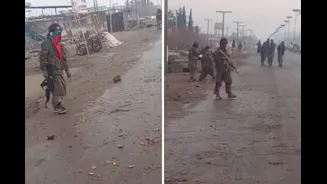
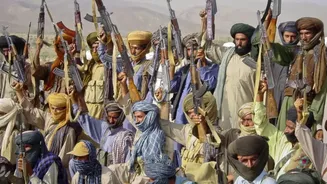
The separatist movements in Balochistan are diverse, with varying goals and strategies. Some groups advocate for complete independence, while others seek greater autonomy within Pakistan. The Balochistan Liberation Army (BLA), for example, is a prominent militant group that has been involved in armed insurgency, targeting both Pakistani security forces and infrastructure. The Baloch Liberation Front (BLF) also operates in the region, with similar objectives. These groups often accuse the Pakistani state of human rights abuses and the exploitation of Balochistan's resources. They believe the government is indifferent to the well-being of the Baloch people. The rise of these movements reflects the deep-seated anger and frustration among the Baloch population, and their actions are directly linked to the unresolved issues of political autonomy and resource control. The motivations and the methods they adopt range from armed insurgency to political activism. However, they share a common goal: self-determination for the Baloch people.
Impact of Mineral Wealth
Balochistan's mineral resources, while potentially a source of prosperity, have significantly exacerbated the conflict. The extraction of minerals, especially in areas with a strong separatist presence, has led to increased tensions. Local communities often feel they do not benefit from the revenue generated by these resources, and that their lands are being exploited without fair compensation or environmental protection. The presence of mining companies and security forces involved in protecting these operations has also led to accusations of human rights abuses and the displacement of local populations. This creates a vicious cycle. The Baloch people see mineral extraction as another form of exploitation, fueling resentment and resistance. This complex interplay underscores how the province's resources, instead of being a unifying factor, are at the core of the conflict, perpetuating the struggle for self-determination.
The Road Ahead: Challenges
Addressing the Balochistan issue requires tackling the root causes of the conflict, which include political marginalization, economic inequality, and human rights concerns. A dialogue between the Pakistani government and Baloch leaders is crucial to finding a lasting solution. This dialogue must address grievances related to resource control, political representation, and the protection of cultural identity. The government must also take steps to improve economic conditions in Balochistan, ensuring that the local population benefits from the region's resources. There is a need for investments in education, healthcare, and infrastructure development. The international community also has a role to play by advocating for human rights and promoting peaceful resolution of the conflict. However, until the underlying issues are resolved, the struggle for freedom in Balochistan will likely persist, posing a significant challenge to the stability of Pakistan.