







The Viral Desert Passage
In the wake of escalating regional conflicts, traditional air travel across the Middle East has faced unprecedented disruption, leading many to seek unconventional
routes. A Singaporean travel influencer's journey from Doha, Qatar, to Riyadh, Saudi Arabia, via an arduous desert drive has captured global attention. This overland expedition, documented in a viral video, highlights a growing trend among stranded passengers desperate to continue their journeys. The influencer shared his experience, noting the route was safe but significantly longer than anticipated, advising a travel time of 10 to 12 hours. Key practical advice included securing a Saudi eVisa in advance and preparing for potential delays at border crossings. This overland adventure serves as a stark illustration of the ripple effects of geopolitical instability on civilian travel, forcing individuals to rely on creative solutions and shared information to navigate the evolving landscape.
Navigating the Overland Route
The journey from Doha to Riyadh, as showcased by the viral video, utilizes a specific overland path beginning in Qatar's capital and heading towards the Abu Samra border crossing, the main land exit to Saudi Arabia. Upon crossing into Saudi territory near Salwa, travelers then embark on a lengthy drive across desert highways towards Riyadh. While under normal circumstances this trip might take approximately six to seven hours, the current climate of heightened security and increased border formalities can extend this duration to 10 hours or more. The influencer described the crossing as secure but time-consuming, emphasizing the importance of pre-arranged visa documentation and readiness for extended waits. This detailed account offers practical insights for others contemplating a similar route, underscoring the need for thorough preparation and patience when traversing this unconventional travel corridor.
Reshaping Regional Travel
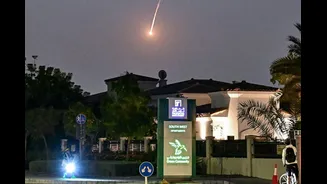
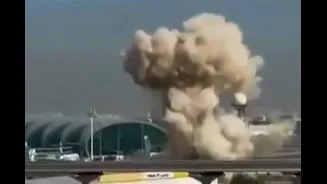
The emergence of overland routes like the Doha-to-Riyadh passage is a direct consequence of the ongoing Iran-US-Israel conflict, which has profoundly altered travel patterns throughout the Middle East. With numerous air corridors now closed and security advisories issued across several Gulf nations, travelers are compelled to reassess established travel methods. Many are rerouting through alternative aviation hubs or opting for land journeys to connect with operational international flight services. Industry experts anticipate that such adaptive travel strategies will persist as long as aviation networks remain unsettled by the conflict. For individuals like the travel influencer, the completion of this extended desert transit and the subsequent confirmation of a flight home provided immense relief, symbolizing the emotional toll of uncertainty and improvisation faced by countless travelers navigating the region's unpredictable travel environment.
A Wider Travel Phenomenon
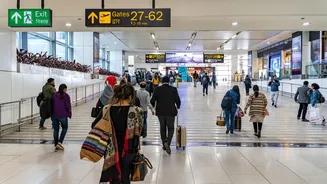
The viral popularity of this desert route underscores a broader issue: thousands of travelers finding themselves stranded across the Gulf due to the conflict's impact on air travel, leading to widespread airspace closures and flight suspensions. Major regional airlines have had to cancel or alter flight paths due to escalating security risks and tightened governmental aviation regulations. Key travel hubs such as Doha, Dubai, and Abu Dhabi have experienced significant disruptions, forcing passengers to explore alternatives, including overland travel through neighboring countries. A common strategy involves crossing into Saudi Arabia to catch flights from cities like Riyadh, where some international services are still functional. This collective improvisation in travel planning highlights the resilience and adaptability of individuals facing challenging circumstances, with journeys like the Doha-to-Riyadh route becoming emblematic of the current Middle East crisis.