




Ancient Mystics and Minds
In bygone eras, the minds behind chess champions delved into the esoteric and the unconventional to gain an edge. Legends tell of aides consuming glass,
a seemingly bizarre act meant to intimidate opponents. Beyond such theatrical displays, psychic mediums and parapsychologists were enlisted, with claims of influencing opponents' concentration and mental states. For instance, one notable account involves a psychic medium rushed to a player's side during a crucial match, allegedly disrupting the opponent's focus. Similarly, parapsychologists were brought in, sometimes specializing in sleep, though their effectiveness was often questionable. Viktor Korchnoi's preparation for a World Championship match famously included gurus from a spiritual sect, highlighting the era's willingness to explore any avenue, however unorthodox, in the intense pursuit of victory. This period underscores a time when belief in mental manipulation and supernatural influence played a role in the strategic landscape of chess preparation.
The Rise of the AI Analyst
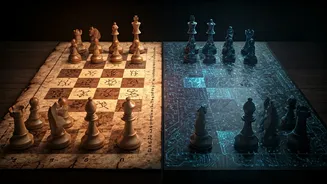
The modern era of chess preparation is heavily dominated by technological prowess, particularly the advent of supercomputers and sophisticated artificial intelligence. These powerful digital tools, such as Stockfish and AlphaZero, are capable of analyzing millions of chess positions at lightning speed, uncovering subtle strategic nuances and tactical possibilities that human analysis might overlook. Grandmasters leverage these engines extensively to dissect opening strategies, scrutinize their own game performances for errors, and gain deep insights into their opponents' preferred playing styles. This computational analysis provides an unparalleled level of objective assessment, allowing players to refine their understanding of complex positions and develop robust game plans. The sheer processing power available today means that preparation is no longer limited by human computational capacity, offering a significant advantage in the quest for championship titles.
The Essential Human Team
Despite the overwhelming influence of artificial intelligence, the human element remains an indispensable cornerstone of a grandmaster's preparation team. Top players are now supported by extensive networks of dedicated coaches and 'seconds' – fellow grandmasters who offer crucial assistance. These individuals are instrumental not only in the technical aspects of chess, such as analyzing games and developing opening repertoires, but also in providing vital psychological support and strategic guidance. They serve as trusted confidantes, possessing an intimate understanding of the player's unique strengths, weaknesses, and psychological makeup. Modern teams can comprise several seconds, each assigned specific responsibilities, such as specializing in particular phases of the game or acting as sparring partners to sharpen match readiness. This collaborative human effort ensures a holistic approach to preparation, addressing both the intellectual and emotional demands of elite competition.
Holistic Well-being for Peak Performance
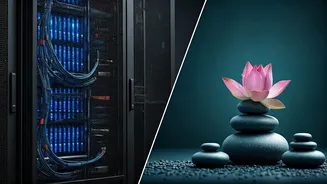
Contemporary chess training has expanded significantly beyond the confines of the chessboard, placing a strong emphasis on the physical and mental well-being of the players. Grandmasters increasingly integrate practices like yoga and meditation into their daily routines, recognizing their profound impact on focus, stress reduction, and mental clarity. These disciplines are vital for maintaining composure under immense pressure and making sound decisions during protracted and demanding matches. Furthermore, maintaining a high level of physical fitness is crucial for sustained concentration. Players engage in diverse forms of exercise, from cardiovascular activities to strength training, to enhance their stamina and endurance. Complementing this is the critical role of diet and nutrition, with many working closely with specialists to ensure their cognitive functions are optimized through a balanced and strategic dietary plan. This comprehensive approach acknowledges that peak performance is a product of a healthy mind and body.
Specialized Support and Investment
The commitment to elite chess preparation today involves significant investment and specialized support systems, often extending to a considerable financial outlay. For example, one prominent player, Bibisara Assaubayeva, assembled an 11-member team, including coaches for various game phases and sparring partners, indicating the depth of preparation required. Her personal coach alone commands a substantial fee, underscoring the premium placed on expert guidance. This extensive support structure reflects the understanding that winning at the highest level demands a multifaceted approach, encompassing not just chess-specific skills but also areas like physical conditioning and mental resilience. The financial commitment can be substantial, with teams potentially costing thousands of euros annually. This level of investment highlights the professionalization of chess training, where comprehensive support is viewed as essential for achieving championship aspirations.