


Akshay's Samosa Stance
During a recent appearance on the game show 'Wheel of Fortune,' celebrated actor Akshay Kumar revealed a rather astonishing personal dietary choice: he has
consciously avoided consuming samosas for the past fifteen years. When questioned about this unusual abstinence, Kumar clarified that his decision isn't driven by strict dieting or weight management goals, but rather by a distinct physical intolerance. He explained that consuming samosas leads to discomfort and acidity, suggesting his body simply doesn't react well to the popular snack. Intriguingly, he even pointed out that he had not eaten a single samosa while filming the famous song sequence 'Jab Tak Rahega Samose Mein Aaloo,' highlighting the deep-seated nature of his avoidance.
The Samosa's Profile
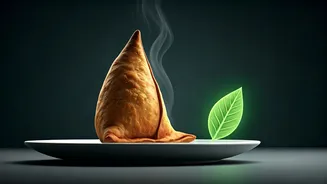
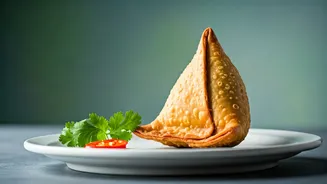
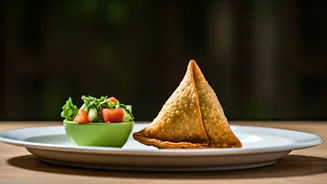
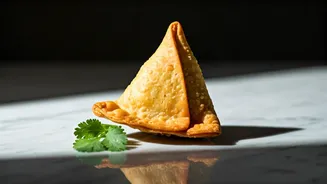
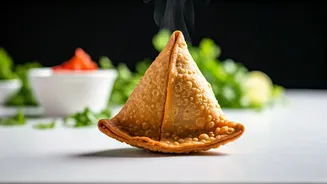
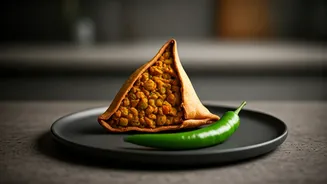
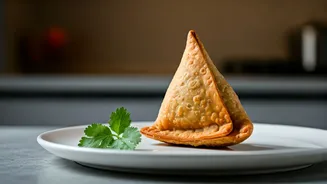
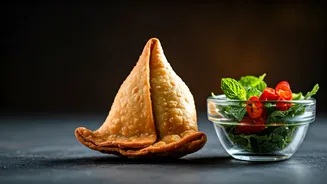
A quintessential street food enjoyed widely across northern and eastern India, the samosa is characterized by its distinctive triangular shape and crispy, deep-fried exterior, typically crafted from all-purpose flour. The heart of the samosa lies in its savory filling, most commonly a mixture of spiced, boiled potatoes, though variations incorporating peas and other ingredients are also prevalent. Traditionally served piping hot, these savory parcels are often accompanied by an array of chutneys, such as mint or tamarind, and commonly paired with tomato ketchup. Beyond its traditional preparation, the samosa's enduring popularity has spurred innovative fusion adaptations, extending its appeal to diverse palates and contributing to its global recognition as a beloved Indian treat.
Cardiologist's Caution
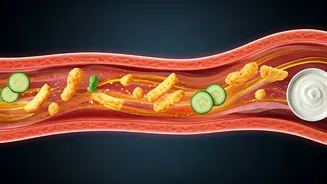
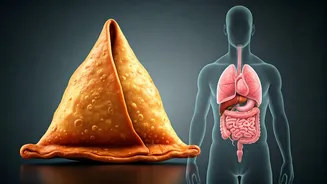
Dr. Parin Sangoi, a consultant interventional cardiologist at a Mumbai hospital, emphasizes the cumulative detrimental effects of regularly consuming fried and processed foods like samosas on cardiovascular health. He explains that each serving can contribute to the gradual buildup of cholesterol within arteries, trigger inflammation throughout the vascular system, and induce oxidative stress. Over time, this persistent insult can lead to the formation of arterial plaque, a condition that narrows blood vessels and impedes the flow of blood to the heart. Dr. Sangoi warns that what might seem like an innocent indulgence today could significantly increase the risk of developing heart disease in the future. He further elaborates that foods high in trans fats, refined carbohydrates, and excessive salt can stiffen blood vessel walls, elevate blood pressure, and disrupt the delicate balance between 'bad' (LDL) and 'good' (HDL) cholesterol.
Dietitian's Smart Swaps
Vedika Premani, a clinical dietician, acknowledges the unhealthy nature of traditional samosas but offers a hopeful perspective by suggesting that healthier preparation methods are achievable. She advocates for incorporating 'functional foods' such as ginger, cinnamon, and cardamom into the filling. These ingredients not only enhance the flavor profile but also offer potential health advantages, including immune system support and anti-inflammatory properties. Premani suggests that samosas can still be enjoyed if prepared using healthier cooking oils and alternative techniques like baking or air frying, which significantly reduce the amount of oil absorbed. For those who wish to avoid samosas entirely, she recommends a variety of nutritious snack alternatives. These include baked ragi chips served with hummus, the fermented lentil cake known as dhokla, roasted makhana (fox nuts), refreshing chana chaat (chickpea salad), and crispy khakara served with a hung curd dip. Additionally, air-fried vegetables are presented as a lighter substitute for deep-fried pakoras.