






Belief vs. Skepticism
The world remains largely divided on the validity of astrology, a phenomenon that continues to spark passionate discourse. On one side stand those who
find profound meaning and guidance within its celestial interpretations, often viewing it as a form of ancient wisdom passed down through generations. They might point to personal experiences or anecdotal evidence as proof of its efficacy in providing insights into personality, relationships, and future possibilities. Conversely, a significant portion of the population dismisses astrology outright, labeling it as pseudoscience and a form of wishful thinking. Skeptics often highlight the lack of empirical evidence, the vague nature of astrological predictions that can be applied to almost anyone, and the scientific inconsistencies that arise when attempting to correlate planetary movements with human affairs. This fundamental disagreement forms the bedrock of the ongoing debate, with each side holding firm to their perspective, making it difficult to bridge the gap between belief and disbelief. The conversation often revolves around the very definition of what constitutes knowledge and how we interpret the patterns we observe in the cosmos and in our lives.
Symbolic or Scientific?
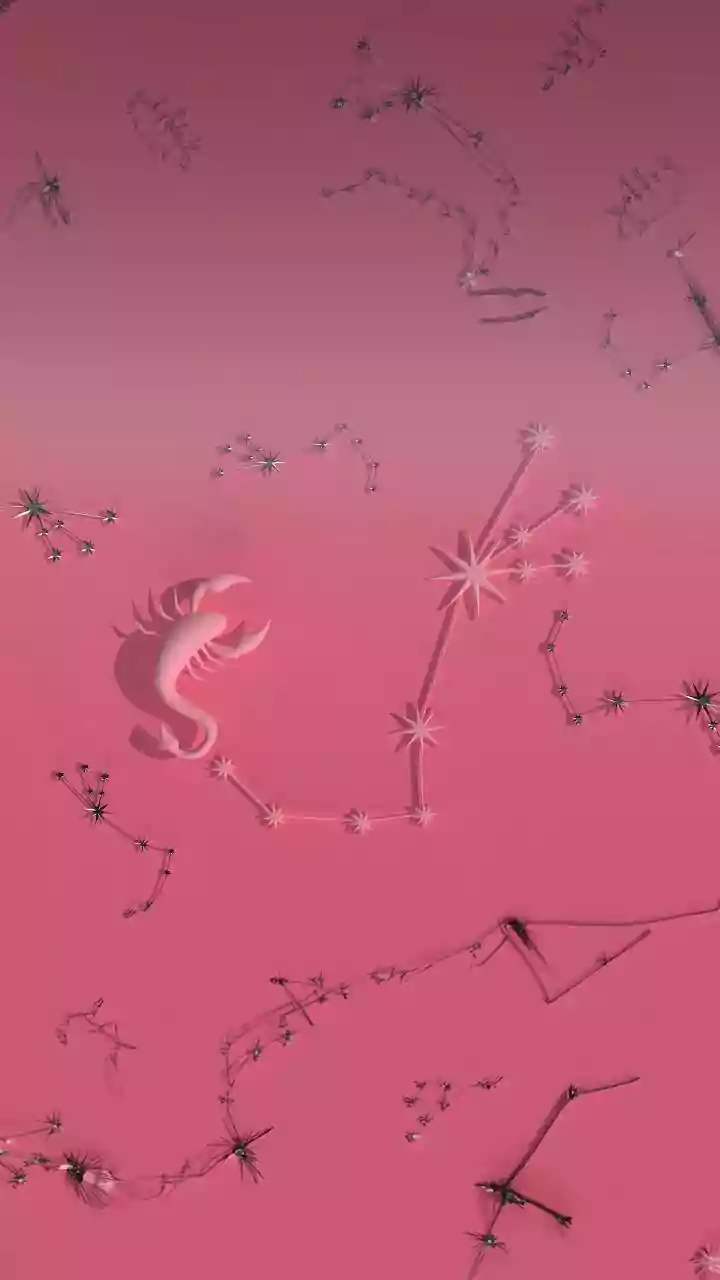
A central point of contention in the astrology debate is its classification: is it merely symbolic language, a repository of ancient knowledge, or a misunderstood scientific discipline? Proponents often argue that astrology functions as a symbolic system, offering archetypal narratives and a framework for understanding human experiences and cosmic influences, rather than a predictive science in the empirical sense. They see the celestial bodies and their arrangements as metaphors for psychological states and life events, providing a lens through which individuals can gain self-awareness and navigate their personal journeys. This perspective frames astrology as a tool for introspection and philosophical exploration, encouraging users to reflect on their own lives in relation to larger cosmic cycles. On the other hand, those who approach astrology with a scientific mindset struggle to find verifiable correlations or causal mechanisms that would support its claims within the established scientific paradigm. They question how distant celestial bodies could exert specific, predictable influences on individual lives in a manner that aligns with known physical forces. The discussion then moves to whether astrology's claims can ever be empirically tested and validated, or if its value lies purely in its interpretive and symbolic dimensions, making it inherently outside the realm of scientific inquiry.
Ancient Wisdom's Place
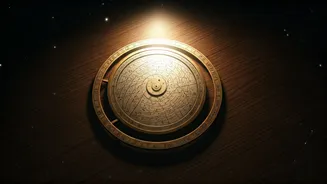
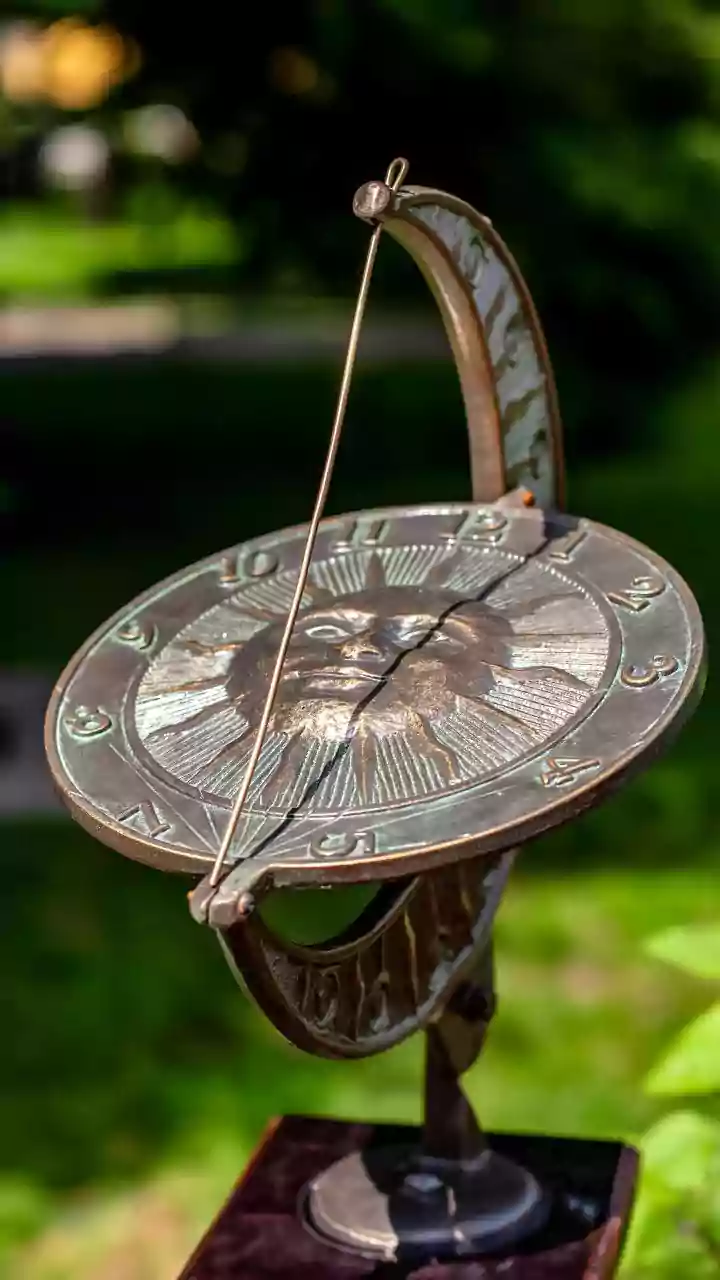
The longevity of astrology across various cultures and historical periods leads many to consider it a form of 'ancient wisdom.' This perspective suggests that its persistence is not accidental but rooted in genuine, albeit perhaps not fully understood, insights into the human condition and its connection to the universe. Advocates might argue that ancient civilizations, with their close observation of the celestial sphere and their different understanding of causality, developed astrological systems that offered a holistic worldview. They propose that these systems were integral to their societies, guiding decisions in agriculture, governance, and personal life. The idea of ancient wisdom implies that there are profound truths embedded within astrological traditions that modern science may have overlooked or dismissed too quickly. It prompts a reconsideration of what constitutes knowledge and whether empirical, reductionist methods are the only valid pathways to understanding reality. This viewpoint encourages an open-minded examination of astrological principles not just as historical artifacts, but as potentially valuable, albeit complex, frameworks for interpreting life's mysteries and fostering a sense of connection to something larger than oneself.