






Nick Jonas' Cold Preference
Celebrities often have unique routines, and Nick Jonas is no exception. He recently shared his preference for sleeping in a “freezing cold” room, a stark
contrast to his wife’s preference for warmth, typically set around 71-72 degrees Fahrenheit. Jonas revealed his personal sleep temperature to be around 62 degrees, a level he finds incredibly conducive to sleep. This anecdote highlights the vast individual differences in what constitutes a comfortable sleeping environment, sparking curiosity about the underlying physiological reasons for these preferences and the actual impact of ambient temperature on sleep quality for everyone.
Temperature's Sleep Connection
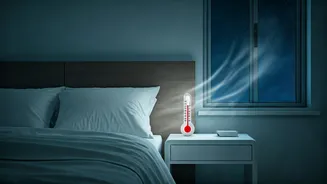
The temperature of your sleeping space plays a surprisingly significant role in your ability to fall asleep and stay asleep. As the body prepares for rest, it naturally lowers its core temperature. A cool room facilitates this biological process, acting as a catalyst for the body's internal thermostat to decrease, thus signaling that it's time to sleep. This temperature drop is closely linked to the release of melatonin, the hormone that regulates our sleep-wake cycles. A comfortable, cooler environment supports this natural cascade, making it easier to transition into sleep and promoting a more restorative rest throughout the night, unlike a warmer room which can inhibit these essential processes.
The Body's Thermoregulation
Our bodies possess an incredible built-in system called thermoregulation, which works tirelessly to maintain a stable internal temperature. When we feel too warm, a common strategy, even for those like Nick Jonas who tend to run hot, is to stick a foot out from under the covers. This simple act is remarkably effective because the soles of our feet are densely packed with blood vessels and have minimal hair, making them ideal for heat exchange. By exposing one foot, excess body heat can radiate outwards through these vessels, contributing to a subtle but important drop in core body temperature. This cooling sensation not only aids in falling asleep faster but also signals to the brain that it's time to relax and prepare for rest.
Cooling for Deeper Rest
The act of cooling the skin, particularly through methods like exposing the feet, can have profound effects on sleep quality. This minor skin cooling sends a positive, calming signal to the brain, reinforcing the body's natural circadian rhythm and encouraging the production of melatonin. Research in the field of sleep medicine consistently shows that even slight cooling of the skin can significantly accelerate sleep onset, meaning you'll fall asleep more quickly. Furthermore, it contributes to deeper, more uninterrupted sleep cycles. For individuals who experience discomfort from overheating or frequent night sweats, this natural, non-medicinal approach can be an excellent strategy to enhance their overall sleep hygiene and achieve more restful nights without resorting to artificial aids.