



Opposition's Diminishing Footprint
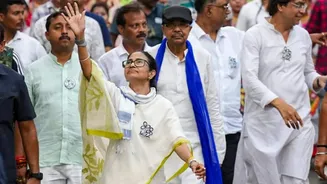
The outcomes of the 2026 assembly elections have starkly illustrated a waning presence for the INDIA alliance across key states, most notably in West Bengal
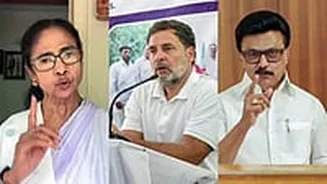
and Tamil Nadu. This electoral performance raises critical questions for the opposition coalition regarding its strategy moving forward, especially in anticipation of the next general election. The defeats experienced by significant allies like the DMK and TMC, who had previously presented strong resistance to the BJP in their respective strongholds, signal a substantial shift in the political landscape. This diminishing footprint necessitates a re-evaluation of the alliance's approach to counter a rival party that appears to be consistently expanding its reach. The results challenge the existing balance of power and compel the opposition to devise a more cohesive and effective strategy to regain traction.
Allies Reconsider Alliances
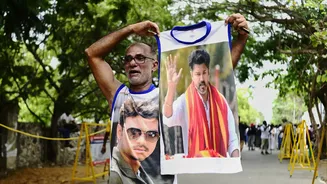
In the wake of electoral challenges in West Bengal and Tamil Nadu, the political dynamics within the INDIA bloc are prompting a reconsideration of existing alliances. The defeats experienced by prominent partners like the DMK and TMC could, paradoxically, push these parties to strengthen their ties with the broader alliance. This move would serve to solidify their political stance and potentially pave the way for future resurgence. Even as the Congress party experienced a divergence in its approach, with a notable shift towards TVK in Tamil Nadu, the overall outcome suggests a potential recalibration. The need for closer coordination is underscored by the fact that the TMC, often seen as an independent player, might find itself compelled to foster greater unity within the INDIA fold. These shifts are crucial for maintaining a united front against a formidable opposition.
Strategic Realignment Needed
The recent election results, particularly the setbacks in West Bengal and Tamil Nadu, highlight the urgent need for the INDIA bloc to adopt a more unified and strategic approach. The current paradigm, where individual parties chart their own course, has proven insufficient against a consistently implemented blueprint from their rivals. This blueprint often involves targeting opposition players by portraying them as 'anti-Hindu,' a tactic that has been observed across various regions, including Bihar, Assam, and West Bengal. For effective counter-strategy, especially in states like Uttar Pradesh where the Samajwadi Party and Congress operate, a more harmonious understanding and collaborative planning are essential. This goes beyond mere tactical adjustments; it requires a fundamental shift towards joint strategies that can effectively counter the prevailing political narrative and consolidate opposition support.
Congress's Evolving Role
The recent electoral outcomes in states like West Bengal and Tamil Nadu have introduced a new imperative for the Congress party within the opposition coalition. While historically there have been tensions between Congress and parties like the TMC, the former's defeats could indirectly bolster Congress's position. As the INDIA bloc faces a significant challenge in making up for the shortfall in states like West Bengal, the indispensability of Congress leadership may become more apparent. The party's ability to remain a viable force in states where it is the primary opposition to the BJP, particularly in the Hindi heartland, will be crucial. This role requires Congress to supplement the efforts of its alliance partners by demonstrating electoral strength and providing consistent leadership, thereby solidifying its standing as the potential leader of the opposition.