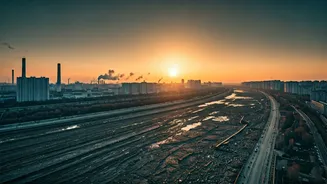







Delhi, India
Delhi, a bustling metropolis in India, is frequently cited as one of the most polluted cities globally. The air quality in Delhi is heavily influenced
by a combination of factors, including vehicular emissions, industrial activities, and seasonal influences like stubble burning in neighboring agricultural regions. High levels of particulate matter (PM2.5) and other pollutants pose significant health risks to the city's inhabitants. The concentration of pollutants often spikes during the winter months, leading to widespread respiratory ailments and exacerbating existing health conditions. The government has implemented various measures such as restrictions on vehicles, promoting electric vehicles, and tackling industrial emissions to address the crisis, yet the problem persists due to the complex interplay of geographical, infrastructural, and economic factors. The severity of pollution makes it an ongoing challenge, necessitating continuous monitoring and innovative mitigation strategies.
Dhaka, Bangladesh
Dhaka, the capital of Bangladesh, is another city severely impacted by air pollution, largely caused by industrial emissions, traffic congestion, and the burning of fossil fuels. The urban landscape of Dhaka, coupled with rapid urbanization, leads to higher concentration of pollutants. The air quality index often indicates unhealthy levels of particulate matter, nitrogen dioxide, and other hazardous substances. The health impact is considerable, with a rise in respiratory illnesses, cardiovascular diseases, and other pollution-related ailments among the population. Efforts to tackle pollution involve measures to control industrial discharges, promote public transport, and enforce stricter emission norms. However, the sheer density of the population and the growth of informal industries pose persistent obstacles. Consequently, the city's authorities are continuously exploring and adopting new strategies for sustainable development and improved environmental health.
Cairo, Egypt
Cairo, the vibrant capital of Egypt, contends with significant air pollution issues stemming from a mix of sources, including heavy traffic, industrial activities, and dust storms. Cairo's geographical location also plays a role, as the city is situated in a basin, which tends to trap pollutants. The air in Cairo is frequently laden with particulate matter and other noxious gases, increasing the risk of respiratory diseases and other health problems for residents. Although initiatives have been implemented to control emissions from vehicles and industries, the sheer scale of the challenges, especially in light of the rapid population growth, remains substantial. Further strategies are required to address the root causes of pollution and protect public health. This includes the development of sustainable infrastructure, the promotion of clean energy sources, and comprehensive urban planning focused on reducing environmental impact.
Beijing, China
Beijing, the capital of China, has been working aggressively to tackle severe air pollution after facing years of persistent environmental degradation. The primary sources of pollution in Beijing include coal burning for heating and power generation, as well as vehicular emissions and industrial activities. Recognizing the significant health and environmental impacts, the government has introduced stringent regulations, including closing polluting factories, promoting electric vehicles, and implementing extensive monitoring systems. The city has witnessed notable improvements in air quality over the past decade, yet the battle against pollution remains a high priority. Beijing's experience underscores the complexities involved in addressing air pollution in a rapidly growing metropolis. It shows the importance of long-term strategies, continuous adaptation, and a commitment to environmental sustainability.
Lahore, Pakistan
Lahore, a major city in Pakistan, is facing severe air pollution, largely attributable to vehicular emissions, industrial discharge, and seasonal factors like crop burning. The air quality index in Lahore often registers unhealthy levels of particulate matter and other contaminants, contributing to respiratory diseases and other health problems. The government has introduced measures such as restrictions on vehicle usage and industrial regulation. Despite these efforts, Lahore's pollution challenges persist. These continuing pollution problems highlight the need for a comprehensive strategy, embracing sustainable development practices and regional cooperation to address cross-border issues. The city requires persistent engagement with all stakeholders to improve environmental quality and public health outcomes.
Ulaanbaatar, Mongolia
Ulaanbaatar, the capital city of Mongolia, faces severe air pollution largely caused by domestic heating from coal-burning stoves and industrial activities. The city's geographical location in a valley exacerbates the problem, trapping pollutants and causing higher concentrations of harmful particles. The winter months are especially difficult, with residents exposed to hazardous levels of air pollution that lead to respiratory diseases and other health complications. The Mongolian government has taken steps to address pollution, including initiatives to replace coal stoves with more environmentally friendly alternatives. However, the issue remains a significant challenge due to the reliance on coal for heating and the rapid urban growth. Ulaanbaatar's experience highlights the importance of transitioning to cleaner energy sources and implementing measures to improve air quality to safeguard public health and promote sustainable development.
Kolkata, India
Kolkata, a prominent city in India, grapples with notable air pollution issues that largely stem from vehicular emissions, industrial activities, and waste management practices. The air quality in Kolkata is often characterized by high levels of particulate matter and other pollutants, posing serious health risks to the residents. This environmental challenge is further complicated by the city's dense population and congested traffic. In recent years, Kolkata has experienced increased efforts from the authorities to regulate emissions from vehicles, invest in public transport, and encourage sustainable urban planning. Despite these interventions, continued progress is hindered by the scale of the problem and the need for a collaborative approach. Comprehensive strategies that address the core causes of pollution and promote community involvement are essential to enhance Kolkata's air quality and safeguard the health of its citizens.
Jakarta, Indonesia
Jakarta, the capital of Indonesia, confronts significant challenges with air pollution, primarily driven by industrial activities, vehicular emissions, and rapid urbanization. The city's air quality often fails to meet acceptable standards, which leads to increased health risks for its population, including respiratory illnesses. Efforts to address pollution include initiatives to promote electric vehicles, enhance public transport, and manage industrial emissions. Nevertheless, the continuous growth of Jakarta and its urban complexities present ongoing struggles. These challenges have made it important to implement an integrated strategy focusing on clean energy sources, sustainable urban planning, and community involvement to improve Jakarta's air quality and create a healthier environment for its residents.
Lima, Peru
Lima, the capital of Peru, has to deal with air pollution that originates from several sources, including vehicle emissions, industrial activity, and the geographical layout of the city. Lima’s location, near the coast and enclosed by mountains, results in conditions where pollutants can build up. This situation is reflected in the air quality index, revealing high levels of particulate matter and other pollutants, which pose considerable health risks to the city's inhabitants. The authorities have launched initiatives to improve air quality, like the promotion of cleaner fuels and improved transport infrastructure. Yet, the city's expanding population and the limitations of its urban infrastructure continue to be significant challenges. Long-term strategies, emphasizing the implementation of sustainable practices and public awareness campaigns, are essential to effectively combat pollution and ensure a healthier living environment for all.
Mexico City, Mexico
Mexico City, a megacity, struggles with substantial air pollution, largely caused by vehicular emissions, industrial discharge, and regional weather patterns. The geographical setting, nestled in a valley, contributes to the accumulation of pollutants. The air quality in Mexico City often displays high levels of harmful substances, affecting the health of its citizens and leading to an increase in respiratory and cardiovascular diseases. The government has taken actions to curb pollution, including vehicle restrictions and industry regulations. Despite these endeavors, continuous progress is hindered by the city's size and diverse sources of pollutants. Comprehensive strategies, centered on green technologies, sustainable urban design, and community engagement, are critical to improving air quality and safeguarding the health of Mexico City's residents. Sustained efforts and a commitment to environmental stewardship are crucial to create a healthier urban environment.