
Idli: South Indian Staple
Idli, a beloved South Indian staple, stands out as a steamed breakfast option, celebrated for its fluffy texture and mild flavor. Its preparation involves
fermenting a batter made from rice and lentils, typically urad dal. The fermentation process is critical, as it not only imparts a distinctive tang but also enhances the bioavailability of nutrients. Steaming the batter in specially designed molds results in soft, airy idlis, often served with sambar (a lentil-based vegetable stew) and coconut chutney. This combination offers a balanced meal, providing carbohydrates, proteins, and essential vitamins, making it a healthy and satisfying choice for breakfast. The simplicity of idli makes it a versatile dish, easily adapted to various dietary needs and preferences. Whether enjoyed plain or with a side of your favorite chutney, idli remains a go-to breakfast for many.
Dhokla: Gujarati Delight
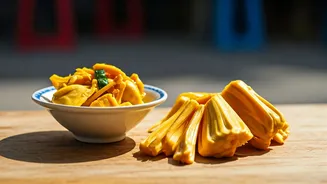
Originating from Gujarat, Dhokla is a steamed snack that has transcended regional boundaries to become a favorite across India. This savory treat is made from a fermented batter of gram flour (besan), often with the addition of spices like ginger, chilies, and turmeric. The fermentation process gives dhokla a characteristic airy texture and a slightly tangy taste. After steaming, the dhokla is typically tempered with mustard seeds, curry leaves, and sometimes, a hint of asafoetida, enhancing its flavor profile. Dhokla is not only delicious but also relatively light, making it a suitable choice for breakfast. It can be enjoyed on its own or accompanied by a chutney, offering a delightful combination of textures and tastes. Its ease of preparation and versatility have made it a popular breakfast option across India, enjoyed by both the young and old.
Khaman: Another Gujarati!
Khaman, another Gujarati breakfast staple, shares similarities with dhokla but has distinct variations in its preparation and texture. Like dhokla, it's made from a fermented batter, primarily gram flour (besan). However, the specific ingredients and the steaming process may differ, resulting in a fluffier and more porous texture. Khaman often incorporates a blend of spices for a flavorful profile. After steaming, it’s usually tempered with mustard seeds, curry leaves, and sometimes green chilies, further enhancing its flavor. The tempering process adds a delightful crunch and aroma. Khaman is typically served with chutney and is a lighter alternative to heavier breakfast options. It's a quick and easy breakfast choice, popular for its savory taste and soft texture. Its popularity extends beyond Gujarat, enjoyed by many as a tasty and relatively healthy morning meal.
Uttapam: South Indian Pancake
Uttapam, often described as a thick pancake, is another delicious South Indian steamed breakfast. Made with a batter similar to that of idli and dosa, consisting of fermented rice and lentil batter, uttapam distinguishes itself through its toppings. The batter is poured onto a hot griddle, and toppings such as chopped vegetables (onions, tomatoes, chilies), herbs, or spices are added before steaming. This creates a visually appealing and flavorful dish. The fermentation of the batter adds a slightly tangy taste, complementing the toppings beautifully. Uttapam offers a convenient way to incorporate vegetables into your breakfast. Served with sambar and chutney, it provides a balanced and satisfying meal. The customization options make uttapam a versatile breakfast choice, allowing you to tailor it to your personal preferences and dietary needs.
Puttu: Kerala's Delight
Puttu, a traditional breakfast from Kerala, is a steamed cylindrical dish made from rice flour and grated coconut. The rice flour is layered with grated coconut in a special cylindrical mold, and the combination is then steamed until cooked. The result is a soft, slightly sweet, and flavorful dish. Puttu is typically served with kadala curry (black chickpea curry) or with ripe bananas and grated coconut. The contrast between the soft puttu and the savory curry, or the sweet bananas, is delightful. Puttu is not only delicious but also relatively easy to prepare, making it a popular choice for breakfast in Kerala households. It’s a nutritious option, offering carbohydrates from the rice flour and fiber and healthy fats from the coconut. Puttu provides a satisfying and culturally rich breakfast experience.
Modak: Maharashtrian Treat
Modak, a sweet steamed dumpling, is especially popular in Maharashtra, particularly during the festival of Ganesh Chaturthi. The outer layer is made from rice flour, and the filling typically consists of grated coconut and jaggery. These ingredients are cooked together until they form a sweet, flavorful mixture. The filling is enclosed within the rice flour shell, and the modaks are then steamed. This method results in a soft, delicate treat with a satisfyingly sweet filling. Modaks are often offered as a prasad (religious offering) and are a symbol of good fortune. Though often associated with festivals, they can also be enjoyed as a breakfast treat. Their sweetness and unique texture provide a delightful contrast to savory breakfast dishes, making them a welcome addition to a breakfast spread. Modaks are a testament to the diverse flavors and traditions of Maharashtrian cuisine.
Vada: Savory Fried Donut
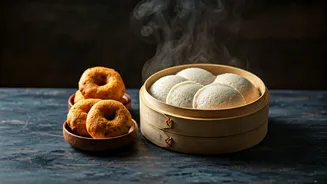
Vada, though often fried, can also be steamed, offering a healthier breakfast alternative. These savory doughnuts are typically made from urad dal (black lentils), ground into a batter, and seasoned with spices. They are traditionally deep-fried until golden brown, but steaming provides a similar texture without the excess oil. Steamed vada retains its soft, fluffy interior and a slightly crisp exterior. These are generally served with sambar and coconut chutney. Steaming vadas makes them a lighter and less greasy breakfast option while maintaining the same delicious taste. This method is a great choice for those seeking a healthier version of this popular South Indian breakfast item. Steamed vada offers a satisfying and flavorful start to the day, perfect for those who enjoy a savory and textured breakfast.
Momos: Himalayan Influence
Momos, steamed dumplings with origins in the Himalayas, have become a popular breakfast choice across India, particularly in the northern and northeastern regions. These dumplings can be filled with various ingredients, including vegetables, meat (chicken, pork), and cheese. The filling is encased in a thin dough and then steamed, creating a juicy, flavorful package. The steaming process ensures that the momos cook evenly, retaining their moisture and flavor. They are typically served with a spicy chutney or dipping sauce. Momos offer a hearty and satisfying breakfast, providing both protein and carbohydrates. Their versatility in fillings makes them adaptable to various tastes and preferences. The growing popularity of momos reflects the diverse culinary influences that have shaped Indian breakfast habits, offering a delicious and convenient meal option.
Bati Chokha: Regional Fusion
Bati Chokha is a popular breakfast option, especially in parts of Bihar and Uttar Pradesh, showcasing a harmonious blend of flavors and textures. Bati, hard wheat balls, are traditionally baked over a fire or in a tandoor. Chokha is a mashed preparation, often made with roasted vegetables like eggplant (baingan), tomatoes, and potatoes, mashed and mixed with spices and herbs. The combination provides a satisfying and balanced breakfast. The hard, baked bati is often broken and dipped in ghee or served with chokha and other accompaniments, creating a delicious mix of textures and flavors. Bati Chokha is a fulfilling meal, providing carbohydrates, protein, and essential nutrients. It's a breakfast that highlights the rich culinary heritage of the region. The preparation methods can also be adapted, with some variations including steaming the bati for a slightly different texture.
Poha: Flattened Rice Delight
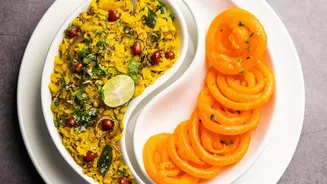
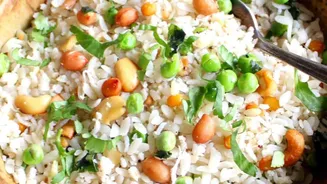
Poha, a breakfast staple in Maharashtra and other parts of India, is made from flattened rice, soaked and then cooked with onions, potatoes, and spices. The flattened rice absorbs the flavors, resulting in a soft and flavorful dish. While traditionally stir-fried, poha can be steamed to create a lighter, less oily version. Steaming helps to retain the moisture and texture of the poha while infusing it with the flavors of the spices and vegetables. This provides a flavorful and easily digestible meal. Poha is often garnished with coriander leaves, sev (crispy noodles), and a squeeze of lemon juice, adding freshness and a tangy note. It’s a versatile breakfast option, simple to prepare and adaptable to various preferences. Poha is a quick, healthy, and satisfying way to start your day, beloved for its light and flavorful qualities.