






Tragic Incident Unfolds
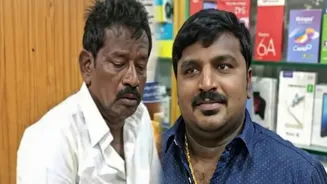
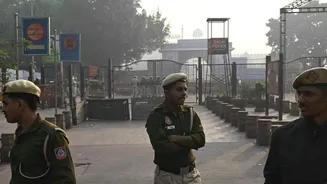
In June 2020, during the COVID-19 lockdown, trader P Jayaraj was apprehended by police in Sattankulam, Tamil Nadu, for allegedly violating lockdown regulations.
His son, Benicks, was subsequently taken into custody when he attempted to inquire about his father's well-being. What began as a lockdown violation led to a horrific ordeal. Investigators later revealed that the father and son endured hours of brutal torture within the Sattankulam police station. Their detention and subsequent deaths sent shockwaves across Tamil Nadu, raising critical questions about police conduct and the prevalence of custodial violence. This incident quickly transcended a local crime, becoming a crucial test case for police accountability in the state.
Brutal Assault and Evidence Tampering
The investigation into the deaths of Jayaraj and Benicks uncovered a disturbing pattern of abuse and attempted cover-up. According to the CBI's chargesheet, Jayaraj was taken into custody as part of a criminal conspiracy, despite not actually violating lockdown rules. When Benicks intervened to protest his father's beating, both were wrongfully confined and subjected to severe assault throughout the night. The stated intention by the perpetrators was to 'teach them a lesson on how to behave with the police.' In a chilling revelation, the CBI stated that the father and son were forced to clean their own bloodstains. The following morning, a sanitation worker was allegedly made to clean the station floor to destroy evidence. Investigators also found that a false case was subsequently registered against them, and a 'fit for remand' certificate was obtained despite their critical injuries. Their bloodied clothes were reportedly discarded in a hospital dustbin, further obscuring the extent of the violence.
Court Proceedings and Verdict
The legal battle for justice in the Jayaraj and Benicks case was protracted. Nearly six years after the brutal incident, on March 23, the First Additional District and Sessions Court in Madurai delivered its verdict. Judge G Muthukumaran found all nine police personnel accused in the double murder guilty. These included then-inspector S Sridhar, sub-inspectors K Balakrishnan and P Raghu Ganesh, head constables S Murugan and A Samadurai, and constables M Muthuraja, S Chelladurai, X Thomas Francis, and S Vailmuthu. The court sentenced all nine convicted policemen to death, a severe penalty reflecting the gravity of their actions. The 10th accused, special sub-inspector Paldurai, had previously passed away due to COVID-19 in August 2020 before the sentencing could take place.
Widespread Protests and Legal Intervention
The shocking deaths of Jayaraj and Benicks ignited widespread protests across Tamil Nadu and beyond. Traders shut down their businesses, and human rights organizations vehemently condemned the police brutality, sparking a national conversation about the systemic nature of such violence. The Madurai Bench of the Madras High Court took suo motu cognizance of the matter on June 24, 2020. Expressing reservations about the local police's impartiality, the court directed the CB-CID to investigate until the CBI officially took over. A judicial magistrate who inspected the Sattankulam police station reported non-cooperation from the staff and an attempt to create an intimidating environment, with critical documents delayed and CCTV footage of the incident inexplicably unavailable. However, a crucial turning point came when a woman head constable, S Revathy, testified that the father and son had indeed been tortured throughout the night.
Trial Delays and Accountability
The High Court found sufficient prima facie evidence to warrant murder charges and initiated contempt proceedings against police personnel who obstructed the judicial inquiry. The court later stressed the importance of timely justice, cautioning that 'justice delayed is justice denied.' Despite initial directives for the trial to be completed within six months, it faced significant delays, with repeated extensions granted due to vacancies and procedural constraints. By 2025, the High Court was informed that key witnesses, including the judicial magistrate and the investigating officer, had undergone extensive cross-examination. The defense's strategy appeared to focus on prolonging the proceedings. An attempt by the inspector, Sridhar, to turn approver was opposed by the CBI and the victims' family and was ultimately dismissed by the court, paving the way for the final verdict.