




Tyres and Brakes Check
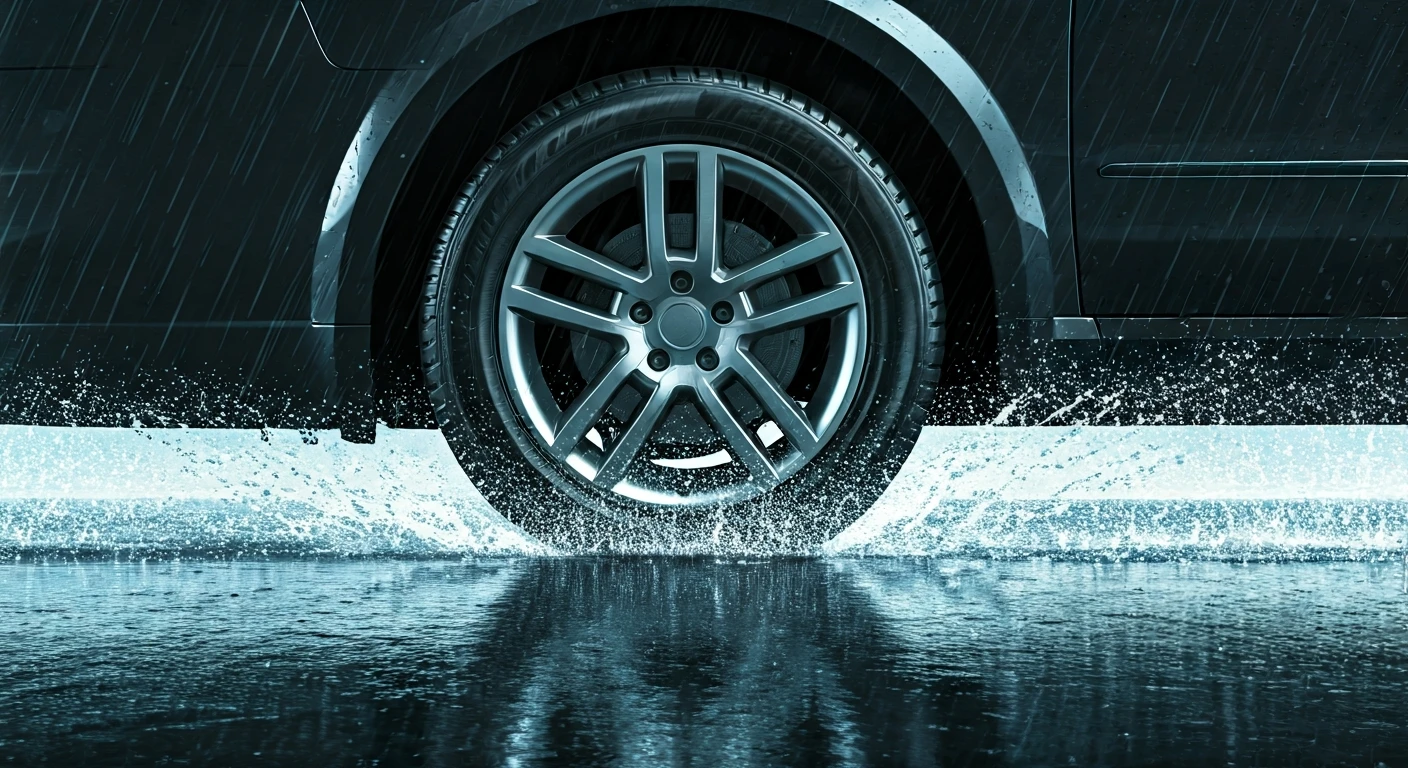
Before embarking on any road trip, especially during the monsoon season, a thorough inspection of your car's tyres and brakes is paramount. The monsoon introduces
slick conditions where tire grip is essential to prevent dangerous skids on wet asphalt. Ensuring your tyres have adequate tread depth will allow them to effectively channel water away, maintaining contact with the road. Equally important are the brakes; they need to be in perfect working order to provide reliable stopping power. A sudden need to brake due to unforeseen traffic or a slippery patch can be disastrous if your brakes are compromised. Regular checks and maintenance of both these critical components significantly enhance your safety margin when driving in rain.
Strategic Headlight Use
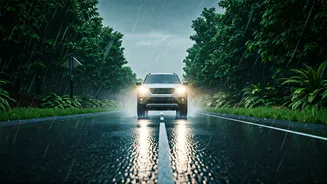
Visibility is often severely compromised during rainy weather due to heavy clouds, spray from other vehicles, and reduced natural light. To combat this, it's crucial to always use your headlights, even during daylight hours. This simple act makes your vehicle significantly more visible to other road users, be they motorcyclists, cyclists, or other cars. By ensuring your headlights are on, you significantly improve overall road safety, reducing the likelihood of collisions caused by poor visibility. It’s a proactive measure that alerts others to your presence, allowing them to adjust their driving accordingly and fostering a safer environment for all on the road.
Moderate Your Speed
Driving at a reduced speed is one of the most critical precautions to take when navigating roads during rainfall. The physics of driving change drastically on wet surfaces; tyres have less traction, and the braking distance increases substantially. Accelerating too quickly or braking abruptly on a slippery road can easily lead to a loss of control, potentially resulting in a spin or skid. Adopting a slow, steady pace allows you more time to react to changing road conditions, anticipate hazards, and make smooth, controlled maneuvers. This mindful approach to speed directly translates to a safer and more secure driving experience throughout your journey.
Ample Following Distance
When the roads are wet, the space needed to bring your vehicle to a complete stop extends considerably. Therefore, maintaining a greater distance between your car and the vehicle in front is not just a recommendation, but a necessity. This increased buffer zone provides you with the crucial extra time and space required to react if the car ahead brakes suddenly or encounters an obstacle. It mitigates the risk of a rear-end collision, which is far more common in adverse weather conditions. By giving yourself ample room, you create a safer environment for yourself and other drivers on the road.
Circumvent Flooded Roads
Driving through waterlogged or flooded roads during periods of heavy rain poses significant risks to both your vehicle and your safety. Submerged roads can conceal dangerous potholes, debris, or uneven surfaces that could damage your car's suspension or tires. Furthermore, deep water can infiltrate your car's engine and electrical systems, leading to costly repairs and potential breakdown. It's far wiser to avoid these hazardous stretches entirely. Seek alternative routes or wait for the water levels to recede to ensure the integrity of your vehicle and to prevent becoming stranded in a dangerous situation.
Wipers and Defogger Vital
Ensuring your windshield wipers and defogger are in optimal working condition is a fundamental step before setting off on a rainy-day drive. Effective windshield wipers are essential for clearing rain and spray from your view, allowing you to see the road clearly and navigate safely. Simultaneously, the defogger plays a crucial role in preventing the windshield from fogging up due to the temperature difference between the inside and outside of the car. Clear visibility is non-negotiable during monsoon drives, and these two features are your primary tools for maintaining it, ensuring you can react promptly to any road hazards.
Emergency Kit Essentials
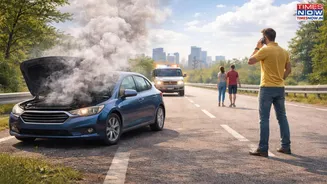
While embarking on your car journey during the Indian monsoon, it is prudent to pack a comprehensive emergency kit. This collection of items should include essentials such as a reliable flashlight for illumination in low-light conditions or during breakdowns, a well-stocked first-aid kit to manage minor injuries, a phone charger to keep your communication devices powered, and basic tools for minor vehicle repairs. Don't forget to include a supply of drinking water. These provisions are invaluable should you encounter unexpected problems, a flat tire, or any other roadside issue, ensuring you are better prepared to handle unforeseen circumstances and continue your journey safely.