





Intentional Family Haven
Shaan's Mumbai triplex is more than just a residence; it's a testament to intentional design, prioritizing comfort and creativity. The home immediately
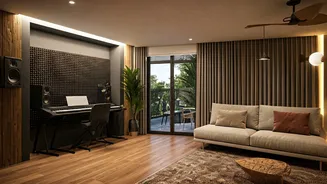
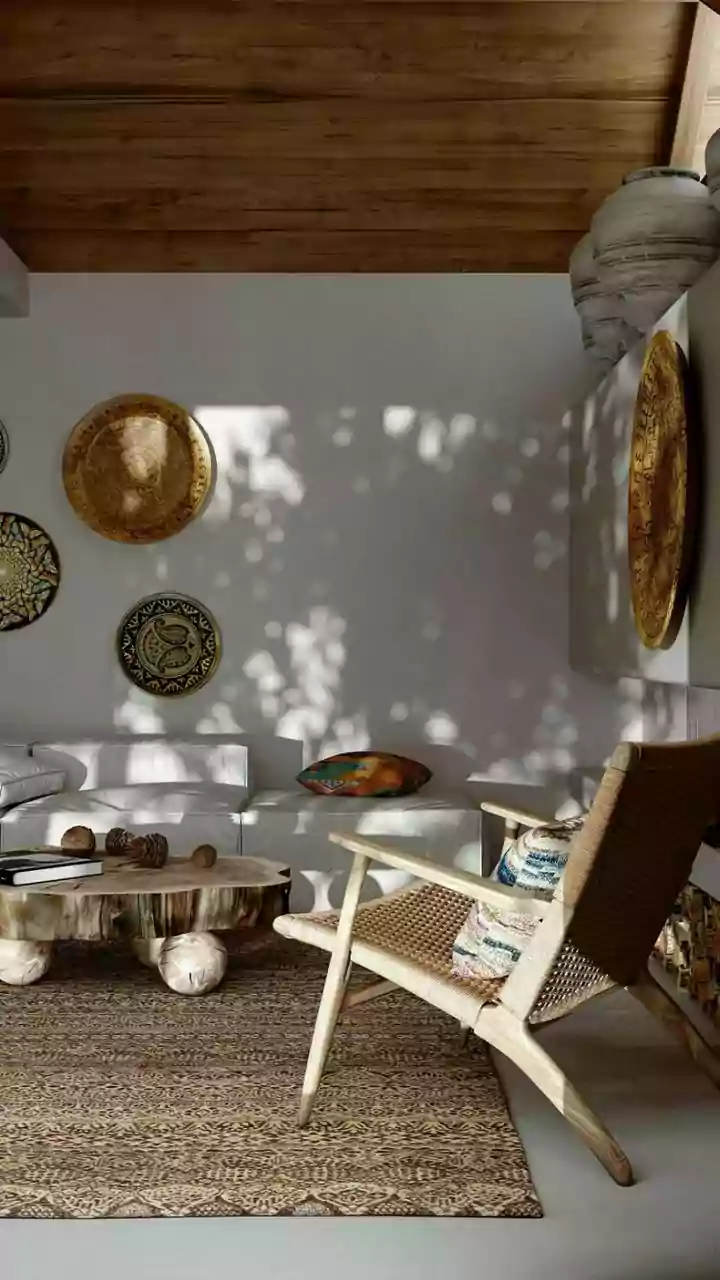
strikes a balance between its function as a creative hub for Shaan and a warm, inviting space for his family. During a tour with Farah Khan, the interior design revealed a thoughtful integration of earthy tones and varied textures, creating an atmosphere that feels genuinely lived-in and cherished rather than purely for show. The core philosophy of the home is captured by a displayed quote: "Family makes this house a home." This sentiment is evident in the layout, featuring cozy nooks for intimate conversations and an open dining area designed to foster togetherness. The triplex structure itself is strategically utilized, with Shaan explaining how different levels serve distinct purposes, including a dedicated studio on a separate floor, catering to various emotional and functional needs of the household. The overall impression is of a space that breathes with the rhythm of family life.
Radhika's Creative Touch
The distinct personality of Shaan's home is largely attributed to the interior design vision of his wife, Radhika Mukherjee. Farah Khan openly acknowledges Radhika's significant contribution, praising her "stunning job" in shaping the aesthetic. A key aspect of the home's charm is its embrace of evolution over static perfection, a sentiment echoed by their son's observation: "Very complicated. Because mom is always changing something in the house." This points to a dynamic living space that continually adapts and transforms over time, reflecting the family's growth and changing needs. This approach ensures the home remains fresh and engaging, a canvas for ongoing creativity and personal expression. The integration of Shaan's professional studio, alongside casual areas that blur the lines between work and leisure, further exemplifies how creativity is woven into the fabric of their daily existence, creating an organic blend of personal and professional life.
Psychology of Warm Design
The emphasis on warmth, earthy hues, and communal family areas in homes like Shaan's offers significant psychological benefits, according to Sonal Khangarot, a licensed rehabilitation counselor. She explains that colors inspired by nature, such as browns, beiges, and muted greens, are perceived by the brain as familiar and non-threatening. This sensory familiarity helps regulate the nervous system, reducing baseline stress and fostering a sense of safety at both sensory and emotional levels. Shared spaces are equally crucial; when families naturally congregate in common areas, it cultivates increased opportunities for connection through everyday interactions. These predictable gatherings reinforce a sense of belonging and predictability, fundamental to emotional security. Additionally, warm lighting and softer textures minimize sensory overstimulation, aiding relaxation. Khangarot notes that such environments condition the mind to associate home with calm and restoration, moving away from tension and withdrawal. Ultimately, thoughtful interior design profoundly influences how safe and supported an individual feels within their living space.
Embracing Change
From a psychological standpoint, a constantly evolving home environment can be a double-edged sword, offering stimulation while potentially causing instability, depending heavily on the frequency and intention behind the changes, as well as an individual's need for predictability. Moderate, purposeful modifications, like updating decor or rearranging furniture, can enhance mental stimulation, boost creativity, and instill a sense of renewal. The novelty introduced by such changes can activate the brain's reward system, leading to improved mood and a break from monotony. However, if changes become too frequent or lack a consistent thread, they can disrupt a person's innate sense of stability. Humans rely on environmental cues to feel grounded, and a perpetually shifting space can subtly signal unpredictability, potentially leading to restlessness or even mild anxiety, particularly for those highly sensitive to change. Khangarot emphasizes the importance of balance: maintaining a stable 'emotional anchor' through familiar elements like cherished corners or personal objects, while still allowing for periodic updates. This approach ensures the home remains both engaging and reassuring, providing psychological comfort without sacrificing stimulating variety.