





A Day of Transition
Makar Sankranti's essence lies in its connection with the sun's movement. It marks the day when the sun enters the zodiac sign of Capricorn, signaling
the shift from winter to spring. This celestial event is crucial, as it signifies the sun's northward journey, known as Uttarayan. This change is not just astronomical; it has profound implications in Indian traditions. The festival's timing generally falls on January 14th, though the date may vary slightly. The festival's timing makes the day auspicious. Makar Sankranti is not just a one-day affair; the preparations begin much in advance. Homes are cleaned and decorated, and special foods are prepared, highlighting the spirit of renewal and celebration. The festival's arrival brings communities together.
Worshipping the Sun
In Hindu tradition, Makar Sankranti is dedicated to the sun god, Surya. The festival is a thanksgiving to the sun for the beginning of a new harvest season and for the good health and prosperity. People express their gratitude through various rituals. Many communities begin the day with a holy dip in the sacred rivers like the Ganges or Yamuna. This act is believed to purify the soul and wash away sins. Following the bath, prayers are offered to the sun god, and offerings are made. The significance is to seek blessings for a prosperous year ahead. The rituals showcase the deep spiritual connection to nature and a celebration of life's blessings. The reverence for the sun god and the rituals observed reflect the deep-rooted beliefs that are part of the festival.
Culinary Delights
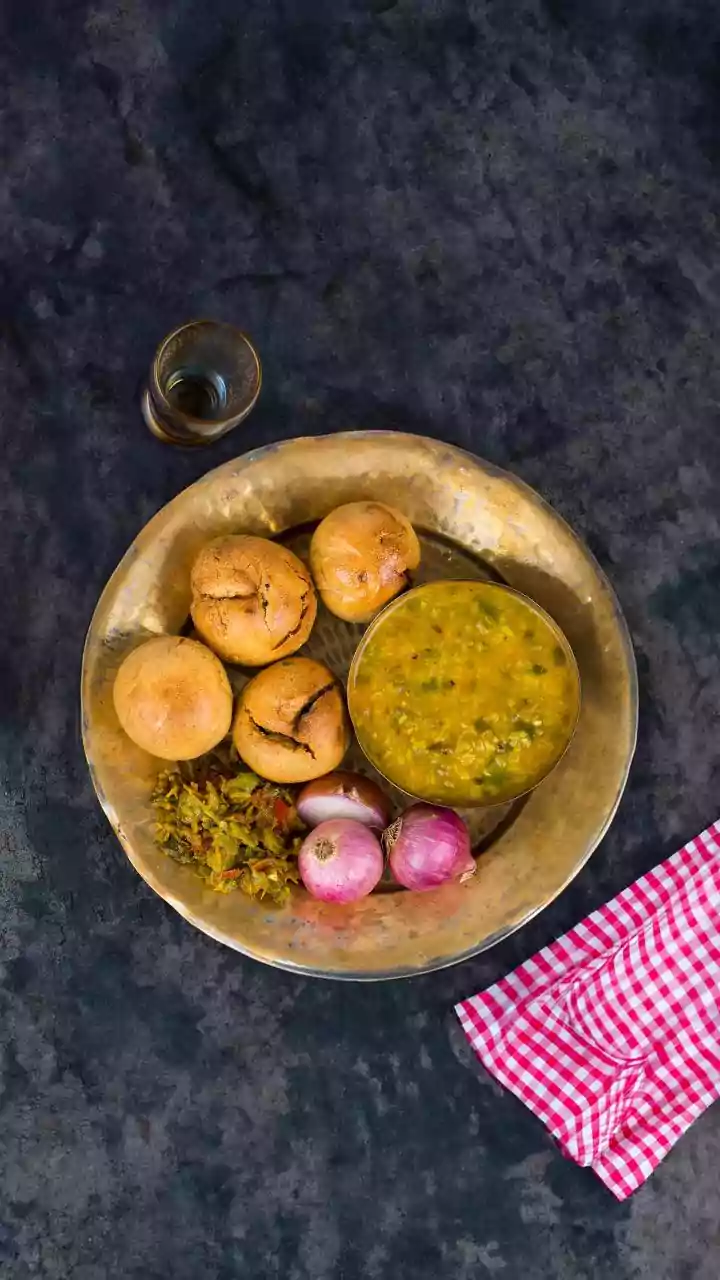
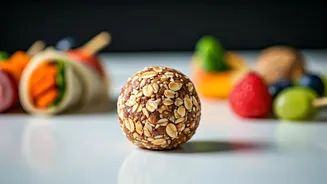
Makar Sankranti is a culinary extravaganza, with diverse dishes prepared across India. Each region has its unique specialties, but the common thread is the use of sesame seeds (til) and jaggery (gur), symbolizing warmth and sweetness. In Maharashtra, the exchange of 'til-gul' laddoos is a key tradition, symbolizing goodwill and friendship. In Gujarat, the focus is on undhiyu, a mixed vegetable dish cooked in an earthen pot. Punjab celebrates with 'makki di roti' and 'sarson da saag,' traditional winter delicacies. In Bengal, the day is marked by making various types of pithe, a variety of sweet rice cakes and savouries. Each dish holds a special meaning, representing the cultural diversity of India. The focus on specific ingredients like sesame and jaggery highlights the significance of the season and the harvest.
Regional Celebrations
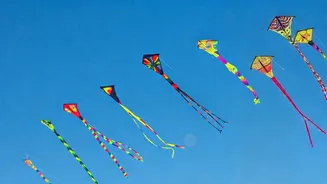
The beauty of Makar Sankranti lies in its diverse celebrations across India. In Tamil Nadu, it is celebrated as Pongal, a four-day festival dedicated to the harvest. The boiling over of rice in a pot symbolizes prosperity and abundance. In North India, kite flying is a major part of the festivities, especially in Gujarat and Rajasthan. People of all ages gather to fly colorful kites. The celebrations reflect the unity in diversity and the cultural richness of India. The local customs and traditions bring communities together, making Makar Sankranti a joyful occasion. From ritual baths to kite flying and the preparation of special dishes, each region showcases its unique way of celebrating the festival.