




Altitude's Diabetes Puzzle
For a considerable time, scientists have noticed a compelling correlation: populations residing in elevated regions, such as the Andes and the Himalayas,
generally exhibit a lower prevalence of diabetes. This observation has been consistent across diverse high-altitude communities, yet the underlying biological mechanisms responsible for this protective effect have remained elusive. The prevailing theories often centered on lifestyle differences or genetic adaptations, but a recent scientific breakthrough is pointing towards a more direct physiological response to the environment. This new research suggests that the body's adjustments to living in environments with less oxygen, a condition known as hypoxia, might be the key to understanding why diabetes is less common at these altitudes, offering a novel perspective beyond traditional explanations.
Hypoxia and Glucose Uptake
When the human body encounters low-oxygen conditions, such as those found at high altitudes, it initiates a series of adaptive responses to maintain essential functions. Recent experimental findings, particularly those involving animal models, indicate that one significant adaptation may directly influence how the body handles blood sugar. Researchers have discovered that in an oxygen-deficient atmosphere, red blood cells exhibit an unusual behavior: instead of using glucose as an energy source, they absorb excess glucose from the bloodstream. This absorbed glucose is then converted into a specific compound that aids in the efficient distribution of oxygen to tissues throughout the body. This suggests a dual role for red blood cells, not only in oxygen transport but also in glucose regulation under hypoxic stress, a finding that could fundamentally change our understanding of diabetes management.
Experimental Evidence Unveiled
To rigorously test these hypotheses, scientists conducted a series of controlled experiments using mice. One group of mice was deliberately exposed to an environment with only 8% oxygen, mimicking the atmospheric conditions at high altitudes. Concurrently, a control group was kept in a standard environment with 21% oxygen. After several weeks, both groups were administered glucose injections to observe their metabolic responses. The results were striking: the mice from the low-oxygen environment demonstrated significantly suppressed glucose spikes following the injection, indicating a much more rapid processing of the sugar. Intriguingly, this enhanced glucose processing capacity persisted even after the mice were returned to normal oxygen levels, suggesting a lasting metabolic alteration induced by the hypoxic exposure.
Red Blood Cells in Focus
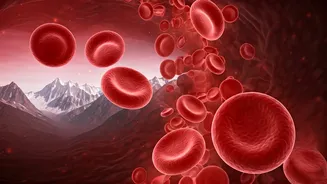
Further in-depth analysis of the experimental data revealed that the observed reduction in blood glucose levels could not be solely attributed to the uptake of glucose by major organs like the liver and muscles. This discrepancy led the researchers to suspect that other blood components might be playing a crucial role. Subsequent experiments specifically focused on red blood cells, confirming their involvement. When red blood cell counts were reduced in the oxygen-deprived mice, the blood sugar-lowering effect diminished. Conversely, increasing the concentration of red blood cells in mice under normal oxygen conditions led to a reduction in their blood sugar levels. These findings strongly implicate red blood cells as key players in managing glucose metabolism, particularly in response to reduced oxygen availability.
Mechanism of Glucose Management
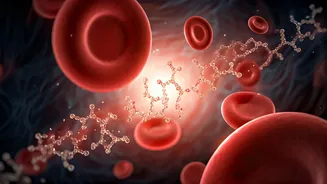
Delving deeper into the cellular mechanisms, researchers found that red blood cells exposed to low-oxygen environments absorbed approximately three times more glucose than those in normal conditions. This heightened absorption is facilitated by an increased presence of a protein called GLUT1 on the surface of these cells, which acts as a key transporter for glucose entry. Once inside the red blood cell, the absorbed glucose is transformed into a compound that readily binds with hemoglobin, the oxygen-carrying molecule. This binding process aids in releasing oxygen from hemoglobin, a vital function in hypoxic conditions. Essentially, red blood cells are leveraging glucose to enhance oxygen delivery, a clever metabolic adaptation that simultaneously helps regulate blood sugar levels by actively removing glucose from circulation.
Therapeutic Avenues Explored
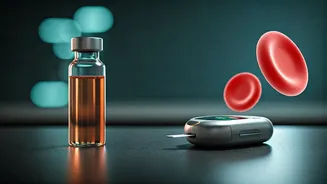
The insights gained from this research hold significant promise for developing novel therapeutic strategies for diabetes management. Scientists are exploring ways to mimic the effects of low-oxygen environments within the body to achieve similar glucose-lowering benefits. One such avenue involves experimental drugs like HypoxyStat, which are designed to replicate hypoxic conditions through their interaction with hemoglobin and oxygen. While these approaches are still in their nascent stages and require extensive further investigation before human trials can commence, they represent a paradigm shift in thinking about diabetes. This research suggests that effective diabetes treatment might extend beyond solely focusing on insulin regulation to also encompass manipulating the way red blood cells manage oxygen and glucose, opening up entirely new frontiers in metabolic disease intervention.