



Sunny Spot Essentials
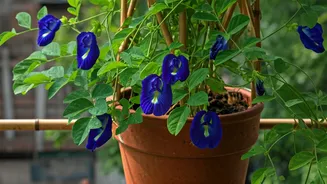
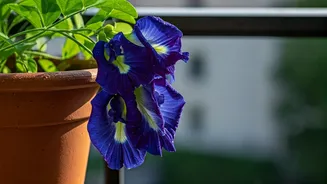
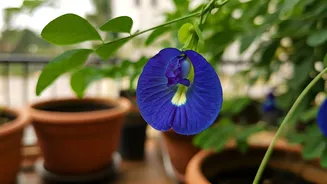
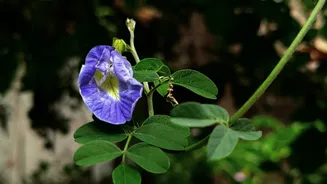
To ensure your Aparajita vine thrives and produces abundant, lovely blue flowers, it requires a location that receives ample direct sunlight daily. This
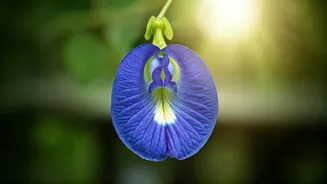
climbing plant, often known as butterfly pea, absolutely adores full sun exposure. For optimal flowering performance on a balcony, position its pot where it can soak up strong morning or afternoon sun for a significant portion of the day. Avoid placing it in overly shaded areas, as insufficient light can hinder its blooming potential and overall vitality. Consistent, bright light is the key to unlocking the plant's full, beautiful display.
Potting and Drainage
Since Aparajita is a vining plant, it needs adequate root space to grow comfortably and a container that allows excess water to escape freely. A pot with a depth of approximately 8 to 12 inches and a width of 12 to 14 inches serves as a practical starting point for this plant. Crucially, ensure that your chosen pot is equipped with drainage holes. Stagnant water can lead to root rot, severely impacting the plant's health and drastically reducing its ability to produce flowers. Proper drainage is non-negotiable for cultivating a happy and productive Aparajita.
Soil Mix Magic
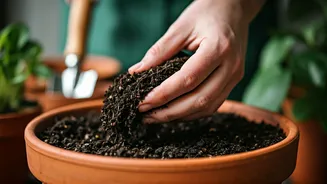
The ideal soil for Aparajita is one that is both well-draining and nutrient-rich. This plant prefers soil that is dry to slightly moist, and while it benefits from consistent watering, it absolutely cannot tolerate waterlogged conditions. To create the perfect potting mix for your balcony garden, use a light, airy potting blend. Incorporating compost into this mix will provide essential nutrients to nourish the plant while ensuring the soil remains permeable, preventing moisture buildup and promoting healthy root development.
Seed Preparation
Growing Aparajita from seed is generally straightforward, but a little preparation can significantly enhance germination rates. Before planting, it's highly recommended to soak the seeds in water for several hours, or even overnight. This soaking process helps to soften the tough outer seed coat, making it easier for the seedling to emerge. For an even quicker start, you can gently nick the seed coat with a fingernail file or a small piece of sandpaper before soaking, further accelerating the germination process.
Sowing Seeds Correctly
When you're ready to sow your prepared Aparajita seeds, plant them about one inch deep into your well-prepared potting mix. Ensure there's adequate spacing between seeds to prevent the young vines from becoming overcrowded as they grow. After sowing, maintain a lightly moist soil condition until you observe germination. Aparajita seeds sprout best in warm environments, so you'll likely see the most success when planting during warmer seasons on your balcony.
Mindful Watering Practices
Aparajita plants have a preference for moisture, particularly when they are in their early stages of growth. However, it's vital to avoid overwatering, as the plant detests having its roots sit in saturated soil. Water consistently, directing the water towards the soil surface rather than drenching the leaves, which can invite fungal diseases. A good guideline is to water only when the top inch of soil begins to feel dry to the touch, rather than adhering to a rigid daily watering schedule.
Providing Climbing Support
As a natural climber, Aparajita requires a structure to twine around as it grows. A modest trellis, the railing of your balcony, a simple wire frame, or even the balcony grill can serve as excellent support systems. Without adequate support, the vine tends to sprawl, resulting in a less tidy appearance. By providing a climbing aid, you encourage the plant to grow more vertically and neatly, enhancing its aesthetic appeal within your balcony garden space.
Pruning for Blooms
Regularly trimming your Aparajita plant is essential for maintaining a compact and bushy form, preventing it from becoming leggy and weak. Furthermore, the practice of 'deadheading' – removing spent flowers – signals the plant to produce more blooms rather than investing its energy into developing seeds. If the vine starts to grow excessively long, lightly pruning the growing tips will stimulate new side shoots, leading to a fuller, more floriferous plant. This simple maintenance, combined with proper light, water, and support, ensures a constant display of beautiful blue flowers.