







Persistent Low Energy
One of the most easily overlooked indicators of a vitamin D shortfall is a persistent feeling of exhaustion that sleep doesn't seem to alleviate. While
it's common to blame a demanding lifestyle or insufficient rest for feeling tired, a constant lack of energy, even after getting a full night's sleep, could signal a deeper issue. This type of fatigue is different from the temporary tiredness you might feel after a long day; it's a more pervasive weariness that doesn't dissipate easily. Recognizing this ongoing lack of vitality as a potential symptom is a crucial first step in identifying a deficiency that impacts your overall well-being and daily functioning.
Unexplained Muscle Weakness
Experiencing unexplained muscle weakness, particularly in your thighs or lower back, can be another subtle hint of vitamin D deficiency. This might manifest as a feeling of heaviness or a noticeable decrease in strength in these areas without any discernible cause, such as intense physical activity or an injury. It's often dismissed as a natural part of aging or a consequence of not exercising enough. However, vitamin D plays a vital role in maintaining proper muscle function, and its absence can lead to this diminished strength and a general feeling of being less capable physically. This symptom can significantly impact everyday movements and tasks, making them feel more challenging than they should.
Body Aches and Bone Pain
A less obvious, yet significant, sign of low vitamin D is experiencing generalised body aches, stiffness, or a dull ache in the bones. These discomforts are frequently misattributed to poor posture, minor strains from daily activities, or simply a tough workout. Vitamin D is absolutely essential for the body's ability to absorb calcium, a mineral critical for maintaining strong bones. When vitamin D levels are insufficient, this vital absorption process is compromised, leading to a range of vague musculoskeletal pains. These aches can be pervasive and are often ignored because they don't pinpoint to a specific injury, making them difficult to diagnose without considering nutritional factors.
Hair Fall and Low Mood
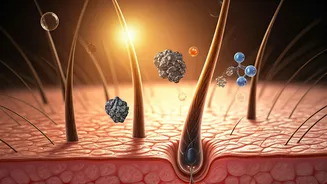
While not always the primary focus, an increase in hair fall and subtle shifts in mood can also serve as indicators of a vitamin D deficiency. You might notice more hair than usual in your brush or shower drain, or experience feelings of irritability, a lack of motivation, or mild symptoms of depression. These emotional and physical changes are often quickly blamed on external stressors like work pressure or personal issues. However, it's important to consider that deficiencies in essential nutrients, including vitamin D, can significantly impact mental and physical health, contributing to these less apparent symptoms. Addressing the underlying nutritional imbalance can sometimes alleviate these mood-related and physical changes.
Frequent Infections and Slower Recovery
A compromised immune system, leading to more frequent illnesses and a prolonged recovery period, is a notable red flag for vitamin D deficiency. If you find yourself catching colds more often, or if it takes you longer than usual to bounce back from an illness, it could be linked to inadequate vitamin D levels. This essential nutrient plays a significant role in supporting the body's immune defenses. When vitamin D is insufficient, the immune system's ability to effectively fight off pathogens and repair itself can be impaired, making you more susceptible to infections and slowing down your overall recovery process.