



Physics of Lunar Silence
During NASA's Artemis II mission, a peculiar 40-minute period of radio silence occurred when the Orion spacecraft passed behind the Moon. This wasn't an
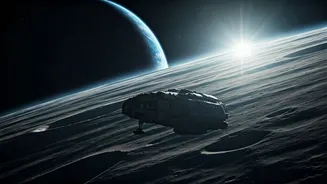
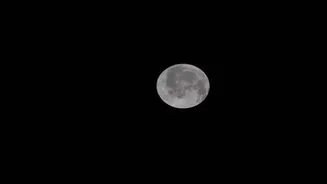
anomaly but a predictable consequence of celestial mechanics and the nature of radio waves. Because both radio and laser signals travel in straight lines, the Moon's dense, rocky mass physically obstructs the path between Orion and Earth. Consequently, vital communication links, including those managed by the Deep Space Network, are temporarily severed. This phenomenon, referred to as a 'period of loss,' is a known limitation of our current communication technologies and has been a characteristic of lunar missions since the Apollo era, demonstrating that while exciting, this phase is entirely anticipated and not indicative of any mission failure or emergency. It's a direct result of the geometry of space and the immovability of celestial bodies.
Autonomous Operations Unfold
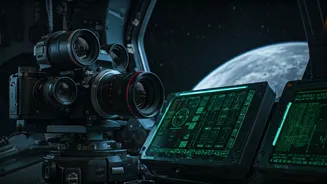
While Earth experiences a temporary silence, the Artemis II mission continues its vital operations seamlessly behind the Moon. Inside the Orion capsule, all systems function autonomously, guided by pre-programmed commands from the spacecraft's sophisticated computers. This period is marked by several significant mission milestones, including the astronauts reaching their closest proximity to the Moon and venturing farther from Earth than any humans before them. Furthermore, the crew actively engages in crucial scientific endeavors, such as capturing imagery of the lunar far side and closely monitoring ongoing experiments within the capsule. Beyond the technical duties, this period offers a unique human experience. Astronaut Victor Glover described this quiet interlude as an 'opportunity' for reflection, emphasizing the profound sense of isolation and introspection that comes with being out of contact in deep space.
Symbol of Exploration's Future
The temporary loss of communication during the Artemis II mission serves as a poignant reminder of both the formidable challenges and the ambitious spirit driving deep space exploration. As NASA sets its sights on establishing a lasting presence on the Moon and preparing for eventual Mars missions, the imperative for robust and uninterrupted communication becomes increasingly critical. Space operations officials emphasize that effective communication is no longer a convenience but an absolute necessity for the success of future endeavors. Innovations such as deploying relay satellites or developing entirely new communication infrastructures are being considered to circumvent these communication gaps. For now, this 40-minute blackout stands as a symbolic hurdle overcome, representing both the progress humanity has made in venturing into the cosmos and the enduring mysteries that await discovery. During this unique period, the Artemis II astronauts become the most remote and self-reliant individuals in history, carrying the hopes and dreams of Earth with them into the void.