






A Resilient Bloom
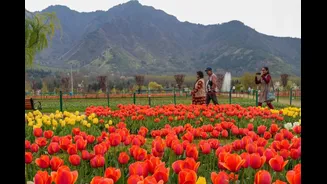
Asia's largest Tulip Garden in Kashmir has become a symbol of resilience, playing a crucial role in the revival of tourist footfall in the valley. In the spring
season of 2026, the garden welcomed an impressive 3.5 lakh visitors within a mere 30 days. This remarkable turnout represents a significant recovery for the region's tourism industry, especially considering the severe impact of the Pahalgam terror attack on April 22, 2025. Prior to this incident, the garden had already seen a substantial 8,55,000 visitors, local, domestic, and international, setting a high benchmark. The aftermath of the attack led to a drastic drop in overall tourist arrivals to 9.16 lakh in 2025, a stark contrast to the 26 lakh visitors in 2024. The successful reopening and overwhelming response to the 2026 tulip season underscore the region's determination to overcome adversity and re-establish its appeal as a premier tourist destination.
Enhanced Safety, Renewed Confidence
To rebuild visitor confidence and ensure a secure travel experience, authorities implemented robust new safety measures for the 2026 season. These initiatives proved highly effective, as tourists reported feeling safe and secure throughout their visit. Many visitors expressed that their preconceived notions about Kashmir were completely dispelled by their actual experiences. Beyond lauding the natural beauty, tourists consistently praised the pervasive sense of safety and the cooperative nature of the local population. They highlighted the visible presence of CRPF soldiers providing guidance and ensuring security, even during late hours. The comprehensive security arrangements, including thorough reviews and increased personnel deployment, reassured visitors, encouraging them to explore the valley without fear and to plan future return trips. This enhanced security framework was instrumental in fostering a positive environment for the revival of tourism.
A Spectacle of Color and Culture
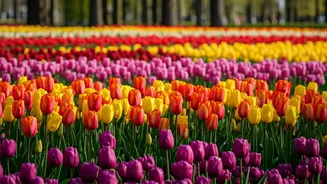
The 2026 tulip show captivated visitors with an astonishing display of 18 lakh tulips, representing over 70 distinct varieties. Complementing this floral extravaganza were approximately 100,000 other bulbous flowers, including daffodils, hyacinths, and narcissus, creating a breathtaking panorama. To further enhance the visitor experience, new attractions were introduced, such as designated 'selfie points' that allowed guests to capture memorable moments amidst the stunning blooms. Additionally, cultural zones were established to showcase exquisite local handicrafts, offering tourists a glimpse into Kashmir's rich artisanal heritage. This multifaceted approach, coupled with an extensive publicity campaign by the Jammu and Kashmir authorities, aimed to invigorate the tourism industry and attract a wider audience, successfully boosting economic activity and reinforcing Kashmir's reputation as a vibrant tourist hub.
Positive Outlook for Tourism
The success of the 2026 Tulip Garden season is being hailed as a significant positive development by tourism stakeholders and the Jammu and Kashmir government, marking a crucial step towards restoring the valley's tourism economy. During the peak bloom period, hotel occupancy in Kashmir reportedly reached an impressive nearly 70%, indicating a strong resurgence in demand. Although the total number of visitors in 2026 may not have reached the record highs of previous years, partly due to geopolitical tensions affecting international travel, the Tulip Show has undoubtedly injected much-needed momentum into the current tourism season. This encouraging start has fostered optimism for higher tourist arrivals throughout 2026. Furthermore, to better accommodate the anticipated influx of visitors, several new and unique tourist destinations have been curated and added to the region's offerings, promising even more diverse exploration opportunities for travelers.