







Jim Corbett's Legacy
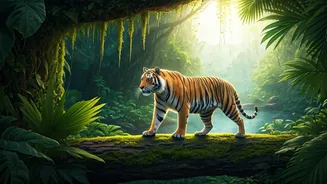
Nestled in Uttarakhand, Jim Corbett National Park stands as India's oldest national park, established in 1936. It is a haven for the majestic Bengal tiger,
with a significant population residing within its dense forests and grasslands. The park's diverse topography, encompassing hills, riverine belts, and grasslands, supports a rich tapestry of wildlife, including leopards, elephants, and a plethora of bird species. The Ramganga River flows through the park, adding to its scenic beauty and providing a vital water source for its inhabitants. Corbett is not just a sanctuary for tigers but a crucial conservation area that plays a pivotal role in protecting India's natural heritage and promoting eco-tourism.
Ranthambore's Tigers
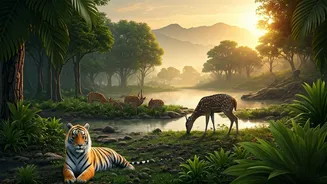
Located in Rajasthan, Ranthambore National Park is renowned for its thriving tiger population and historical significance, with the 10th-century Ranthambore Fort overlooking the landscape. The park offers unparalleled opportunities for tiger sightings, making it a prime destination for wildlife photographers and enthusiasts. Its arid deciduous forests, dotted with ancient banyan trees and shimmering lakes, create a dramatic backdrop for the wildlife. Beyond tigers, Ranthambore is home to leopards, sloth bears, wild boars, and diverse avian life. The park's robust conservation efforts have been instrumental in preserving the tiger population and its habitat, making it a symbol of successful wildlife management in India.
Kanha's Grasslands
Madhya Pradesh's Kanha National Park is a sprawling expanse of sal and bamboo forests, meadows, and ravines, celebrated for its significant tiger population and as a stronghold for the endangered Barasingha (swamp deer). The park's unique landscape, characterized by its vast open grasslands known as 'maidans,' provides ideal grazing grounds for herbivores and ample hunting opportunities for predators. Kanha's conservation model, which emphasizes community involvement and habitat restoration, has been widely acclaimed. Visitors are often mesmerized by the sight of tigers, leopards, wild dogs, and various deer species roaming freely in this picturesque wilderness.
Bandhavgarh's Roar
Also in Madhya Pradesh, Bandhavgarh National Park boasts one of the highest densities of Bengal tigers in the world. This park is a dramatic landscape of steep rocky hills, dense forests, and open meadows, dominated by the ancient Bandhavgarh Fort. The topographical diversity offers excellent viewing points for wildlife. Besides tigers, the park is rich in biodiversity, housing leopards, sambar, chital, and an impressive array of birdlife. The consistent success in tiger sightings makes Bandhavgarh a top-tier destination for those seeking an up-close encounter with these magnificent predators in their natural habitat.
Periyar's Elephants
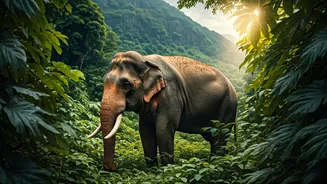
Located in the lush Western Ghats of Kerala, Periyar National Park and Wildlife Sanctuary is famed for its elephant population and its serene Periyar Lake, formed by the Mullaperiyar Dam. Visitors can enjoy boat safaris on the lake, offering unique opportunities to observe herds of elephants coming to drink and bathe, alongside other wildlife such as sambar, wild boars, and diverse bird species. The park's dense evergreen and moist deciduous forests are also home to tigers, though sightings are rarer. Periyar's commitment to protecting its fragile ecosystem and its charismatic megafauna, particularly elephants, makes it a standout conservation area.
Kaziranga's Rhinos
Assam's Kaziranga National Park is a UNESCO World Heritage Site, globally recognized for protecting the endangered one-horned rhinoceros. This park features vast grasslands, dense tropical moist broadleaf forests, and marshy areas, making it an ideal habitat for its iconic residents. Kaziranga is home to two-thirds of the world's rhinoceros population, but it also supports significant populations of tigers, wild water buffalo, and swamp deer. The park's commitment to anti-poaching efforts and habitat management has been crucial in safeguarding these magnificent creatures and maintaining the ecological balance of the Brahmaputra river valley.
Gir's Lions
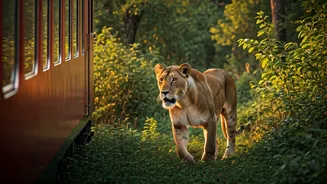
Situated in Gujarat, Gir National Park is the sole home of the Asiatic lion, a subspecies critically endangered and found nowhere else on Earth. This rugged terrain of dry deciduous forests, thorny scrub, and rocky hills provides a unique ecosystem for these majestic predators. The park's conservation success story for the Asiatic lion is remarkable, having brought them back from the brink of extinction. Besides lions, Gir is also home to leopards, sambar, chital, wild boars, and a variety of bird species. The park's management focuses on preserving the lion's habitat and ensuring the species' long-term survival.