



Your Chilli Journey Starts
Embarking on the adventure of growing your own chillies offers a unique sense of accomplishment, even if your cultivation space is limited to a balcony
or a sunny windowsill. Chillies stand out as exceptionally easy and rewarding plants to nurture indoors. You don't need an expansive garden, specialized gardening equipment, or even a seasoned green thumb. With just a suitable pot and diligent, fundamental care, a single chilli plant can continuously provide you with a fresh supply of peppers for an extended period. The inherent adaptability of chilli plants makes them particularly attractive for home growers. They flourish in containers, respond positively to attentive care, and thrive in warmer climates. For those new to horticulture or preferring to start on a smaller scale, cultivating chillies presents an ideal entry point into the rewarding world of plant cultivation. The initial step involves deciding whether to start from seeds, potentially saved from dried chillies you already have, or to purchase a young plant from a reputable nursery. For novices, opting for a small, established plant is often the most straightforward approach, as it simplifies handling and promotes quicker acclimatization to its new environment.
The Perfect Pot & Soil
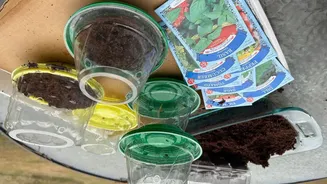
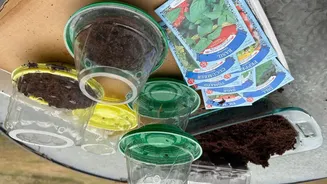
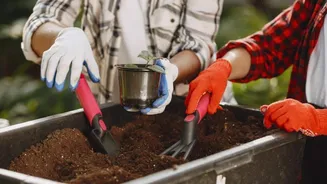
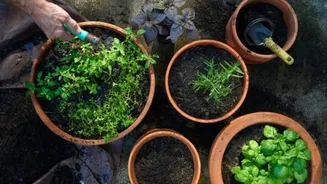
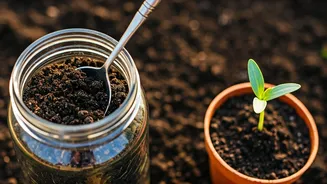
Ensuring your chilli plant's health begins with its foundational environment. Chilli plants have a strong aversion to waterlogged conditions, meaning a pot equipped with adequate drainage holes is absolutely critical to prevent excess water from pooling and potentially damaging the roots. For optimal root development, containers with a depth of approximately 8 to 10 inches are highly recommended, providing ample space for the root system to spread and establish itself. Complementing the right pot is the soil mixture. The quality of your soil plays a pivotal role in a plant's growth trajectory. An ideal blend typically comprises garden soil, rich compost, and cocopeat. This carefully balanced mix serves a dual purpose: it effectively retains essential moisture while simultaneously facilitating crucial air circulation within the soil, both of which are indispensable for vigorous plant growth and development.
Seeding, Sunlight & Water
When planting chilli seeds, ensure they are placed just beneath the soil's surface, at a shallow depth. If you're sowing multiple seeds within the same pot, it's vital to provide sufficient spacing between them. This prevents overcrowding, allowing each seedling to access the necessary nutrients and light without competition, fostering healthier individual growth. Chilli plants are sun-worshippers, requiring a minimum of five to six hours of direct sunlight daily to flourish and produce bountiful fruits. Insufficient light can lead to a weaker plant and a diminished harvest. Watering should be approached with careful consideration, maintaining a consistent yet moderate level. The soil should be kept moist, never saturated. Regularly check the topsoil; when it feels dry to the touch, it's time to water. Overwatering can be detrimental to the roots, while excessive dryness will stunt the plant's progress.
Feeding, Support & Vigilance
As your chilli plant matures and begins to develop, its nutritional needs increase significantly to support the formation of flowers and fruits. Regular feeding is paramount, which can be achieved by incorporating compost or an organic fertilizer into the soil every few weeks. This consistent nutrient supply ensures the plant remains robust and productive. During its growth phase, especially as fruits begin to form and add weight, the plant may require structural support. Employing a small stake or stick can prevent the stem from bending or breaking, safeguarding the plant's integrity. Equally important is proactive pest management. Regularly inspecting the plant's leaves for early signs of infestation, such as aphids or mites, is a wise practice. Early detection allows for the swift implementation of readily available, simple solutions to protect your plant from potential damage.
Harvesting Your Bounty
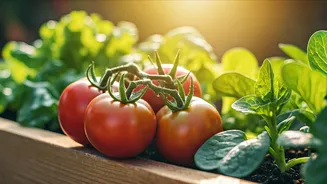
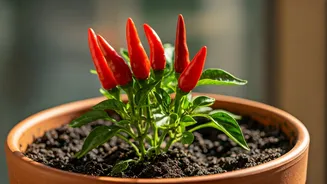
The culmination of your efforts arrives with harvesting. Chillies can be plucked while they are still green, offering a crisp texture and milder heat, or they can be left on the plant to mature fully, developing their characteristic color and intense flavor. Most chilli varieties will begin producing peppers within a few months of planting. Timely and proper harvesting actually encourages the plant to continue producing more chillies, extending your yield. By regularly picking ripe peppers, you signal to the plant that its reproductive cycle is successful, prompting it to allocate energy towards producing further blooms and fruits. This cyclical harvesting is key to maximizing the output from your single pot, ensuring a continuous supply of fresh, homegrown chillies for your culinary creations.