


Shadow of Conflict
The delicate recovery of Kashmir's tourism industry has been abruptly halted by the escalating conflict in West Asia during March 2026. This resurgence
of global instability, particularly the heightened tensions between Iran and Israel, has sent shockwaves through the region, leading to immediate and widespread booking cancellations. The perceived safety risks associated with this geopolitical turmoil have cast a long shadow over Kashmir's critical spring tourism period. This comes as a devastating blow to a sector still reeling from the aftermath of a significant terror attack in Pahalgam in 2025, which saw tourist arrivals plummet dramatically. In that challenging year, visitor numbers dropped to a mere 11.16 lakh, a stark contrast to the record-breaking 2.36 crore arrivals witnessed in 2024. This renewed uncertainty is a grave concern for all stakeholders, from hotel owners to local transporters, who had pinned their hopes on the upcoming peak season for much-needed revival.
Economic Fallout Mounts
Beyond direct safety concerns, the global economic repercussions of the West Asian conflict are exacerbating the crisis for Kashmir's businesses. The war has triggered a significant surge in international oil prices, which in turn has led to a sharp increase in the cost of commercial LPG and other fuels. This price hike, coupled with anxieties about the consistent availability of these essential resources, presents a daunting challenge. For hoteliers like Sahil, the impact is immediate and severe. Having already endured substantial financial losses in 2025 due to the earlier crisis, he was optimistic about a turnaround this year. However, the recent geopolitical developments have already resulted in a wave of cancellations, compounded by the looming LPG shortage. While backup stocks typically last for about a week, prolonged disruptions in supply could cripple daily operations and result in catastrophic losses for businesses reliant on uninterrupted service, such as his hotel.
LPG Supply Crisis
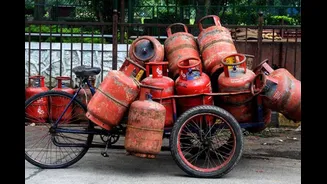
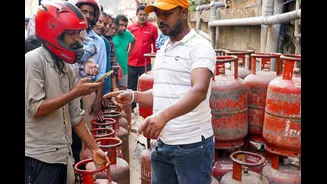
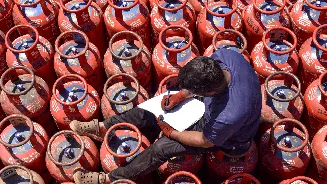
The ramifications of the escalating tensions involving Iran, the United States, and Israel are now acutely felt in the Kashmir Valley, specifically concerning the supply of Liquefied Petroleum Gas (LPG). Local dealers have confirmed that following government directives to prioritize essential services, LPG cylinders are currently being exclusively allocated to institutions like hospitals and schools. This has left commercial establishments, including a vast majority of tourism-related businesses, restaurants, and eateries, without access to this vital fuel source. Harmilan Kour, Managing Director of Kashmir Gas Agency, explained that a recent circular mandated the temporary cessation of LPG supplies to commercial entities. While acknowledging the significant impact on key sectors, the agency is exploring alternatives such as 5-kg LPG cylinders, particularly to support the upcoming Eid festivities, and is urging the public to use available gas judiciously to ensure equitable distribution during this challenging period. This critical shortage directly impedes the operational capabilities of numerous businesses already struggling to recover.
Hope Amidst Adversity
The situation represents a disheartening setback for an industry that had only just begun to show signs of recovery. The winter's favorable snowfall had initially rekindled optimism, attracting a steady stream of visitors and gradually steering the sector back towards normalcy as the new tourism season commenced. However, the current commercial LPG supply crisis, affecting businesses across the valley, has plunged hotel owners and restaurant operators back into a state of profound uncertainty, with the specter of substantial financial losses once again looming large. The timing of these dual crises – the geopolitical instability impacting bookings and the domestic supply chain disruption – couldn't be worse, jeopardizing the fragile rebound that had been carefully nurtured.