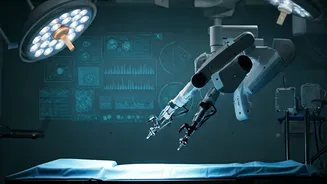










Robotic Surgery Revolution
AIIMS Delhi has reached a momentous milestone, successfully executing 1,000 robotic surgeries. This achievement follows the integration of the sophisticated
'da Vinci robotic surgical system,' with the inaugural procedure led by Dr. Hemanga K. Bhattacharjee in November 2024, after extensive preparation by the dedicated surgical team. Remarkably, these advanced robot-assisted operations are now available to patients at AIIMS at no additional charge. This development positions AIIMS as one of the public sector's most rapidly expanding centers for robotic surgery, with the program now encompassing a broad spectrum of complex interventions, including cancer surgeries, intricate pelvic procedures, and organ transplants. For individuals undergoing surgery, this represents a substantial technological leap, transforming the very nature of surgical intervention and promising enhanced patient outcomes through increased precision and reduced invasiveness compared to traditional methods.
Precision and Patient Benefits
The integration of robotic surgical systems at AIIMS Delhi heralds a new era of precision and patient care. Studies consistently demonstrate that the technological advancements inherent in robotic surgery translate to significantly less post-operative pain and superior accuracy during procedures. The robot essentially acts as an extension of the surgeon's hands, offering unparalleled steadiness and dexterity. It provides a highly magnified, three-dimensional view of the surgical site, allowing surgeons to navigate complex anatomical structures with exceptional clarity. This enhanced visualization and control are particularly beneficial in challenging operations, such as those in confined pelvic areas, where preserving delicate nerves and minimizing blood loss is paramount. The result is often a smoother patient recovery and improved long-term health results, fundamentally reshaping the surgical experience for the better.
Bridging the Cost Barrier
Despite the proven advantages of robotic surgery, its widespread adoption in India has been a gradual process, largely hindered by substantial costs. The initial investment for these advanced systems can run into several crores, with ongoing expenses for maintenance and specialized consumables. Consequently, the technology was initially confined to well-funded private healthcare institutions, making it inaccessible to a large segment of the population. However, the AIIMS initiative is a game-changer, making these cutting-edge procedures available to patients without any extra financial burden. This democratization of advanced surgical care is a significant step forward, ensuring that more patients can benefit from the enhanced precision and recovery associated with robotic interventions, even with the current limitation of having a single robotic system.
Growing Demand and Training Needs
The increasing awareness and positive patient experiences are fueling a rapid surge in demand for robotic surgery at AIIMS. Patients are now proactively inquiring about the availability of robotic procedures, a shift from the past when they primarily asked about laparoscopic options. This growing patient interest underscores the perceived value and effectiveness of the technology. To meet this demand and ensure the sustainability of the program, AIIMS is investing heavily in training the next generation of surgeons. Resident doctors are undergoing comprehensive training on the robotic system as an integral part of their surgical education, equipping them with the specialized technical skills required to operate these advanced platforms and perform live surgeries confidently and competently.
Future Frontiers in Surgery
Looking ahead, the expansion of robotic surgery in India holds immense promise, particularly if more public healthcare facilities can adopt this technology. However, the primary constraint remains affordability, as the high cost deters many government hospitals from acquiring these systems. Dr. Bhattacharjee emphasizes that if the government can devise strategies to make robotic surgery more economically viable, a far greater number of patients will be able to access its benefits. Beyond robotics, the next exciting frontier lies in the integration of artificial intelligence (AI) to assist surgeons. While research is progressing, and automated procedures have been demonstrated in animal studies, it will likely take considerable time before AI-assisted robotic surgery becomes a standard practice in routine human operations, paving the way for even more sophisticated and potentially automated surgical interventions in the future.