






The Stent Surprise
In a striking case that challenged conventional wisdom, a 37-year-old man from Hyderabad, who meticulously followed a healthy lifestyle, found himself
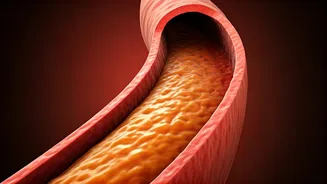
needing two stents due to severe arterial blockages. This individual was dedicated to his well-being, engaging in a 5 km run every single morning, strictly avoiding any form of junk food, and maintaining a disciplined sleep schedule. He also abstained from smoking and alcohol, seemingly ticking all the boxes for a heart-healthy life. Despite this rigorous regimen, he experienced chest pressure and left arm discomfort, leading to an angiography that revealed significant blockages necessitating the implantation of two stents. This scenario highlights that adherence to common health advice may not be sufficient for preventing heart disease in all individuals, prompting a deeper investigation into less apparent risk factors.
Silent Genetic Culprits
Cardiologists emphasize that genetic predispositions often play a silent yet crucial role in cardiovascular health, a factor frequently underestimated. A significant family history of heart issues, particularly in a father or uncle before the age of 55, can elevate an individual's risk by two to three times, irrespective of their current fitness level, weight, or activity. Beyond general family history, a specific genetic marker, Lipoprotein(a) or Lp(a), poses a substantial threat. This 'dangerous cholesterol' is purely genetic and not assessed in routine lipid profiles. Elevated Lp(a) levels can lead to accelerated artery clogging, even when traditional cholesterol indicators like LDL are within the normal range. Understanding and testing for these genetic factors is paramount for a comprehensive assessment of heart health, especially for those with a family history.
Stress and Inflammation's Toll
The modern corporate lifestyle, often characterized by high stress levels, presents a significant challenge to cardiovascular health, even for the physically active. Experts clarify that while a 5 km run contributes to fitness, it is not an adequate countermeasure against chronic stress. Persistent stress triggers the release of adrenaline, leading to elevated blood pressure and heightened systemic inflammation. This inflammatory state can foster the development of microplaques within the arteries, contributing to blockages over time. Furthermore, many individuals who appear physically fit may harbor underlying inflammation, medically known as elevated CRP (C-reactive protein) levels. This hidden inflammation can accelerate artery damage, a factor that is typically not monitored in standard medical check-ups. Addressing stress and managing inflammation are therefore critical components of preventative heart care.
The Sleep-Screen Connection
The quality of one's sleep and exposure to screens, particularly late at night, can exert considerable metabolic strain on the body, impacting heart health. Consistently sleeping for only six hours and engaging with screens until midnight, for instance, can disrupt hormonal balance and physiological processes. This pattern contributes to increased cortisol levels, a stress hormone, which in turn can lead to blood thickening and greater instability of existing arterial plaques. Such disruptions in sleep and increased screen time create a less-than-ideal environment for cardiovascular recovery and maintenance. Prioritizing sufficient, restorative sleep and limiting late-night screen use are crucial for mitigating these negative effects and supporting overall arterial well-being.
Beyond Basic Fitness Metrics
The prevailing belief that physical fitness alone guarantees clean arteries is a misleading one, as heart disease is a multifaceted condition influenced by a complex interplay of factors. Dr. Ali articulates that cardiovascular health is not solely determined by exercise; rather, it is a consequence of genes, lifestyle choices, inflammation levels, stress management, sleep patterns, and overall metabolic health. Running effectively contributes to fitness but does not inherently prevent plaque buildup. Therefore, a holistic approach is necessary, which includes recognizing the combined impact of genetic predispositions, habitual lifestyle choices, persistent inflammation, chronic stress, inadequate sleep, and metabolic disturbances. A comprehensive understanding of these elements is vital for truly safeguarding one's heart.
Essential Heart Health Tests
To gain a more complete understanding of cardiovascular risk, especially for Indians over the age of 25, a suite of advanced tests beyond the standard lipid profile is recommended. These crucial screenings include Lipoprotein(a), which assesses genetic cholesterol risk, and HS-CRP, an indicator of inflammation. Additionally, tests like ApoB, HbA1c, and fasting insulin offer insights into metabolic health and insulin resistance. Homocysteine levels are also important to monitor. For individuals experiencing symptoms, a TMT (treadmill test) is advised. Furthermore, a Coronary Calcium Score is highly beneficial for those over 35, as it can detect early plaque formation even before symptoms manifest, providing an invaluable window for early intervention and preventative care.