






Customs Scrutiny of Medicines
Many travelers meticulously plan for passports and visas, often overlooking that international customs agencies also screen medications. What is readily
available in one country, whether with a prescription or over-the-counter, might be prohibited or strictly regulated in another. Dr. Sundar Krishnan points out that nations vary significantly in their drug regulations, particularly concerning medications for pain relief, anxiety, sleep disturbances, ADHD, and certain cough syrups containing codeine. Transporting substantial quantities of medication without proper documentation can arouse suspicion, even if intended solely for personal use. Customs officials in numerous countries maintain rigorous standards for medicine entry. Issues commonly surface when travelers present unlabelled medication strips, excessive stockpiles, or drugs lacking a valid prescription. In some destinations, even common prescription drugs necessitate prior approval or a formal declaration before entry.
Avoiding Suspicion Abroad
Carrying an amount of medication that appears excessive for your travel duration can indeed raise red flags with customs officials. If you are planning a two-week trip but possess a six-month supply of your medication, authorities may scrutinize your intentions. This caution is particularly relevant for drugs that affect the nervous system, potent painkillers, or injectable treatments. It is therefore imperative to carry only what is reasonably necessary for your trip, with a small buffer for unforeseen travel delays, rather than an overabundance. The key is to demonstrate that the medication is solely for your personal medical needs during your stay, avoiding any appearance of intent for distribution or other purposes that could invite unwanted attention from border control.
Essential Travel Preparations
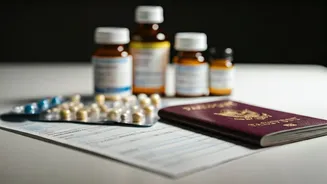
To ensure a seamless travel experience with your medications, the most prudent approach is to keep them in their original, clearly marked packaging. Accompanying each medication should be a doctor's prescription. This prescription must explicitly detail the patient's full name, the specific diagnosis for which the medication is prescribed, and the prescribed dosage. Additionally, a brief medical summary or a fitness-to-travel note from your physician can prove invaluable, especially during unexpected emergencies or routine airport checks. Individuals managing chronic conditions such as diabetes, thyroid disorders, high blood pressure, asthma, or heart ailments should carry a slightly increased supply to account for potential travel delays, always ensuring this extra amount remains within reasonable limits. It is also highly advisable to consult the embassy or official health ministry website of your intended destination country well in advance of your departure.
Proactive Destination Checks
Never assume that medications you use regularly are universally permitted. Even seemingly innocuous items like sleeping pills or potent cold remedies can lead to complications abroad if they are not adequately documented. Proactive planning is essential for circumventing unnecessary anxiety at immigration checkpoints and guaranteeing the uninterrupted continuation of your treatment while traveling. The Centers for Disease Control and Prevention (CDC) recommends verifying with the destination country's embassy, as well as the embassies of any countries where you will have layovers, to confirm that your medications are indeed allowed. Many countries permit a 30-day supply of certain medications but mandate that travelers possess a prescription or a medical certificate from their healthcare provider. If a particular medication is not permitted at your destination, discuss potential alternatives with your doctor and request a letter detailing your medical condition and treatment plan. Consulting the International Narcotics Control Board's resources can also provide general information on narcotics and controlled substances for countries where such data is available to travelers.
Labeling and Packaging
A crucial step in avoiding issues at customs is to meticulously maintain the original labeling and packaging of all your medications. Ensure that each container is clearly and legibly labeled with your full name, the name of your healthcare provider, both the generic and brand names of the medication, and the precise dosage you are prescribed. This detailed labeling is not merely a suggestion but a vital component of proper documentation that can significantly expedite your passage through security and customs. Adhering to these guidelines helps officials quickly verify the legitimacy of your medication and its intended use, thereby preventing potential delays or confiscations.