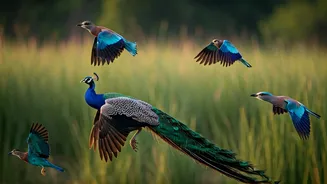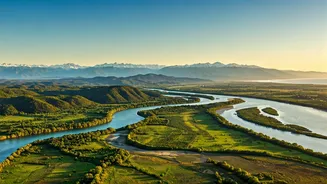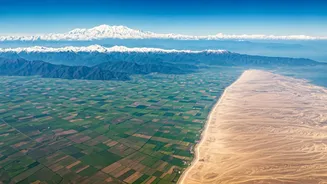





Chilika's Avian Spectacle
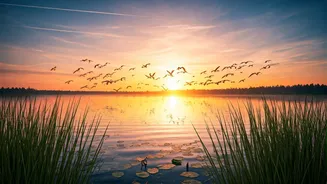
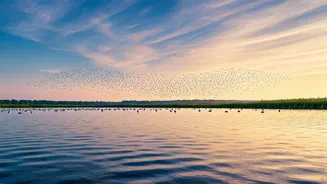
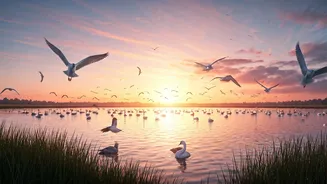
Nestled in Odisha, Chilika Lake stands as Asia's largest brackish water body and a celebrated haven for ornithology enthusiasts. Each year, this vast expanse
transforms into a bustling metropolis for avian visitors, featuring iconic species such as vibrant flamingos, stately pelicans, and elegant storks. The tranquil waters reflect the aerial ballet of these feathered travelers, creating a scene of profound natural beauty that captivates all who witness it. Its unique ecosystem provides essential sustenance and roosting grounds for countless species, making it a critical stopover point on their long migratory journeys.
Bharatpur's Wetland Wonders
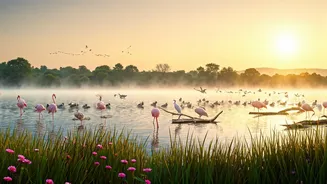
Located within the famed Bharatpur Bird Sanctuary in Rajasthan, this wetland sanctuary, a UNESCO World Heritage Site, is an indispensable destination for bird lovers. It shelters an astonishing variety of avian species, with hundreds of distinct kinds calling it home, including stately herons, majestic cranes, and lively ducks. The winter months are particularly magical, when the sanctuary buzzes with activity and offers an unparalleled opportunity to observe diverse bird behaviours and interactions within their natural habitat. The lush vegetation and carefully managed water levels create an ideal environment for both resident and migratory populations.
Vembanad's Serene Birdlife
In Kerala, Vembanad Lake offers a picturesque landscape that is as rich in avian diversity as it is in scenic beauty. This expansive lake system is a favoured haunt for various bird species, including the striking kingfishers and graceful cormorants, alongside a significant influx of migratory visitors during the cooler seasons. The tranquil ambiance surrounding the lake provides a peaceful setting, making it an idyllic retreat for anyone seeking a serene connection with nature and a chance to observe wildlife undisturbed. The intricate network of backwaters also supports a unique variety of aquatic life that sustains these bird populations.
Pulicat's Flamingo Feast
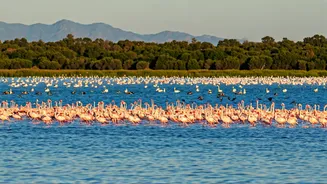
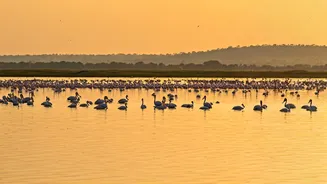
Pulicat Lake, situated on the border of Andhra Pradesh and Tamil Nadu, is particularly renowned for its spectacular congregations of flamingos, especially during the winter period. These vibrant pink birds create a breathtaking visual spectacle against the water's surface. Beyond the flamingos, the lake also attracts a variety of other water birds, including numerous pelicans, making it a prime location for photographers eager to capture dynamic avian imagery. The shallow, saline waters are perfectly suited for foraging, providing an abundant food source for these migratory visitors.
Sambhar's Saline Beauty
As India's largest inland saltwater lake, Sambhar Lake in Rajasthan presents a truly unique and stunning natural phenomenon. Come winter, the lake's expanse often turns a striking pink hue, a result of the massive gathering of thousands of flamingos that flock to its shores. This surreal transformation offers one of the most visually arresting experiences for bird enthusiasts and nature photographers alike, showcasing the incredible resilience and adaptability of birdlife in diverse environments. The mineral-rich waters and extensive salt flats create a distinct habitat that draws these specific avian species.
Loktak's Floating Islands
Manipur's Loktak Lake is distinguished by its unique floating islands, known as 'phumdis,' which create a surreal and captivating landscape. This ecological marvel serves as a vital habitat, attracting a considerable number of both local and migratory bird species. The natural allure of the lake, coupled with its distinctive floating topography, renders it an exceptional destination for those interested in exploring biodiversity in unconventional settings. These phumdis, composed of decaying vegetation and soil, provide a stable platform for nesting and foraging for various bird types.
Dal Lake's Winter Visitors
While Dal Lake in Jammu and Kashmir is globally celebrated for its iconic houseboats and stunning mountain vistas, it also plays host to a variety of bird species, particularly during the winter months. The lake becomes a temporary home for numerous ducks, geese, and other migratory birds seeking refuge and sustenance. The juxtaposition of its famous tourist attractions with the quiet presence of avian life adds another layer to the enchanting experience of visiting this iconic Kashmiri landmark. The cold, clear waters and surrounding landscape offer a conducive environment for these winter visitors.
Nal Sarovar's Migratory Hub
Considered one of India's most significant bird sanctuaries, Nal Sarovar in Gujarat is a crucial destination for thousands of migratory birds journeying from the vast expanses of Central Asia and Europe. The lake offers extensive opportunities for birdwatching, with boat rides providing intimate encounters with a multitude of species. Its sheer scale and the sheer volume of its avian visitors underscore its importance as a vital stopover point in the intricate network of global bird migration routes, supporting diverse ecosystems and biodiversity.
Kolleru Lake's Freshwater Haven
Kolleru Lake in Andhra Pradesh, a substantial freshwater lake, functions as a critical habitat for a diverse array of bird species. It is a frequently observed locale for pelicans, ibises, and the striking painted storks, especially during the winter season when bird activity peaks. The lake's freshwater ecosystem supports a rich food web, essential for sustaining these large water bird populations. Its conservation is vital for ensuring the continued presence of these magnificent creatures and maintaining regional ecological balance.
Umiam Lake's Peaceful Retreat
Nestled amidst the verdant hills of Meghalaya, Umiam Lake provides a less crowded yet equally rewarding birdwatching experience. This picturesque reservoir attracts a variety of bird species, making it an ideal spot for those seeking tranquility and a more intimate connection with nature. Its serene surroundings and relatively untouched environment make it perfect for peaceful birdwatching sessions and nature photography, offering a refreshing contrast to more bustling avian hotspots. The surrounding flora also supports a rich insect population, a primary food source for many bird species.