
Tarot: Origins and Purpose
Tarot cards, steeped in rich history, originated in mid-15th century Europe, initially as a game. Over time, they evolved to incorporate esoteric and occult
symbolism. This transformation gave rise to their use for divination and self-exploration. Today, tarot is employed for various purposes, including gaining insight into life's challenges, understanding personal relationships, and seeking guidance on important decisions. Readers often consult the cards to gain a clearer perspective on past events, current situations, and potential future outcomes. The cards are not seen as predicting the future, but rather as tools to uncover hidden influences and facilitate self-awareness, offering a pathway to navigate life’s complexities with greater clarity and purpose.
The Structure of a Deck
A standard tarot deck typically consists of 78 cards, split into two main sections: the Major Arcana and the Minor Arcana. The Major Arcana, comprising 22 cards, represents significant life lessons, archetypes, and pivotal experiences. Each card in this section carries unique symbolic meanings, depicting various stages of life and spiritual development, like The Fool, The Lovers, and Death. The Minor Arcana, on the other hand, comprises 56 cards divided into four suits: Wands (representing energy and action), Cups (emotions and relationships), Swords (intellect and challenges), and Pentacles (material matters and the physical world). Each suit contains ten numbered cards and four court cards (Page, Knight, Queen, and King), each symbolizing specific personality types or aspects of a situation. The combined structure of both the Major and Minor Arcana provides a comprehensive framework for exploring diverse facets of human experience, offering layered interpretations and profound insights.
How Tarot Readings Work
A typical tarot reading involves shuffling the deck while focusing on a specific question or area of concern. The reader then draws a certain number of cards, following a pre-defined spread, such as the Celtic Cross or a simple three-card spread (past, present, and future). The order in which the cards appear and their specific positions within the spread are critical to the interpretation. Each card is examined to uncover its meanings, taking into account the symbols, the illustrations, and the context of surrounding cards. Experienced tarot readers often combine their knowledge of the cards' meanings with their intuition to provide personalized and relevant insights. They consider the interplay of the cards, along with the querent’s circumstances and the overarching themes to provide the most accurate and useful interpretations.
Interpreting the Cards
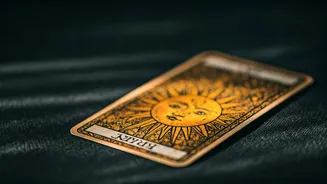
Interpreting tarot cards requires understanding the symbols, the imagery, and the core meanings of each card. The meanings of the cards can vary depending on the deck used, as different artists and creators might imbue the cards with unique symbolism. For example, The Sun often signifies joy, success, and positivity, while The Tower often signifies sudden change and upheaval. When interpreting a reading, it’s crucial to consider the cards' positions within the spread. The cards can be interpreted in relation to each other to give a full, clear, and more in-depth explanation of the reading. A skillful reader will connect the cards to the querent's question or the situation to draw out meaningful and actionable insights. The focus is to use the cards as a tool for self-reflection and guidance rather than relying on them as a strict prediction of the future.
Beyond Divination
While tarot cards are frequently used for divination, their value goes beyond simply predicting events. Many individuals and professionals utilize tarot as a tool for self-discovery and personal growth. The cards can offer reflections on personal strengths, weaknesses, and potential challenges. Regularly reflecting on a card pulled each day helps to cultivate self-awareness and mindful living. The practice also facilitates a deeper connection to intuition and emotional intelligence. The reflective nature of the cards encourages one to explore various viewpoints, fostering greater understanding and compassion towards themselves and others. By offering a medium for self-exploration, tarot empowers individuals to embrace the complexities of life with clarity and awareness.