


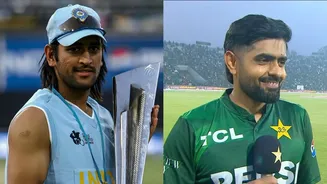
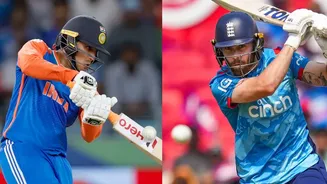
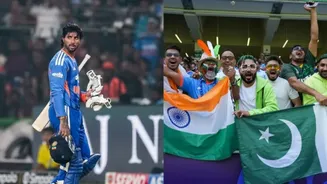
Unwavering Stance Announced
Pakistan's Prime Minister has unequivocally confirmed that the national men's cricket team will not participate in any matches against India during the group
stages of the ICC Men's T20 World Cup 2026, which is scheduled to be co-hosted by India and Sri Lanka. Addressing the federal cabinet in Islamabad, the Prime Minister articulated a clear position, stating, "We have taken a very clear stand on the T20 World Cup that we won't play the match against India because there should be no politics on the sports field." This directive signifies a resolute policy to keep geopolitical issues separate from the sporting arena. The Prime Minister also emphasized Pakistan's support for Bangladesh, adding, "We have taken a very considered stance, and we should completely stand by Bangladesh, and I think this is a very appropriate decision. We are with Bangladesh." This statement underscores a broader solidarity with Bangladesh on this matter.
Cricket World Cup Context
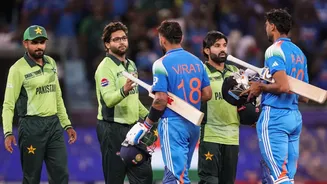
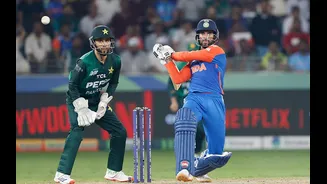
The scheduled encounter between India and Pakistan was slated for Sunday, February 15, at the R Premadasa Stadium in Colombo. Beyond this initial group-stage fixture, there remained a possibility of the two cricketing giants clashing again in the tournament's final. However, clarity is still lacking regarding Pakistan's proposed course of action should they reach the championship match and find themselves pitted against India for the title. The International Cricket Council (ICC) had previously released a statement expressing its apprehension concerning Pakistan's selective participation in a global event, deeming such a stance to be contrary to the fundamental principles of fairness, integrity, and competitive equilibrium that govern international tournaments.
Reasons for Boycott
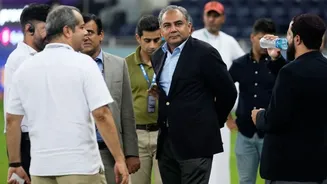
Pakistan's decision to boycott the match against India is reportedly linked to the ICC's earlier resolution to substitute Bangladesh with Scotland for a particular role in the T20 World Cup. Bangladesh had initially appealed to the ICC to relocate their designated venues from Kolkata and Mumbai to Sri Lanka, citing concerns over player security. This request arose in the aftermath of the Board of Control for Cricket in India (BCCI) directing the Indian Premier League franchise, Kolkata Knight Riders, to release Mustafizur Rahman, allegedly under pressure from right-wing organizations. The chairman of the Pakistan Cricket Board (PCB), Mohsin Naqvi, subsequently voiced his opinion that the ICC's decision was unfair. He then indicated that Pakistan would adhere to government directives concerning their participation in the tournament, placing national policy above sporting engagement.
Potential Repercussions
Reports suggest that Pakistan could face significant sanctions from the ICC due to their boycott of the game against India. These potential disciplinary actions might include further penalties, restrictions on issuing No-Objection Certificates (NOCs) for Pakistani players to participate in overseas domestic T20 leagues, substantial revenue losses, and the risk of losing future hosting rights for ICC tournaments. Given that the India-Pakistan cricket rivalry is arguably the most anticipated fixture in the sport globally, there is also speculation that Pakistan could face legal action from broadcasters for failing to fulfill contractual obligations. The ultimate response from the ICC remains to be seen, and it is uncertain whether they can persuade Pakistan to reconsider its firm decision.
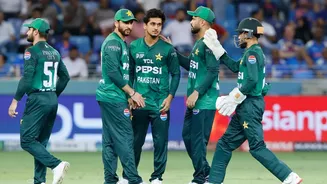



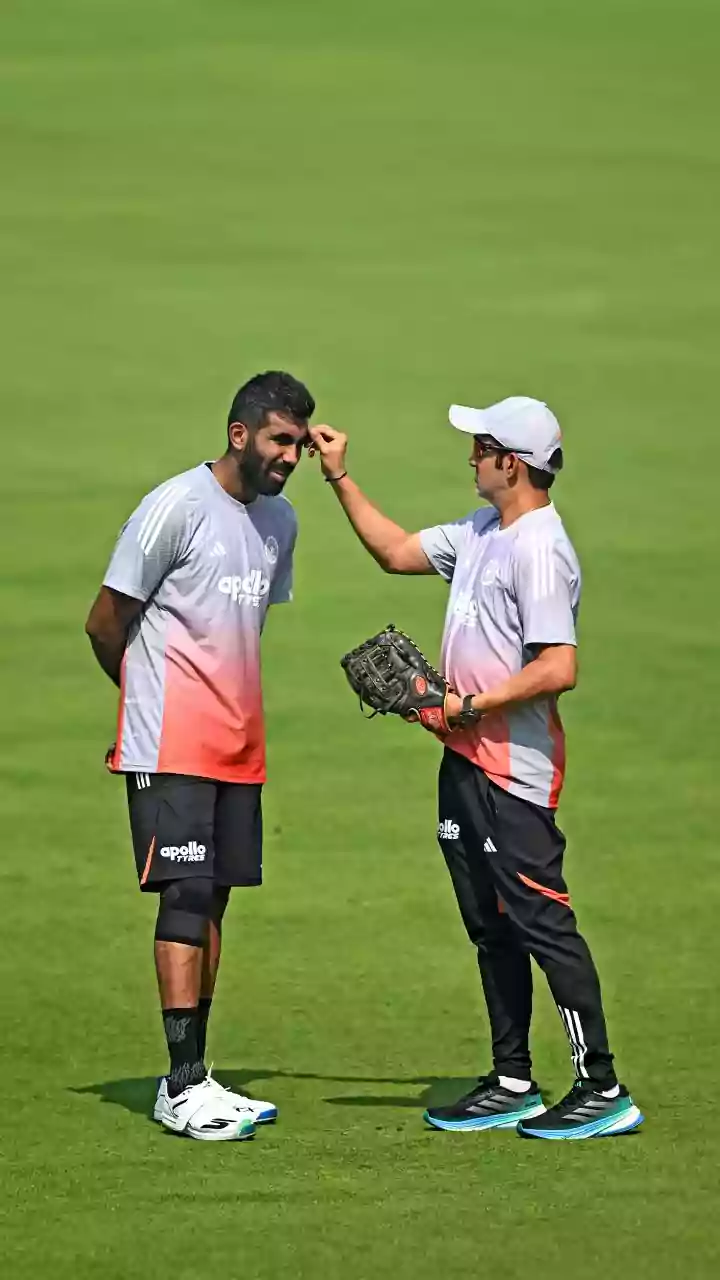
![[WATCH] Gautam Gambhir ignores question on Pakistan's T20 World Cup boycott against India](https://g-mob.glance-cdn.com/public/fc/image/mfxFqQixrDW0.webp)