





Ease of Driving
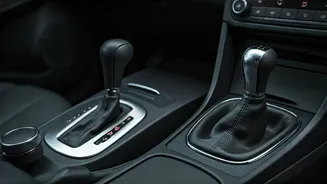
When it comes to operating a vehicle, the transmission type significantly impacts the driving experience, particularly in varying traffic conditions. Automatic
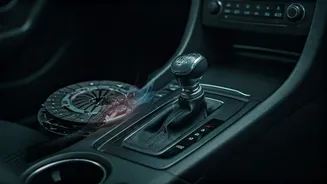
transmissions offer a far simpler and more relaxed driving process due to the absence of a clutch pedal and the car's ability to manage gear changes autonomously. This feature proves to be a considerable advantage in congested urban environments and during prolonged periods of stop-and-go traffic, reducing driver fatigue. Conversely, manual transmissions demand a more engaged and active approach from the driver, requiring constant management of the clutch and gear selection, which can be demanding and even stressful for novice drivers, especially at lower speeds or during intricate maneuvers.
Fuel Efficiency
Historically, manual transmissions held a distinct advantage in terms of fuel economy, consistently delivering superior mileage. However, this gap has considerably narrowed with advancements in automotive technology. Modern automatic gearboxes have become remarkably sophisticated and efficient, with some now rivaling or even matching the real-world fuel consumption of their manual counterparts. While it's still possible for a manual transmission, particularly in more budget-friendly vehicles, to offer slightly better fuel efficiency when operated skillfully, the difference is no longer as pronounced as it once was, making this less of a deciding factor for many.
Cost Factor
Budgetary considerations are a crucial aspect of any car purchase. Manual transmission vehicles generally present a more economical option throughout their ownership. They typically come with a lower upfront purchase price, and their maintenance costs tend to be less burdensome. Automatic transmission cars, on the other hand, usually command a higher price tag at the point of sale. Furthermore, repairs for automatic gearboxes can sometimes be more expensive, depending on the specific type of transmission system. Therefore, if minimizing expenditure is a primary concern, a manual vehicle often represents a more sensible financial choice.
Driving Pleasure
For driving enthusiasts who cherish the sensation of being in command and intimately connected to their vehicle, a manual transmission offers an unparalleled driving experience. The direct control over gear selection allows drivers to feel more involved in the car's performance and responsiveness. This tactile connection is a significant draw for many who find joy in the art of driving. Automatic transmissions, while prioritizing smoothness and ease, often sacrifice some of this driver engagement, focusing more on delivering a comfortable and effortless ride rather than an exhilarating one.
Usage and Lifestyle
The choice between automatic and manual transmissions should also align with your typical driving environment and personal circumstances. Automatic cars are particularly well-suited for individuals who frequently navigate busy city streets and endure daily commutes, as they significantly reduce the effort required in stop-start traffic. They are also an excellent choice for new drivers who are still building their confidence or for older drivers who may prefer a simpler operational experience. Manual cars, while offering a more engaging drive, can be more practical for those who primarily undertake highway journeys or use their vehicle for less frequent, more recreational purposes.