
Traditional Wisdom Meets Modern Nutrition
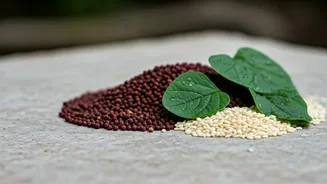
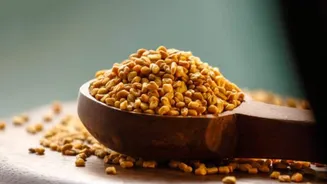
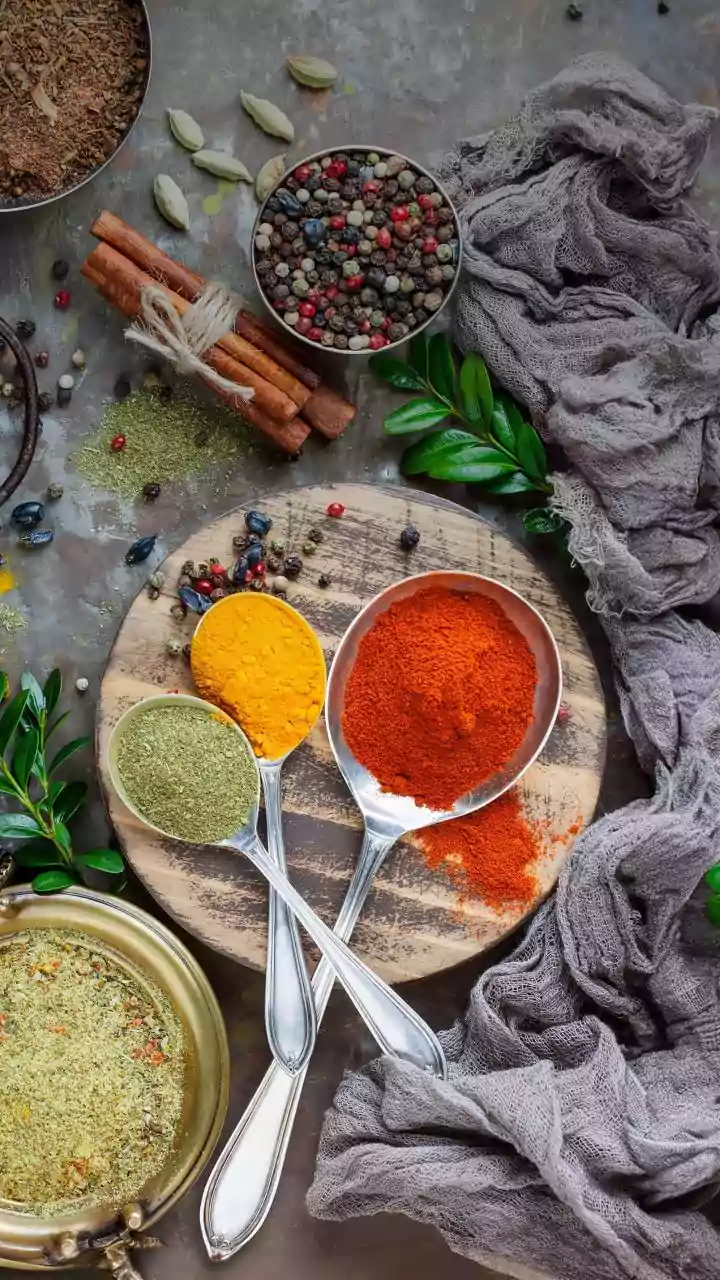
During her pregnancy journey, actress Divyanka Tripathi Dahiya shared a piece of traditional advice from her mother: consuming chironji dana, also known
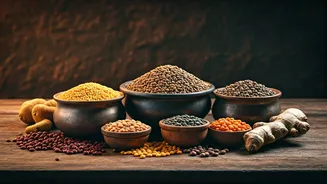
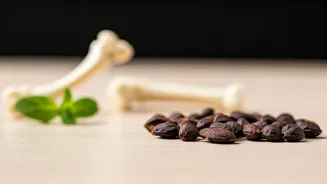
as Charoli or Almondette kernels. Her mother suggested this nutty-flavored seed, similar to almonds, for its perceived benefits in strengthening the baby's bones due to its calcium content. Divyanka highlighted how her mother encouraged her to eat chironji regularly, believing it would contribute to the healthy bone development of the unborn child. This anecdote sheds light on how age-old dietary practices continue to influence modern parenting advice, particularly concerning prenatal nutrition. While traditional foods often carry wisdom, understanding their place within current scientific knowledge is crucial for expectant mothers navigating dietary choices during this significant period.
Nutritional Profile and Bone Health
Dr. Amreen Sheikh, a chief dietitian at KIMS Hospitals, Thane, confirms that chironji seeds are indeed nutrient-dense. They provide beneficial fats, protein, and essential minerals like calcium and phosphorus, all of which are vital for the proper development of a fetus's skeletal system. However, Dr. Sheikh emphasizes that no single food can independently guarantee strong bones. Optimal bone health during pregnancy hinges on a comprehensive dietary approach that ensures adequate intake of calcium and Vitamin D, alongside sufficient protein. Chironji can certainly complement such a diet, but it's not a standalone solution and should not be viewed as a miraculous ingredient for bone fortification. A balanced diet remains the cornerstone of maternal and fetal well-being.
Integrating Traditional Foods Safely
Many traditional foods, like chironji, possess significant nutritional value and can be excellent sources of energy, supporting overall nourishment, especially for pregnant individuals experiencing decreased appetite. However, Dr. Sheikh advises that traditional dietary recommendations should always be considered alongside contemporary medical understanding. Moderation is a key principle when incorporating such foods; they are best enjoyed as part of a varied and well-rounded eating plan rather than being the sole focus. Over-reliance on a single item could inadvertently lead to nutritional imbalances. Therefore, while chironji can be a beneficial addition, it should be part of a broader dietary strategy for optimal health during pregnancy.
Potential Risks and Precautions
When including chironji in the pregnancy diet, mindful consumption is essential. Due to its inherent fat content, chironji is calorie-dense, and excessive intake could contribute to unintended weight gain, which is a concern for some expectant mothers. Furthermore, individuals with a history of nut allergies must exercise caution, as some people might be sensitive to chironji seeds. It is paramount for pregnant women to consult with their healthcare provider or a registered dietitian before making any substantial alterations to their diet. Professional guidance ensures that dietary choices align with individual health needs and pregnancy stages, mitigating any potential risks and maximizing benefits.
Holistic Approach to Bone Health
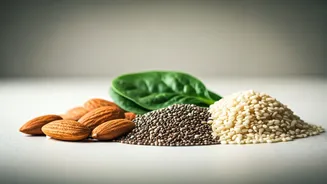
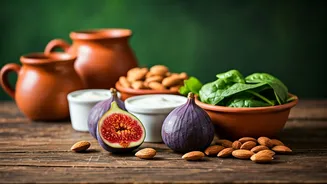
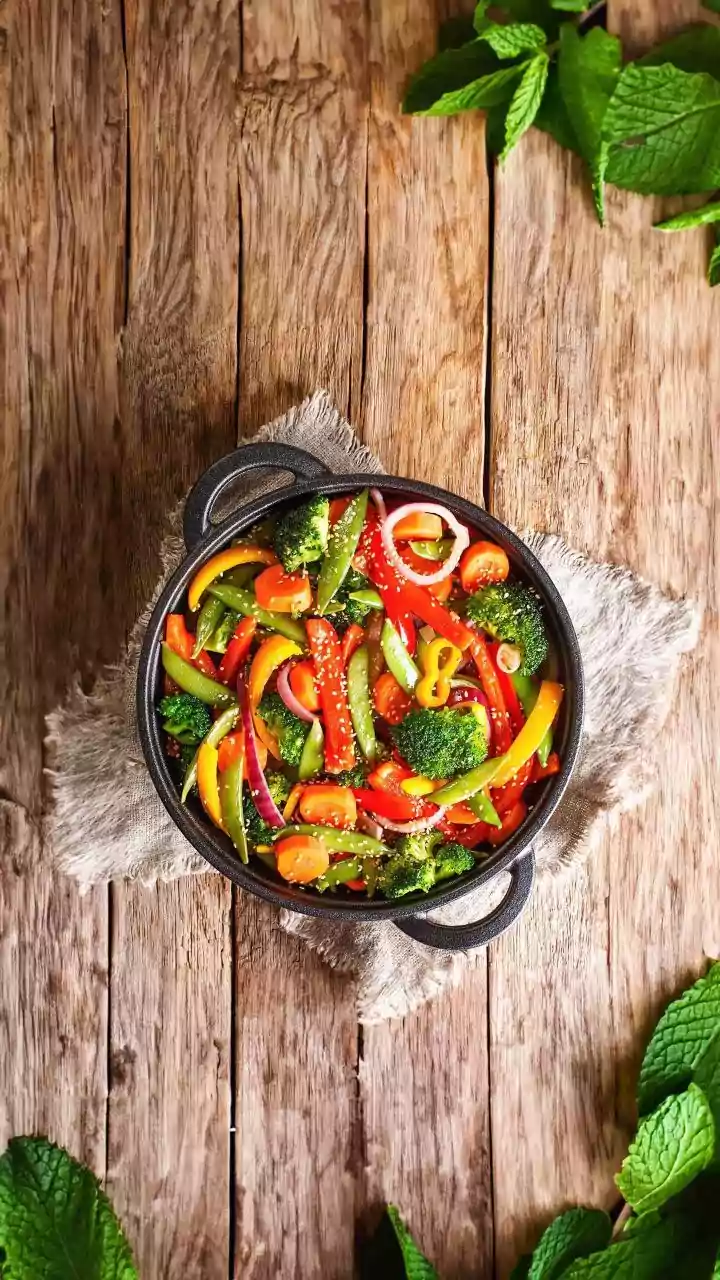
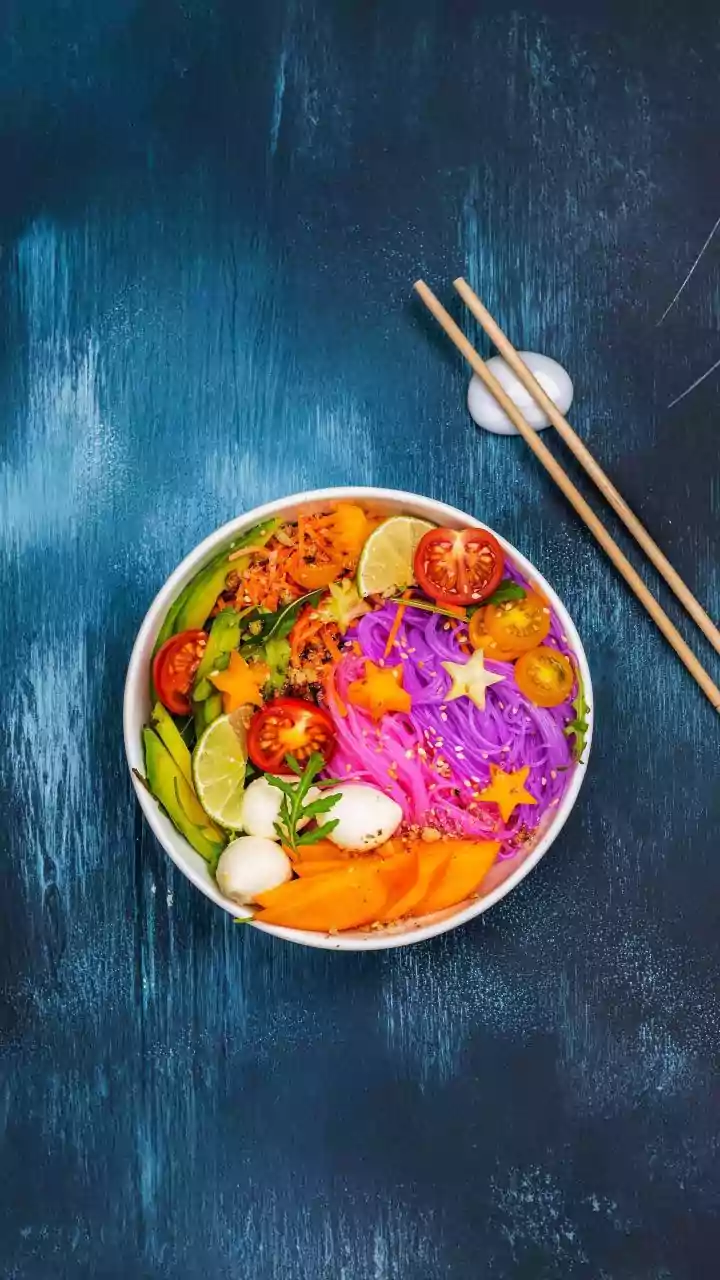
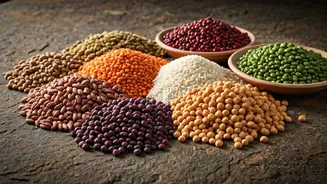
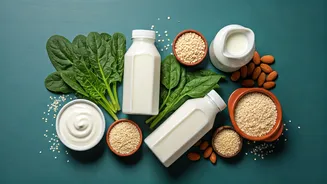
For expectant mothers prioritizing their baby's bone development, the focus should be on a diverse and nutrient-rich diet rather than singling out one particular food. Dr. Sheikh highlights the importance of calcium sources such as milk, yogurt, paneer, and leafy green vegetables, alongside adequate Vitamin D, often obtained through safe sun exposure. Protein, crucial for fetal growth, can be sourced from dals, pulses, eggs, or lean meats. Maintaining proper hydration and adopting a generally healthy lifestyle also play significant roles in supporting both maternal health and optimal fetal development. A comprehensive strategy, guided by medical professionals, is the most effective way to ensure a healthy pregnancy.