

A Taste of Tradition
Renowned actor Sudha Chandran recently shared her affection for her heritage's culinary landscape, particularly emphasizing her preference for "very South
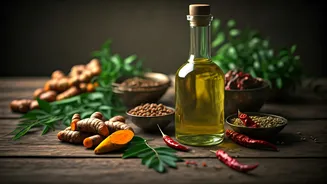
Indian" dishes. She humorously noted that her husband, Ravi Dang, a Punjabi by background, initially found the concept of coconut oil unfamiliar but has since developed a fondness for many South Indian delicacies. Chandran fondly recalled her husband's initial hesitation when trying traditional Kerala dishes like Puttu Kadala during a visit to her hometown in Thrissur. Despite his initial surprise, he grew to love items such as appam and puttu kadala. A particular anecdote involved his struggle with puris fried in coconut oil, highlighting a nuanced experience with the ingredient. Chandran also pointed out the nutritional benefits of Kerala cuisine, citing its rich blend of spices.
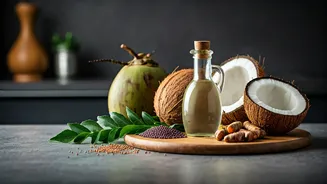
Coconut Oil: A Kitchen Staple
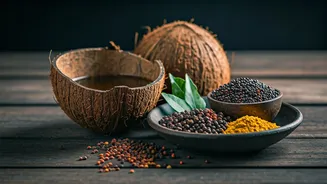
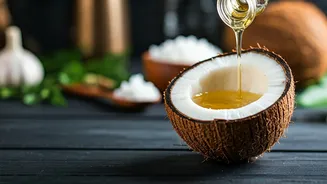
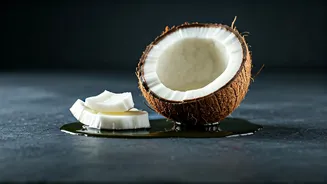
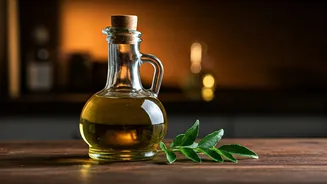
Coconut oil has long been a cornerstone of South Indian cooking, valued for its unique properties. It is rich in medium-chain triglycerides (MCTs), which the body metabolizes differently, potentially offering a readily available energy source. However, dietitians advise caution, emphasizing that coconut oil is still a saturated fat. The key, according to experts, lies in moderation. Small amounts incorporated into traditional recipes are generally acceptable for healthy individuals, provided the overall diet is well-balanced, incorporating ample fiber, vegetables, lentils, and whole grains. Issues typically arise from excessive consumption or when the total fat intake is already high. The source of this information is Dt Amreen Sheikh, chief dietitian at KIMS Hospitals, Thane, who provided expert commentary on the topic.
Balancing the Thali
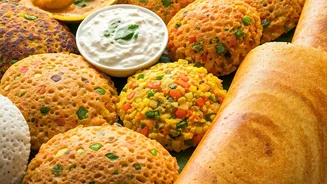
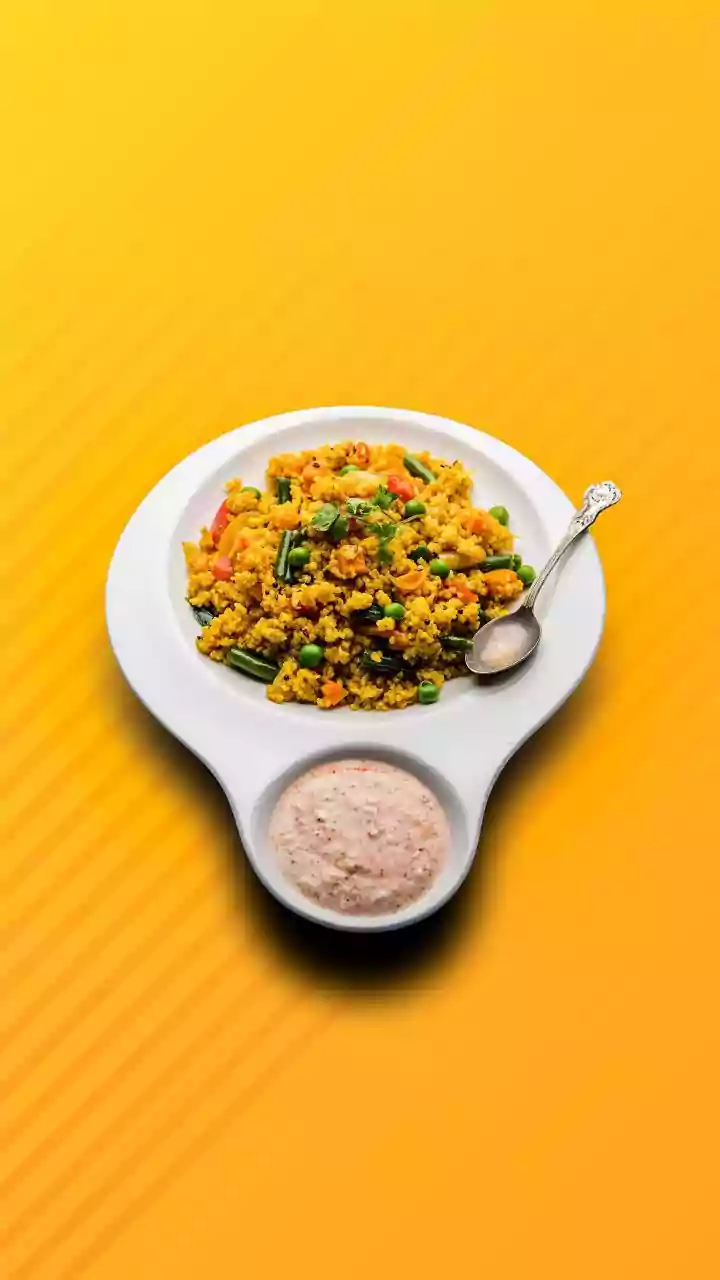
A typical South Indian thali often presents a balanced nutritional profile, featuring staples like idli or dosa alongside sambar, rasam, vegetable poriyal, curd, and rice. This combination includes fermented foods that support gut health, protein from lentils, and fiber from vegetables. However, the overall health impact is significantly influenced by portion sizes and the preparation methods employed. Deep-fried snacks, excessive consumption of refined white rice, and overusing oil can disrupt this balance. Therefore, the focus should be less on the cuisine itself and more on how the dishes are prepared and the quantities consumed, as explained by Dt Amreen Sheikh.
Fat Intake and Health
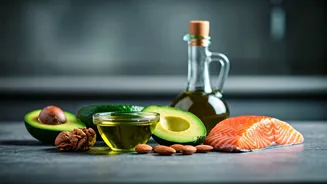
Concerns about weight gain and heart health are often linked to dietary fat. It's important to understand that weight gain is primarily a result of consuming more calories than the body expends, rather than the fault of a single ingredient. Coconut oil, being calorie-dense, can contribute to weight gain if used frequently and generously. For individuals with pre-existing conditions like high cholesterol or a family history of heart disease, careful consideration of coconut oil intake is recommended. Experts suggest rotating cooking oils, incorporating options like groundnut, sesame, or mustard oil, to ensure a diverse fat profile for better health outcomes.
Cultural Foods, Healthy Living
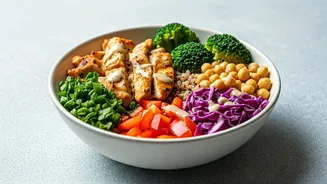
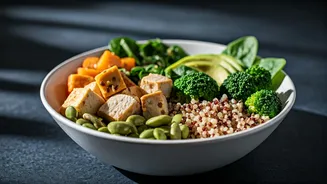
For individuals keen on maintaining their cultural eating habits while prioritizing fitness, there's good news: abandoning traditional foods is unnecessary. Culturally rooted diets are often more sustainable and enjoyable in the long run. The emphasis should be on mindful portion control, increasing protein intake through sources like dals and curd, incorporating a generous amount of vegetables into every meal, and limiting fried side dishes. Achieving health and wellness doesn't necessitate discarding one's heritage; instead, it calls for a balanced approach and increased awareness of dietary choices.