







Design and Aesthetics
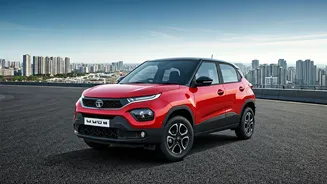
The Tata Punch Facelift, as it had been revealed, boasted a refreshed design, marking a significant change from the previous model. The updates involved
aesthetic modifications that aimed to enhance the overall appeal and modernity of the car. These changes weren't just skin-deep; they were intended to give the Punch a more contemporary look. The facelift included alterations to the front fascia, such as redesigned headlamps and a revised grille. The updates extended to the rear as well, with changes to the taillights and the bumper. The interior also underwent transformations, likely involving updated materials and possibly a redesigned dashboard, contributing to a more premium feel. These aesthetic enhancements were strategically implemented to ensure that the Tata Punch Facelift stayed competitive in the crowded SUV market, attracting a broader range of consumers and reflecting current design trends.
Engine and Performance
The Tata Punch Facelift was expected to introduce new engine options. This indicated a potential enhancement in performance and fuel efficiency. Details about specific engine configurations, like the inclusion of a new engine, were highlighted. The updates were made to give the car more power or improve fuel economy, which are essential factors in the compact SUV segment. The 0-100 kmph sprint time was also revealed, offering insights into the car's acceleration capabilities. Performance specifications, like horsepower and torque figures, provided a clearer picture of the engine's capabilities. These details were crucial for prospective buyers, as they influence the car's on-road behaviour and overall driving experience. The engineering changes ensured the Tata Punch Facelift not only met but possibly exceeded the performance expectations of its target audience. This would make it more attractive compared to its competitors.
Safety Features
Safety was a paramount concern in the design of the Tata Punch Facelift, with the inclusion of advanced safety features. The car was equipped with a 5-star BNCAP (Bharat New Car Assessment Programme) rating, highlighting its robust safety profile. This rating showcased the vehicle's ability to protect occupants in the event of a crash, demonstrating the effectiveness of the car's structural design and safety systems. The enhanced safety features included multiple airbags, anti-lock braking systems (ABS), and electronic stability control (ESC). These features aimed to prevent accidents and mitigate injuries. The focus on safety underscored the car's commitment to passenger well-being, enhancing its appeal to safety-conscious consumers. The incorporation of cutting-edge safety technologies underscored Tata's dedication to providing a secure driving experience.
Pricing and Variants
The launch of the Tata Punch Facelift included the unveiling of pricing details and variant options. The pricing strategy played a critical role in its market positioning, with the price determining its competitiveness and consumer appeal. The availability of various trims and variants provided consumers with choices to fit their needs and budgets. These options likely included different features and specifications, offering a range of choices for potential buyers. The selection of variants may have included different engine options, interior upgrades, and exterior design elements. The pricing structure and variants reflected a broader understanding of consumer preferences and purchasing power. The intent was to offer a product that caters to a wide spectrum of consumers, making it more accessible and appealing within the competitive SUV market.
Boot Space and Features
The Tata Punch Facelift was highlighted as having the largest boot space in its segment. This feature added practicality and convenience, which is a significant factor for consumers. The generous boot space allows for carrying luggage, making it appealing for both daily use and long trips. The features included standard equipment, which adds value for customers. These features likely covered aspects such as infotainment systems, climate control, and connectivity options. The emphasis on boot space, combined with these standard features, helped distinguish the Punch Facelift from competitors. This focus aimed to enhance the car's usability and appeal, making it a more attractive option for consumers. The inclusion of useful features catered to a wide array of consumer needs, improving its overall value proposition.
Best-Selling Model
The article mentioned that the Tata Punch was the best-selling model in 2024. This notable achievement reflected its popularity and market success. The best-selling status indicated high consumer demand and positive reception. This accomplishment likely resulted from factors such as its design, features, and competitive pricing. The Punch's success underscored its ability to capture the preferences of a wide customer base. The best-selling model status served as a testament to the car's overall quality and value, making it stand out in a competitive market. This recognition solidified its reputation and contributed to its continued market performance. The accomplishment reflected Tata's strong understanding of the SUV market and its ability to deliver a product that resonates with consumers.