






Why ACs Malfunction
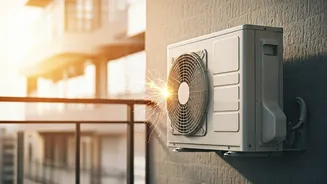
Air conditioners are lifesavers during intense Indian summers, but they aren't immune to issues. While AC blasts are uncommon, they often stem from preventable
problems such as electrical faults, compressor overheating, refrigerant leaks, improper installation, and inadequate maintenance. Over time, neglect in these areas can create a cascade of minor issues that escalate into significant hazards, making proactive care essential for preventing unexpected failures and potential fires.
Electrical & Compressor Woes
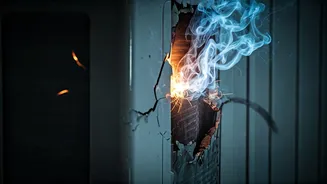
Electrical problems frequently lie at the heart of AC failures. Issues like worn-out wiring, loose connections, or circuits overloaded by the extreme heat can cause internal components to overheat, compromising insulation and leading to sparks or fires. The compressor, the AC's workhorse, is also vulnerable. If it runs non-stop without respite or is subjected to excessive strain, it can overheat, leading to internal pressure imbalances and critical system failure. These electrical and mechanical stresses are often exacerbated by inconsistent power supply and voltage fluctuations, common in many Indian regions, which can rapidly degrade internal circuitry without proper stabilization.
Installation & Maintenance Lapses
The foundation of a safe AC unit is laid during installation. Incorrect fitting, shoddy wiring, or improper refrigerant levels during setup can sow the seeds of future problems, often surfacing months later. Furthermore, a lack of regular upkeep is a significant contributor to AC malfunctions. As dust accumulates on filters and components, airflow becomes restricted, forcing the unit to work harder. This continuous strain elevates the risk of overheating and component wear. Professional servicing, ideally once or twice a year, is crucial for cleaning coils, checking refrigerant levels, and inspecting wiring to catch these developing issues before they become dangerous.
Spotting Warning Signs
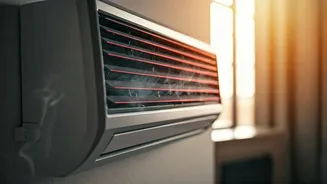
Your air conditioner often provides subtle cues before a major issue arises, and recognizing these is key to preventing a crisis. Persistent, unusual vibrations can indicate mechanical stress, while a burning odor points to overheating components. A noticeable drop in cooling efficiency means the system is struggling, and frequently tripping circuit breakers suggest an electrical overload or fault. Additionally, a hissing sound might signal a refrigerant gas leak, which can create unsafe pressure conditions. Heeding these seemingly minor alerts and addressing them promptly can avert escalation into serious, potentially hazardous situations.
Ensuring Electrical & Physical Safety
Electrical safety is paramount for preventing AC-related accidents. It's vital to ensure your AC has a dedicated plug socket to avoid overloading outlets shared with other appliances. Proper earthing is essential for safely discharging excess electricity. In areas prone to erratic power supply, voltage regulators are a wise investment to protect sensitive internal circuits. Any loose wiring should be addressed immediately, as temporary fixes often lead to greater hazards. For physical safety, ensure the outdoor unit is placed in a well-ventilated area, and the indoor unit is securely mounted to prevent damage from vibrations. Professional technicians ensure correct gas and wiring pressures and efficient drainage during installation.
Safe Usage Habits at Home
Beyond installation and maintenance, daily usage habits significantly impact AC safety and longevity. Consistently running your AC at extremely low temperatures for extended periods places an undue strain on the compressor. Opting for moderate temperature settings is generally safer for long-term use. Employing features like timers or sleep modes can help reduce continuous load on the system. Allowing the unit short breaks during prolonged usage can also facilitate natural cooling. Crucially, always keep flammable materials away from both the indoor and outdoor units to mitigate fire risks.
Emergency Response Protocol
In the event of any unusual smells, visible smoke, or signs of overheating from your air conditioner, immediate action is crucial. The first step is to switch off the AC unit without delay. Following this, disconnect the main power supply to the unit to eliminate electrical hazards. Under no circumstances should you attempt to repair the unit yourself, as internal components carry risks related to both electricity and refrigerant gases. Contacting a certified technician promptly is the safest course of action. Quick and professional intervention can often prevent minor issues from escalating into more severe damage or dangerous situations.