



Paratha: More Than Bread
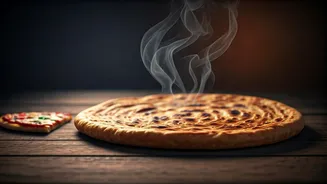
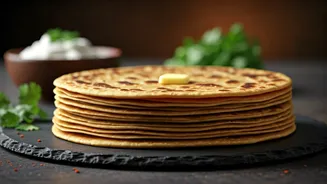
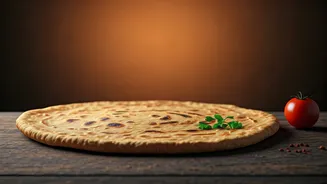
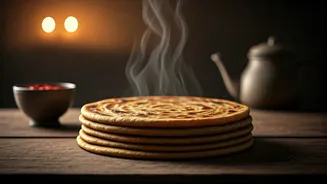
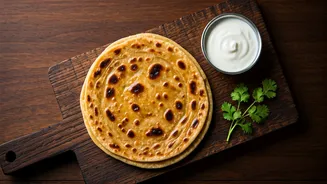
Paratha, a staple of Indian cuisine, is a golden-brown, flaky flatbread often enjoyed for breakfast. Its name, derived from 'parat' and 'atta' (flour),
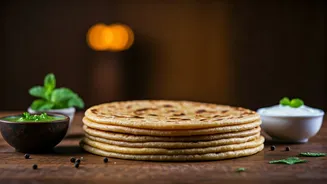
signifies its layered, cooked dough. Typically made from whole wheat flour and cooked in ghee, parathas come in various shapes like round, triangular, or square. They can be enjoyed plain or generously stuffed with an array of ingredients such as mashed potatoes, cauliflower, paneer, or even spiced radishes. These versatile breads are commonly served with accompaniments like pickles, cooling yogurt, or homemade chutneys. In Punjab, a traditional pairing includes lassi, a refreshing yogurt-based drink. While originating in Peshawar, Pakistan, the paratha has become a widespread favorite across India, found everywhere from bustling street stalls to roadside eateries. A South Indian variation known as parotta also exists. An enjoyable way to consume paratha is to roll it into a cylinder and dip it into a cup of tea.
The Comfort Factor
While the addictive nature of pizza is well-known, parathas possess an equally compelling, if not greater, allure that makes it hard to stop at just one. Experts suggest that parathas are an elevated form of roti, sharing the same fundamental flour base but enhanced with richer, spiced fillings. This familiarity and the comforting warmth of a freshly cooked paratha contribute significantly to its appeal. It's a hearty, satisfying dish that often evokes memories of home-cooked meals, making it a beloved choice for people of all ages. The inherent warmth and substantial nature of parathas provide a sense of deep satisfaction and comfort, akin to a culinary hug that is hard to resist.
Endless Variety Awaits
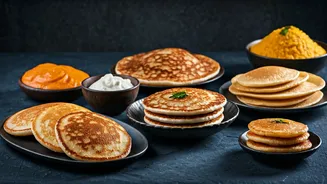
The true magic of paratha lies in its incredible diversity. From classic fillings like spiced potatoes (aloo) and crumbled paneer to regional favorites such as cauliflower (gobhi) and mint (pudina), the options are virtually limitless. This adaptability allows individuals to tailor their parathas to suit personal taste preferences, seasonal availability of ingredients, or even specific dietary requirements. Whether one prefers a spicy kick, a mild flavor, or a healthier spin, there's a paratha to satisfy every palate and dietary need. This customizability ensures that parathas remain an inclusive and appealing dish for a broad spectrum of eaters.
Versatile for All Meals
While parathas are frequently associated with breakfast, their versatility extends to encompass any meal of the day. For a morning meal, they pair wonderfully with a dollop of curd and a side of pickle. At lunchtime, a hearty paratha can be complemented by a flavorful curry. As an evening snack, it finds its perfect partner in a warm cup of tea. For dinner, a bowl of cooling raita alongside a paratha makes for a complete and satisfying meal. This adaptability makes paratha an ever-reliable option, fitting seamlessly into different mealtime routines and culinary contexts, proving its worth beyond the typical breakfast slot.
Balanced and Satisfying
A well-prepared paratha offers a wholesome balance of macronutrients, providing carbohydrates for energy, fats for richness, and often protein, especially when stuffed. This combination makes it an energizing and satisfying meal that effectively curbs hunger pangs. The inclusion of different ingredients within the paratha ensures a sustained release of energy, keeping one feeling full and content for extended periods. This makes it an excellent choice for anyone seeking a filling and nutritious meal that can power them through their day, leaving them feeling adequately nourished and sustained.