
What is Bathua?
Bathua, also known as Chenopodium album or white goosefoot, is a leafy green vegetable that thrives during the winter months. It's a powerhouse of nutrients,
packed with vitamins A, C, and K, along with essential minerals such as iron and calcium. Unlike some other greens, bathua has a milder flavor, making it versatile in the kitchen. Its delicate taste pairs well with various spices and other ingredients, making it an excellent addition to your winter diet. Bathua is a seasonal green found throughout India during the winter months. It can be easily incorporated in various Indian cuisines, from simple saag preparations to stuffed parathas. Bathua not only brings nutritional value to your plate but also contributes to the rich tapestry of Indian culinary traditions.
Bathua Saag Delight
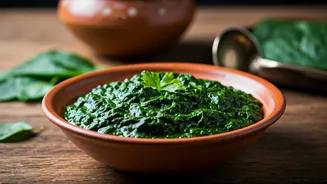
Bathua saag is a classic preparation that showcases the simple goodness of this green. To prepare this, you start by washing and finely chopping the bathua leaves. Then, sauté some onions, garlic, and green chilies in oil until they soften. Add the chopped bathua, salt, and spices like turmeric and red chili powder. Cook the mixture until the leaves wilt and soften. Some recipes add a touch of besan (gram flour) or mashed potatoes to thicken the saag and give it a richer texture. The dish simmers, allowing the flavors to meld together. Finally, garnish with a dollop of ghee or butter for an added touch of richness. Bathua saag is a perfect way to enjoy the vegetable's fresh, earthy taste.
Bathua Paratha Perfection
Bathua paratha is a delightful way to introduce the green into your daily diet. Start by kneading the bathua leaves, finely chopped or pureed, into the dough. You can also add some spices like cumin, coriander, and red chili powder for extra flavor. Once the dough is ready, roll it out into thin parathas. Cook the parathas on a hot tawa, using ghee or oil, until they turn golden brown and slightly crispy. The bathua parathas have a unique taste and texture. They're excellent when served with yogurt, pickles, or a simple vegetable curry. The parathas offer a hearty and flavorful breakfast or brunch option, and is loved by many.
Other Bathua Delights
Beyond saag and parathas, bathua can be used in numerous other dishes. It can be added to dals and curries for a nutritional boost. You can make bathua raita by mixing finely chopped bathua with yogurt, adding a refreshing element to your meal. The vegetable can be used as a filling for stuffed parathas or even dumplings. Some people incorporate bathua into their vegetable soups, enhancing both the taste and nutritional value. The versatility of this leafy green makes it a fantastic addition to various culinary creations. Don't hesitate to experiment with different recipes and discover new ways to enjoy bathua.
Tips and Variations
When cooking with bathua, there are a few tips to keep in mind. Ensure you wash the leaves thoroughly before using them, as they can sometimes contain dirt or sand. You can adjust the spice levels according to your preference. If you don't like too much spice, reduce the amount of green chilies and red chili powder. Experiment with different spices to find your favorite flavor combinations. In some variations, you might add paneer (Indian cheese) to the saag or paratha for added richness. You could also mix bathua with other greens like spinach or mustard greens to create a more complex flavor profile. Exploring different cooking methods and ingredients can truly enhance your culinary experience.