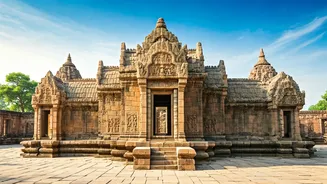

Temples: A Gateway
India's ancient temples are more than just places of worship; they're living museums, each with a unique story etched into its stones. These temples are architectural
wonders, showcasing the artistry and ingenuity of past civilizations. They offer insights into the religious beliefs, social structures, and artistic achievements of ancient India. Visiting these sites allows a deeper understanding of the country's diverse cultural landscape. The temples reflect various architectural styles, including Dravidian, Nagara, and Vesara, each contributing to a distinctive visual identity. Some temples are renowned for their intricate carvings, while others boast colossal structures that leave visitors in awe. When exploring these temples, one will encounter a world of myth and legend, where gods, goddesses, and epic tales come to life. These spaces continue to hold immense cultural significance, playing a vital role in the lives of millions across India.
Brihadeeswarar Temple, Thanjavur
This temple, a UNESCO World Heritage site, is a magnificent testament to the Chola dynasty's architectural prowess. Completed around 1010 AD, its towering structure and intricate carvings showcase the advanced engineering of the time. The temple's massive dome, carved from a single block of granite, is a marvel of construction. The temple is dedicated to Lord Shiva and attracts devotees and architecture enthusiasts from around the globe. The detailing on the temple walls provides a glimpse into the art and culture of the Chola period. The temple's design also incorporates various astronomical and mathematical principles, highlighting the Cholas' deep understanding of science. Brihadeeswarar Temple is a symbol of Tamil Nadu's cultural heritage and a testament to the enduring legacy of the Chola empire, making it a must-visit destination for anyone interested in Indian history.
Meenakshi Amman Temple, Madurai
This vibrant temple, a living embodiment of South Indian temple architecture, has a rich history spanning centuries. Dedicated to Goddess Meenakshi and Lord Sundareswarar, the temple complex sprawls over 15 acres, creating an experience of spiritual wonder. The temple's towering gopurams (gateway towers) are adorned with thousands of colorful sculptures depicting scenes from Hindu mythology. The intricate carvings and vibrant paintings within the temple walls tell stories of gods, goddesses, and ancient legends. The temple's bustling atmosphere, filled with the sounds of chanting and the aroma of incense, adds to its immersive quality. The Meenakshi Amman Temple is a symbol of Madurai's cultural identity and an active center for religious and artistic expression. The temple's festivals and celebrations draw huge crowds, contributing to the city's vibrant spiritual life. The temple’s daily rituals, intricate carvings, and energetic atmosphere combine to create a mesmerizing experience.
Khajuraho Temples, Madhya Pradesh
The Khajuraho temples, a UNESCO World Heritage site, are renowned for their stunning architecture and intricate sculptures. Built between the 9th and 12th centuries by the Chandela dynasty, these temples showcase a blend of artistry and symbolism. The temples feature a remarkable array of sculptures, depicting various aspects of life, including both secular and spiritual themes. The erotic sculptures are a notable feature, representing the celebration of life, love, and fertility. The temples are a testament to the Chandela dynasty's patronage of art and architecture, reflecting a rich cultural heritage. Each temple is a masterpiece in its own right, displaying various architectural styles and artistic techniques. The complex includes several temples dedicated to different Hindu deities, such as Shiva, Vishnu, and Surya. The temples of Khajuraho offer a glimpse into the diverse beliefs and artistic achievements of ancient India, making them a unique and captivating destination.
Konark Sun Temple, Odisha
This temple, a UNESCO World Heritage site, is dedicated to the sun god, Surya, and is an outstanding example of Odisha's architectural brilliance. Built in the 13th century, the temple is designed as a colossal chariot pulled by horses, symbolizing the sun god's journey across the sky. The temple's intricate carvings depict scenes from daily life, as well as mythological narratives. The temple's architectural design reflects a profound understanding of geometry and celestial movements. The Konark Sun Temple is an emblem of Odisha's artistic legacy, attracting visitors from all over the world. The temple’s strategic placement on the coast highlights the maritime history of the region. The elaborate carvings on the wheels and walls of the chariot-shaped temple are symbolic representations of time and space. The temple's imposing structure and the vibrant energy of the surroundings create an unforgettable experience.
Dilwara Temples, Mount Abu
Located in Rajasthan, the Dilwara Temples are a series of Jain temples known for their exceptional marble carvings. Built between the 11th and 13th centuries, these temples are a testament to Jain architectural excellence. The temples' interiors are adorned with incredibly detailed carvings, showcasing the remarkable skill of the artisans. The use of white marble and the intricate patterns create an atmosphere of serenity and beauty. Each temple is dedicated to a different Jain Tirthankara, reflecting the diverse beliefs within the Jain faith. The Dilwara Temples are a symbol of devotion and artistic mastery, attracting pilgrims and tourists alike. The temples' architectural design is characterized by delicate details, geometric patterns, and intricate sculptures. The temple complex offers a tranquil and inspiring environment. These Jain temples stand as an epitome of beauty, artistry, and spirituality.
Shore Temple, Mahabalipuram
This temple, a UNESCO World Heritage site in Tamil Nadu, is a stunning example of Dravidian architecture, standing proudly on the shores of the Bay of Bengal. Constructed in the 8th century, the temple complex comprises three temples dedicated to Lord Shiva and Lord Vishnu. The temple's architecture demonstrates the Pallava dynasty's mastery of stone carving and architectural design. The Shore Temple's location, with the ocean as its backdrop, adds to its charm and appeal. The temple has withstood the test of time, enduring erosion and natural disasters for centuries. The temple's sculptures and carvings reflect Pallava art and culture. The Shore Temple offers visitors an unparalleled fusion of history, art, and natural beauty. This temple continues to stand as a testament to India's maritime history and artistic legacy.
Ranakpur Jain Temple, Rajasthan
Nestled in the Aravalli hills of Rajasthan, the Ranakpur Jain Temple is celebrated for its elaborate architecture and intricate marble carvings. Built in the 15th century, the temple is dedicated to Adinatha, the first Tirthankara of Jainism. The temple's complex design includes numerous pillars, each adorned with intricate carvings and offering stunning visual harmony. The temple's construction displays an impressive use of light and shadow, creating a dynamic and inspiring atmosphere. The temple showcases a blend of architectural styles, including Nagara and Dravidian, adding to its unique appeal. The Ranakpur Jain Temple is a symbol of Jain faith and artistic heritage, attracting visitors from across the globe. The temple's location in a secluded valley contributes to its peaceful and serene ambiance. The intricately carved pillars, domes, and ceilings offer an unparalleled visual spectacle.
Venkateswara Temple, Tirupati
Located in Andhra Pradesh, the Venkateswara Temple, also known as the Tirumala Temple, is one of the most visited pilgrimage sites in the world. Dedicated to Lord Venkateswara, the temple has a rich history and spiritual significance. The temple's architecture, developed over centuries, is a blend of various styles, showcasing the evolving artistry. The temple's spiritual atmosphere attracts millions of devotees each year, making it a living symbol of faith. The temple's daily rituals and festivals reflect traditional Hindu customs and beliefs. The Venkateswara Temple is a center for social and economic activities, creating a sense of community. The temple's stunning setting on the Tirumala hills adds to its unique appeal. This temple is a spiritual oasis that blends faith, history, and community.
Somnath Temple, Gujarat
Located on the western coast of Gujarat, the Somnath Temple is one of the twelve Jyotirlinga shrines dedicated to Lord Shiva. With a history that dates back centuries, the temple has undergone numerous reconstructions, reflecting its resilience. The temple's architecture displays a distinctive blend of styles, with a focus on its spiritual significance. The Somnath Temple has witnessed various historical events, adding to its cultural importance. The temple has been a center of pilgrimage for centuries, attracting devotees from all over India. The temple's location on the coast provides breathtaking views, enhancing its appeal. The Somnath Temple represents faith, resilience, and India's enduring heritage. This sacred place resonates with a deep sense of devotion, historical significance, and resilience.