





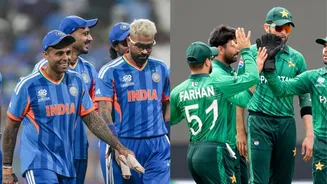
Initial Boycott Stance
The Pakistan Cricket Board (PCB) initially signaled strong displeasure following the ICC's refusal to relocate Bangladesh's group matches away from India,
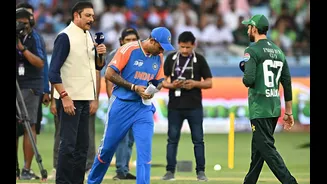
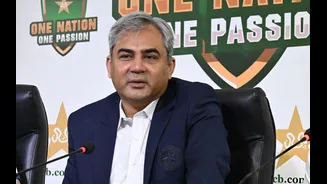
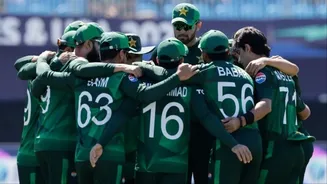
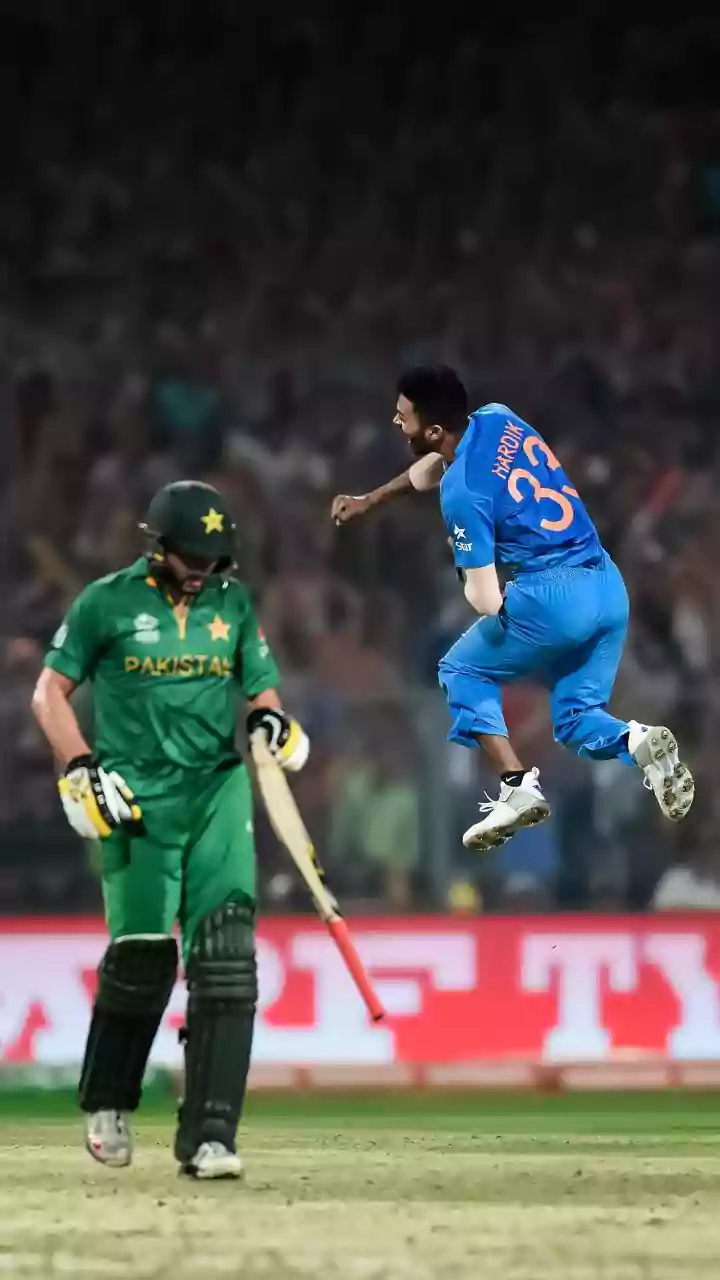
citing security concerns. PCB Chairman Mohsin Naqvi hinted at 'drastic steps' in a show of solidarity with the Bangladesh Cricket Board. This was followed by a significant announcement from the Pakistani government on February 1st: while the national team would participate in the World Cup, they would definitively not play against India. This firm stance was met with a stern warning from the ICC, outlining potential points forfeiture and substantial financial penalties, yet Islamabad remained resolute in its decision, setting the stage for a major cricketing confrontation.
ICC Intervenes Diplomatically
Shifting from mere threats to active diplomacy, the ICC initiated a series of high-stakes discussions. Deputy Chair Imran Khwaja and Emirates Cricket Board (ECB) chief Mubashir Usmani engaged in extensive 'marathon' calls with PCB Chairman Mohsin Naqvi. This intervention was fueled by the expressed 'deep displeasure' from influential cricket boards across the globe, who were deeply concerned about the potential loss of significant broadcast revenue that a Pakistan-India match guarantees. The ICC's engagement underscored the critical importance of this fixture to the global cricketing economy and the sport's broader appeal.
Economic Repercussions Emerge
The situation escalated as Sri Lanka Cricket (SLC) President Shammi Silva formally penned a letter to the PCB. Silva issued a stark warning about the 'catastrophic economic fallout' for Sri Lanka, the host nation, should the scheduled Colombo fixture be cancelled. He eloquently reminded Pakistan of Sri Lanka's past support, highlighting their willingness to tour Pakistan during a period when the nation faced international isolation. This appeal underscored the interconnectedness of cricket nations and the significant financial implications of such a boycott, extending beyond the participating teams.
Force Majeure Plea Rejected
Following their victory against the Netherlands, the PCB made a formal plea to the ICC to invoke the 'Force Majeure' clause. Chairman Mohsin Naqvi contended that directives from the Pakistani government prevented the team from competing against India. However, the ICC swiftly rejected this plea, demanding concrete evidence that all possible 'mitigation measures' had been exhausted before considering such an extraordinary clause. This rejection signaled the ICC's unwillingness to accept the government directive as a sole justification for a boycott, pushing Pakistan to explore all avenues.
Negotiations and Final Decision
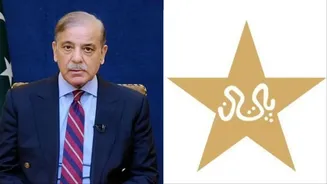
A pivotal five-hour meeting took place in Lahore between PCB Chairman Mohsin Naqvi, BCB President Aminul Islam, and ICC Deputy Chair Imran Khwaja. This crucial discussion marked a turning point, suggesting that Pakistan was now seeking a 'face-saving exit' rather than a complete withdrawal. The ECB further emphasized the financial strain a boycott would impose on Associate nations reliant on ICC revenue, while the BCB officially urged Pakistan to proceed with the match for the 'sake of the cricket ecosystem.' Ultimately, on the evening of February 9th, Pakistan's Prime Minister Shehbaz Sharif issued a directive, rescinding the earlier government order and granting permission for the team to play India on February 15th.