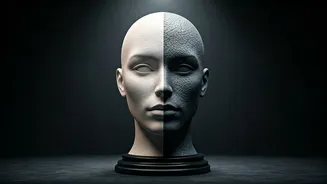







Distinct Features & Makeup
Palak Tiwari recently opened up about her early experiences with makeup, noting how her skin and facial features differ significantly from her mother,
Shweta Tiwari. She recalled being a child when her mother's makeup artist would style her, using techniques that suited Shweta's softer complexion. Palak felt these looks didn't complement her own features, leading to dissatisfaction with makeup. As she matured, Palak began experimenting with her own makeup, humorously admitting to 'borrowing' products from her mother's collection. This personal revelation underscores the idea that makeup is deeply individual and requires a personalized approach, as techniques and products must be tailored to each person's unique canvas.
Expert Views on Makeup
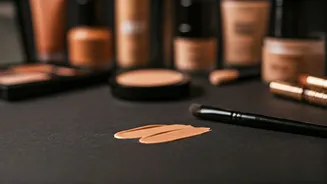
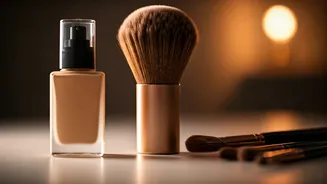
Dr. Shweta Nakhawa, a dermatologist, emphasizes that makeup is far from a universal solution, aligning with Palak's observations. She explains that every individual possesses unique facial characteristics and skin types, meaning a makeup style that enhances one person might not suit another. For example, someone with softer facial contours might aim for a dewy, blended appearance, whereas individuals with more defined or sharper features might opt for a different aesthetic. This individuality extends to skin texture; makeup can appear markedly different on oily skin compared to dry skin, requiring distinct product choices and application methods to achieve the desired outcome and ensure products blend seamlessly.
Facial Structure's Role
The shape and structure of one's face undeniably play a crucial role in dictating makeup strategies, as explained by Dr. Nakhawa. Features like prominent cheekbones, a defined jawline, fuller cheeks, or a broader forehead all influence how makeup is applied. Specific techniques such as contouring, highlighting, and blush placement must be adapted to complement these inherent structures. Furthermore, the eye area itself, whether featuring hooded lids, deep-set eyes, or larger eyes, impacts the effectiveness and appearance of eye makeup like eyeliner, eyeshadow, and mascara. The overarching goal of makeup, as Dr. Nakhawa points out, is to accentuate and enhance existing facial features rather than attempting to conceal them.
Finding Your Best Look
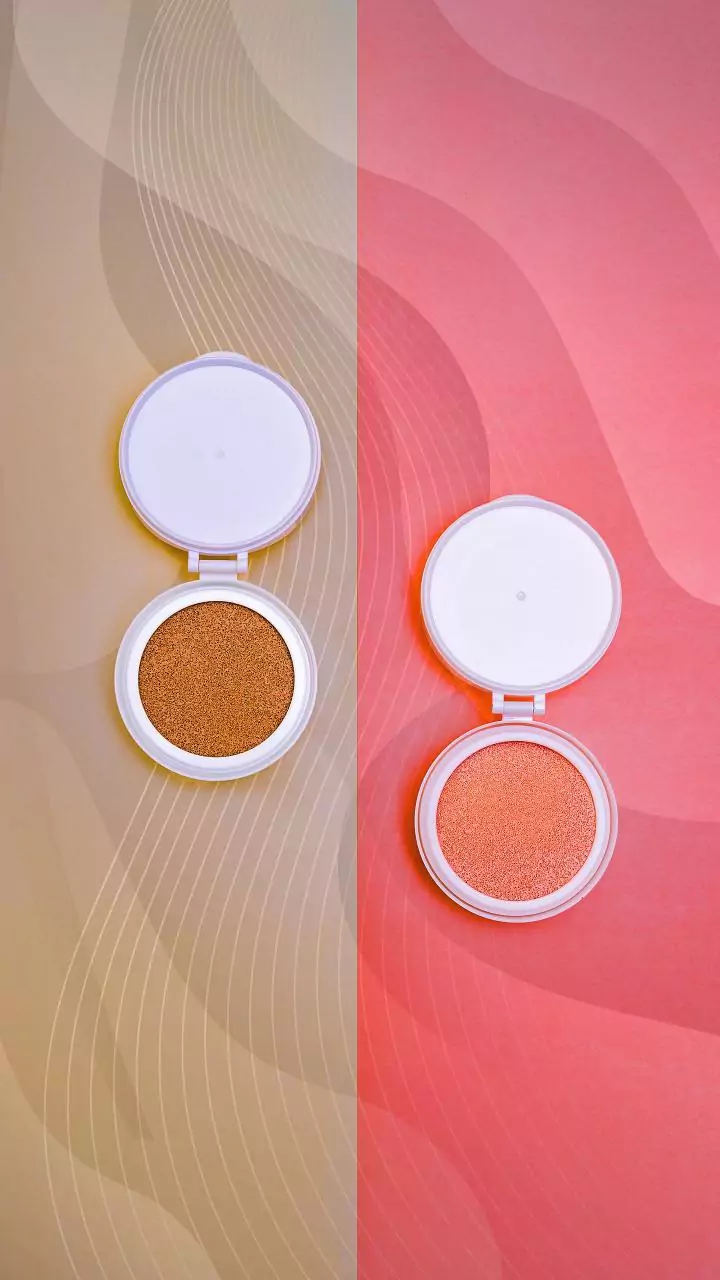
While it's natural for younger individuals to explore makeup, it's vital to prioritize skin health and use high-quality products. Dr. Nakhawa advises that the most effective path to mastering makeup is through personal experimentation, observation, and understanding one's own skin and features. Over time, individuals naturally discover which textures and colors best suit them. By carefully considering one's skin type, selecting products that match their natural undertone, and maintaining a consistent skincare routine, makeup can achieve a more natural and flattering finish, enhancing individuality rather than masking it.