






Freedom on Rails
In a heartwarming display of progress, the Mumbai Metro has emerged as a beacon of accessibility, resonating deeply with individuals who rely on wheelchairs.
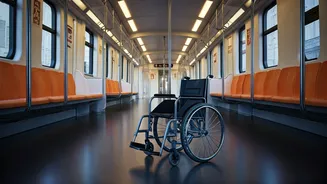
A recent viral video beautifully captured the sentiment of a wheelchair user who articulated their experience on the metro not just as a commute, but as an embodiment of genuine freedom. This narrative highlights the profound impact that thoughtful urban planning and inclusive design can have on a person's sense of autonomy and independence. The ease with which this individual navigated the metro system—from boarding to alighting—underscored a remarkable shift from potential barriers to seamless mobility. It’s a powerful testament to how well-executed infrastructure can dismantle societal limitations and foster a more equitable travel environment for all citizens, particularly those with mobility challenges. The positive reception of this story online speaks volumes about the public's appreciation for such advancements and the collective desire for a more accessible city.
Accessible Journeys, Empowered Lives
The Mumbai Metro's commitment to accessibility is paving the way for a more inclusive urban landscape, fundamentally altering the travel experience for wheelchair users. Gone are the days of anticipating insurmountable obstacles; instead, there's a newfound sense of liberation and self-reliance. This transformation is rooted in features designed to cater to diverse needs, ensuring that every journey is as smooth and dignified as possible. From spacious platforms and gentle ramps to dedicated wheelchair spaces within the trains and easy-to-operate doors, every element is geared towards facilitating independent movement. This isn't merely about reaching a destination; it's about the psychological uplift that comes from navigating public spaces with confidence and ease. The ability to travel spontaneously, without needing constant assistance, unlocks a world of opportunities, fostering greater social participation and personal growth for individuals who have historically faced significant challenges in urban mobility. The metro system, in this regard, serves as more than just transportation; it is a crucial enabler of empowerment.