




The Wildlife Capital
Contrary to what many might assume, Uttar Pradesh and Uttarakhand do not hold the title for the most national parks in India. That distinction belongs
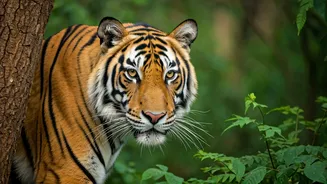
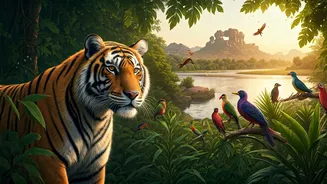
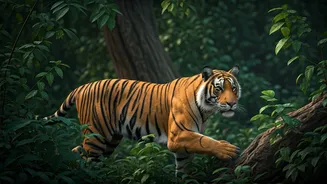
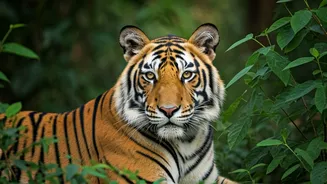
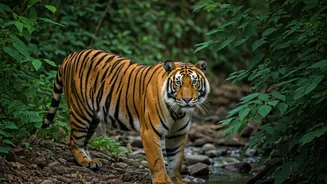
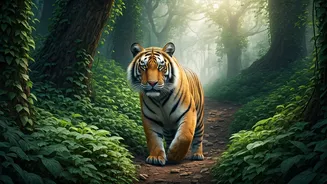
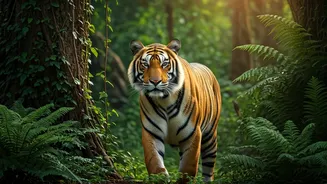
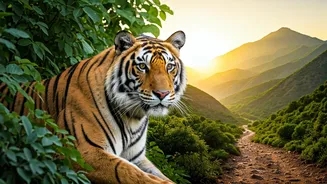
to Madhya Pradesh, a central Indian state often referred to as the 'Heart of India'. This state is renowned for its abundant wildlife and has accumulated a remarkable 11 to 12 national parks, more than any other region. These protected areas are vital for showcasing India's rich biodiversity, serving as crucial safe havens for a multitude of flora and fauna. Madhya Pradesh's parks are not just significant for conservation; they are celebrated for their high tiger densities, diverse landscapes ranging from dense forests to open grasslands, and the thrilling safari experiences they offer, solidifying its reputation as the 'Tiger State'.
Kanha's Jungle Book
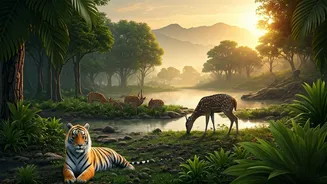
Kanha National Park is frequently lauded as one of India's most picturesque and efficiently managed wildlife sanctuaries. It stands as the largest national park in Madhya Pradesh, sprawling across approximately 940 square kilometers. Its varied terrain includes dense sal and bamboo forests, interspersed with expansive meadows, creating an ideal habitat for a wide array of wildlife. Visitors have a high probability of encountering iconic species such as tigers, the critically endangered barasingha (swamp deer), powerful gaurs, elusive leopards, and a multitude of bird species. The park's enchanting landscape, which inspired Rudyard Kipling's classic 'The Jungle Book,' makes it a prime destination for exhilarating jeep safaris and an unforgettable immersion into nature's grandeur.
Bandhavgarh's Fort
Bandhavgarh National Park is celebrated for boasting one of the highest tiger densities found anywhere in India. The park's dramatic topography is characterized by striking sandstone hills, ancient fort ruins, and dense forest cover, creating a visually captivating environment. Wildlife enthusiasts can frequently spot majestic tigers, swift leopards, graceful sambar deer, and an impressive array of over 250 bird species. Historically, this park served as a royal hunting ground for the maharajas of Rewa. Its unique combination of historical significance and a high likelihood of daytime tiger sightings makes it an exceptionally appealing destination for wildlife photographers and avid tiger spotters alike.
Pench's Riverine Charm
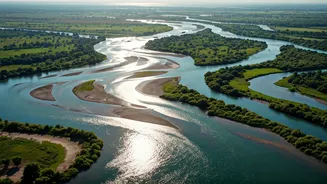
Drawing inspiration from Rudyard Kipling's 'The Jungle Book,' Pench National Park is a testament to the beauty of its teak forests, the meandering Pench River, and the undulating hills that define its landscape. This park offers excellent opportunities for observing tigers, leopards, wild dogs, and a rich variety of birdlife. Its scenic riverine environments, coupled with a dynamic mix of dense jungle and open clearings, provide a balanced and immersive safari experience. Pench is a favored destination for nature lovers who appreciate its serene atmosphere and the chance to witness diverse wildlife in a setting that feels both wild and accessible, making it a true natural spectacle.
Satpura's Rugged Beauty
Located south of the Narmada River, Satpura National Park distinguishes itself with its remarkably diverse terrain, encompassing rugged hills, deep valleys, and flowing rivers, all within the broader Pachmarhi Biosphere Reserve. The park is characterized by its beautiful sal forests and is home to unique wildlife such as sloth bears, Indian giant squirrels, leopards, and tigers. Beyond safaris, Satpura offers exceptional opportunities for trekking and boat safaris, allowing visitors to explore its pristine and relatively less-crowded environment. Photographers are particularly drawn to Satpura for its untouched natural beauty and the tranquil, immersive experience it provides away from the usual tourist trails.
Panna's Plateau Wonders
Panna National Park is renowned for its breathtaking landscapes, which are dominated by the Vindhya Plateau, deep gorges, and the vital Ken River, further enhanced by dramatic waterfalls. This park has made significant strides in tiger conservation, and visitors often have the chance to spot tigers, leopards, and various vulture species amidst its distinctive plateaus and forests. Adding to its allure are Neolithic-era rock paintings, which provide a fascinating glimpse into the region's ancient cultural history. Panna's scenic grandeur and its successful conservation efforts make it a compelling destination for those seeking both natural beauty and historical context.
Kuno's Cheetah Revival
Kuno National Park has garnered substantial international recognition primarily as the site for India's ambitious cheetah reintroduction project. The park's ecosystem comprises dry deciduous forests, expansive grasslands, and the Kuno River, which collectively support a burgeoning population of cheetahs, alongside leopards and other indigenous wildlife. This initiative represents a significant triumph in conservation, with the park's vast, open landscapes proving ideal for the re-establishment of these magnificent big cats. Kuno offers a unique opportunity to witness a groundbreaking conservation effort unfolding in a spectacular natural setting.
Bhopal's Urban Oasis
Nestled within the heart of Bhopal, Van Vihar National Park presents a distinctive urban wildlife experience. This park functions effectively as a rescue and breeding center, housing animals within spacious, naturalistic enclosures. It offers convenient access for visitors to observe a variety of animals, including tigers, bears, hyenas, crocodiles, and deer, without the need for extended safaris. This makes it an ideal destination for families or individuals with limited time. While more akin to a well-managed zoological garden, its setting within a scenic lakeside environment enhances its appeal, providing an accessible wildlife encounter.