


Sweet Beginnings: Meethe Chawal
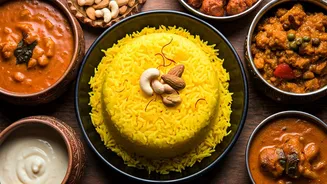
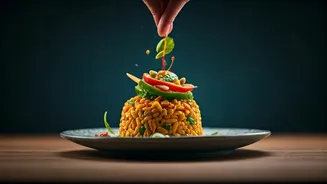
Meethe Chawal, translating to 'sweet rice,' is a quintessential Baisakhi delicacy that beautifully encapsulates the festival's essence. This dish is a delightful
concoction of perfectly cooked rice, sweetened with sugar, and enriched with the luxurious flavors of ghee, aromatic saffron, and the satisfying crunch of roasted nuts. A subtle hint of salt and sometimes a touch of pepper balances the sweetness, creating a harmonious blend. Beyond its delightful taste, Meethe Chawal holds profound cultural meaning. Its preparation signifies the immense joy and optimism associated with the harvest season, marking a prosperous and auspicious start to the new year. The inclusion of premium ingredients like saffron and assorted nuts is a symbolic representation of wealth, good fortune, and the overall abundance reaped from the land, making it a dish that nourishes both the body and the spirit during this significant celebration.
Hearty Comfort: Kadhi Chawal
Kadhi Chawal is a beloved comfort food that plays a pivotal role in Baisakhi celebrations, embodying togetherness and the spirit of sharing. This popular meal consists of a flavorful kadhi paired with steaming rice. The kadhi itself is a savory preparation, expertly crafted from gram flour, yogurt or buttermilk for a tangy base, and seasoned with a fragrant tempering of mustard oil, mustard seeds, curry leaves, fenugreek seeds, and dried red chilies. A touch of dry mango powder adds a subtle tang, and salt brings everything into balance. Served alongside fluffy, steamed rice, Kadhi Chawal is more than just a meal; during Baisakhi, its communal preparation and large-scale serving highlight the deep-seated value of unity and generosity within the community. It is a dish that reinforces bonds and celebrates the collective spirit of the harvest festival, making it an indispensable part of the Baisakhi table.
Refreshing Elixir: Lassi
Lassi, a classic and invigorating summer beverage, is an essential part of Baisakhi festivities, offering refreshment and a symbol of hospitality. This creamy drink is primarily made from thick yogurt, sweetened to taste, and often enhanced with rich malai (cream), a delicate hint of rose syrup for fragrance, and garnished with finely chopped nuts. Sometimes, a touch of rose water is added for an extra layer of floral aroma. Its importance extends beyond its thirst-quenching qualities; Lassi is crucial for maintaining hydration and cooling the body, especially after hours spent celebrating outdoors. Folklore suggests that serving Lassi is a warm gesture of welcome and generosity. Whether presented in traditional earthen glasses or more modern metalware, it universally reflects the abundance and welcoming spirit characteristic of the harvest season and the warmth of Punjabi hospitality.
Flavorful Feast: Amritsari Chole
Amritsari Chole offers a burst of spicy flavor and substantial nourishment, making it a celebrated dish during Baisakhi. This hearty chickpea preparation is a flavorful blend of ground spices, sautéed onions, fresh coriander leaves, ginger, and a zesty finish of lemon juice. It is traditionally served with fluffy bhature or kulcha, completing a satisfying meal. From a nutritional standpoint, chickpeas are an excellent source of plant-based protein and energy, providing the stamina needed for extended celebrations. Culturally, Amritsari Chole embodies the warmth and exceptional hospitality of Punjabi households. The intricate process of simmering soaked chickpeas with hand-pounded spices, then slightly mashing them for a rich consistency, reflects a dedication to culinary tradition and a deep sense of care. Served with immense love, it is a testament to the vibrant flavors and generous spirit of the festival.
Sacred Offering: Kada Prasad
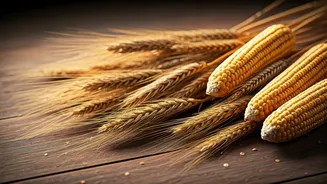
Kada Prasad stands as the most revered offering during Baisakhi, a sacred dish prepared with deep devotion and shared with all. This energy-dense sweet is made from whole wheat flour, generously mixed with ghee, and sweetened with sugar or sugar syrup. Its preparation is a spiritual act, as it is first offered to the divine as 'bhog' before being distributed amongst everyone present. Nutritionally, Kada Prasad is rich and calorie-dense, symbolizing the abundant blessings and prosperity of the harvest season. Culturally, its preparation is imbued with sincerity, and its equal distribution among all signifies the festival's core message: that the true joy of Baisakhi lies in shared gratitude, spiritual connection, and the equitable distribution of life's blessings. It is a powerful reminder of unity and thankfulness during this important harvest festival.