




Avoiding Sporting Penalties
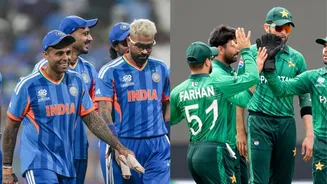
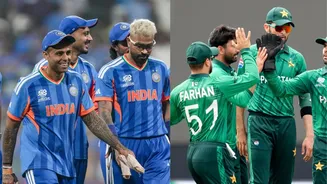
By stepping back from their boycott threat, Pakistan successfully sidestepped significant sporting repercussions. Had they gone through with forfeiting
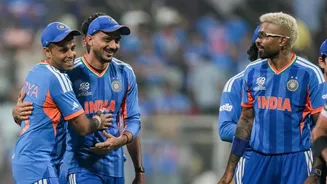
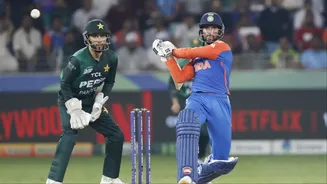
the crucial match against India, they would have forfeited two vital points from the group stages. This would have dealt a substantial blow to their Net Run Rate, a critical factor in tightly contested tournaments. In the context of a competitive T20 World Cup group, such a forfeiture could have effectively extinguished their aspirations of reaching the semifinals before the tournament had even properly gathered momentum. This strategic climbdown preserved their chance to compete and advance, a far better outcome than immediate elimination through a walkover. The decision ensured their campaign remained alive and kicking, allowing them to fight for qualification in subsequent matches.
Financial Ramifications
The financial implications of boycotting a match between India and Pakistan were immense, acting as a powerful deterrent. The clash between these two cricketing giants is consistently one of the most lucrative fixtures in the sport, generating tens of millions of dollars through broadcasting rights and sponsorship agreements. By threatening to withdraw, Pakistan risked substantial cuts to their share of ICC payouts, a financial exposure that made participation the only sensible economic choice. The potential loss of revenue from such a high-profile encounter was too significant to ignore, especially considering the commercial ecosystem that surrounds major ICC events. This financial reality heavily influenced the decision-making process, pushing for a resolution that protected both the sport's revenue streams and Pakistan's financial interests.
Bilateral Cricket Realities
Pakistan's desire to see a resumption of bilateral cricket series with India was a key point of their negotiation, but it encountered an immovable object. The International Cricket Council (ICC) consistently reiterated that such bilateral engagements fall under the purview of individual cricket boards and their respective agreements. Historically, the intricate web of political tensions between the two nations has been a significant impediment to scheduling these matches. The notion that such tours could be approved or facilitated during the ongoing global event was always a long shot, given the complexities involved. The ICC's stance underscored that the T20 World Cup was for international competition, not a platform to resolve broader cricketing relationship issues, making this particular demand unrealistic in the given circumstances.
Tri-Series as Posturing
The idea of an India-Pakistan-Bangladesh tri-series, suggested by Pakistan, appeared to be more about strategic positioning than a practical or achievable tournament format. India has, in recent years, largely avoided participating in multi-nation tournaments outside of the ICC's flagship events. This pattern suggests that the tri-series proposal was likely intended to influence perceptions and create a favorable narrative, rather than being a concrete plan for scheduling and execution. The logistical and political hurdles of orchestrating such a series, especially during a major global tournament, would have been substantial. Therefore, it is understood that the suggestion served more as a diplomatic maneuver to enhance Pakistan's negotiating posture rather than a realistic proposition for immediate implementation.
Diplomacy and Narrative
Pakistan skillfully managed its public image by framing its decision to withdraw the boycott threat as a gesture of regional solidarity. By referencing the requests and concerns of fellow cricketing nations like Bangladesh and Sri Lanka, Pakistan presented its reversal not as a capitulation to external pressure, but as a cooperative move within the South Asian cricket fraternity. This nuanced messaging proved crucial for domestic consumption, where decisions related to cricket are often deeply intertwined with nationalistic sentiments and public perception. By portraying the outcome as a united front, Pakistan aimed to mitigate any perception of weakness and maintain a strong domestic narrative around its engagement in international cricket, thus controlling the story surrounding its actions.
Bangladesh's Gains
In stark contrast to Pakistan's position, Bangladesh reportedly secured significant and tangible long-term benefits from the situation. While Pakistan navigated potential penalties, Bangladesh seemingly avoided any repercussions despite an earlier withdrawal. More importantly, Bangladesh reportedly secured future ICC hosting rights, with opportunities slated between 2028 and 2031. This outcome subtly but effectively shifted leverage towards Dhaka in the strategic planning and development of cricket infrastructure across the region. The gains for Bangladesh highlight a subtle reshaping of regional influence within the sport, demonstrating that diplomacy and strategic alignment can yield substantial future advantages in the long run.
ICC's Governance Power
The International Cricket Council (ICC) emerged from this episode with its governance authority significantly reinforced. The governing body's steadfast refusal to yield on Pakistan's major demands underscored a commitment to a consistent and predictable regulatory framework. Allowing exceptions or succumbing to threats of boycott could have established a dangerous precedent, potentially emboldening other nations to use similar tactics in the future. Such a scenario would inevitably threaten the stability and integrity of ICC competitions worldwide. By holding firm, the ICC demonstrated its role as the ultimate arbiter, ensuring that tournament regulations are respected and that the commercial ecosystem of global cricket remains protected from individual board's leverage.
Protecting the Ecosystem
The potential cancellation of a high-stakes India-Pakistan match posed a significant risk to the entire global cricket ecosystem. Such an event would have caused widespread disruption, impacting broadcast schedules, sponsor commitments, and fan engagement on a worldwide scale. The resolution of the boycott threat was therefore crucial for preserving the integrity and commercial viability of marquee fixtures, which form the backbone of cricket's financial model. By ensuring the match proceeded, the ICC protected the intricate network of commercial partnerships and fan excitement that underpins modern professional cricket, averting a shockwave that could have had far-reaching negative consequences across the sport.
Force Majeure Weakness
Pakistan had explored the possibility of invoking a 'force majeure' clause, a contractual provision typically reserved for unforeseen circumstances beyond anyone's control, such as war or natural disasters. However, in this specific scenario, where matches were scheduled to be held at neutral venues, this argument lacked significant competitive weight. The context did not align with the extreme and uncontrollable crises that force majeure is designed to address. Consequently, this line of reasoning struggled to meet the stringent contractual thresholds required, inherently weakening Pakistan's overall negotiating position and limiting its leverage in discussions with the ICC.
Future Negotiation Outlook
While Pakistan did not secure major immediate concessions, the decision to avoid sanctions provides a critical foundation for future diplomatic and cricketing engagements. By maintaining functional relationships and avoiding penalties, Pakistan has kept the channels open for smoother negotiations in upcoming ICC cycles. In the complex world of multinational tournaments, maintaining governance stability and functional bilateral ties often proves to be a more valuable long-term strategy than achieving short-term bargaining victories. This approach ensures that Pakistan remains a constructive participant in the global cricket community, preserving its ability to influence future decisions and secure its interests in the evolving landscape of international cricket.