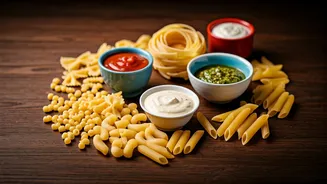




The Pasta-Sauce Symphony
The magic of a truly delightful pasta dish lies not solely in its sauce, but in the harmonious marriage between that sauce and the pasta's form. Each pasta shape
is meticulously crafted to interact with sauces in unique ways, influencing the overall texture, flavor distribution, and even the sensory experience of eating. Think of it as a culinary dance where the pasta provides the stage and the sauce is the star performer. This intricate relationship means that selecting the right pasta shape is just as crucial as choosing the perfect sauce. Whether you're aiming for a rich, comforting meal or a light, zesty plate, the pasta’s structure plays a pivotal role in how successfully the flavors meld and how satisfying each bite is. Understanding these fundamental pairings elevates a simple meal into a memorable gastronomic event, ensuring every component contributes to a cohesive and enjoyable whole.
Macaroni: The Comfort Classic
Macaroni, instantly recognizable by its short, curved tubular form, is the undisputed champion of comforting, cheesy dishes. Its hollow core acts like a tiny vessel, perfectly designed to capture and hold creamy, rich cheese sauces. This internal embrace ensures that every mouthful delivers an intense burst of cheesy flavor, making it the go-to for iconic dishes like baked macaroni and cheese. The pasta itself softens beautifully when baked, creating a wonderfully yielding texture that is ideal for layered casseroles and oven-finished meals. While it excels in delivering a deeply satisfying and indulgent experience, it’s worth noting that its substantial nature might feel a bit heavy in extremely rich or decadent preparations where a lighter touch is desired.
Penne: Alfredo's Best Friend
Penne, characterized by its straight, tube-like shape with angled ends, is a frequent star in the world of Alfredo sauces. Its robust structure and often ridged exterior provide an excellent canvas for thick, creamy sauces to adhere to. The hollow center and the grooves work in tandem to grab and cling to rich ingredients, ensuring that each piece of pasta is generously coated. This makes Penne Alfredo a dish where the pasta, sauce, and any additional components, like chicken or vegetables, are in perfect balance. The firm texture of penne holds up admirably under heavy sauces, offering a pleasing bite. However, for individuals seeking lighter fare, its density can contribute to a more filling meal.
Spaghetti: Light Sauce Champion
Spaghetti, the quintessential long and thin strand, finds its perfect partners in light, oil-based, or delicate tomato sauces. Classic preparations like Aglio e Olio or a simple Marinara are ideal examples where spaghetti shines. Its slender form allows for an even coating of these lighter sauces, ensuring that the flavor is distributed without overwhelming the palate. This creates a dish that feels elegantly balanced and light, making it a great choice when you want the sauce to be present but not dominant. However, spaghetti's delicate structure means it’s less suited for thick, chunky sauces or creamy concoctions that require a pasta with more substance to hold up to the heavier ingredients.
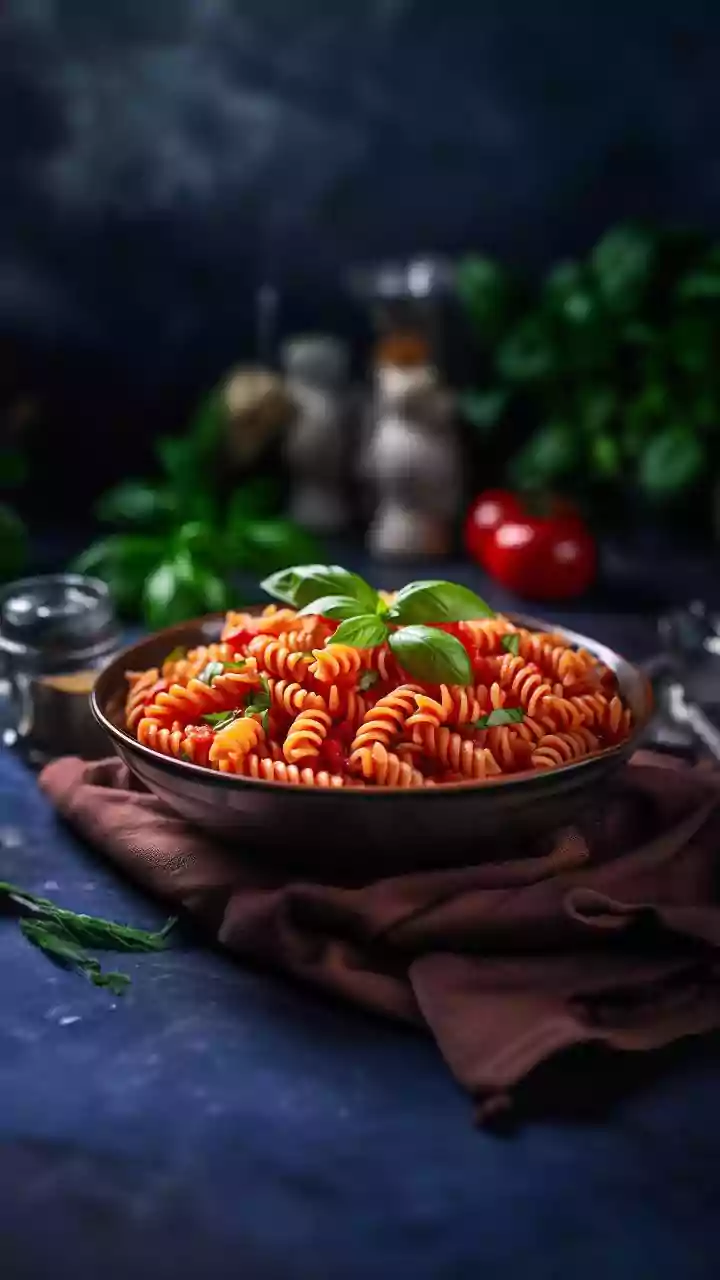
Fusilli: Twists of Flavor
The delightful spiral shape of fusilli makes it a versatile choice, particularly renowned for its ability to trap flavor. Whether it’s a vibrant pesto sauce or a medley of small ingredients like herbs, finely diced vegetables, or grated cheese, the twists and turns of fusilli act like little pockets, capturing and holding onto every delicious morsel. This feature ensures that every bite is packed with taste and offers an interesting textural element. Fusilli is equally at home in hot pasta dishes and chilled pasta salads, proving its adaptability. While its shape is excellent for holding sauce, extremely thick or heavy sauces might make the pasta feel a bit dense.
Farfalle: Bow-Ties for Taste
Farfalle, affectionately known as bow-tie pasta, offers a unique textural experience often favored in creamy or inventive fusion dishes. The firm, compact center provides a satisfying bite, while the delicate, ruffled edges tend to absorb sauce more readily and become softer. This contrast in textures within a single piece of pasta creates a dynamic eating sensation, making it a wonderful choice for cheese-based dishes and subtly spiced recipes. Beyond its taste contribution, farfalle's distinctive shape also adds a visually appealing element to any plate. However, achieving uniform cooking with farfalle requires attention, as the thinner edges can overcook before the center is perfectly tender if not prepared with care.
Fettuccine: Rich Sauce Embrace
Fettuccine, with its broad, flat ribbon-like form, is traditionally designed to cradle and carry rich, creamy sauces. Wide pasta shapes like fettuccine offer a substantial surface area, allowing decadent sauces to cling beautifully and evenly. This makes it a superb companion for dishes such as creamy mushroom pasta or traditional Alfredo variations, where the goal is an indulgent and deeply flavorful experience. The result is a robust and satisfying dish that is perfectly suited for those who appreciate bold, hearty flavors and a substantial meal, rather than a lighter, more delicate option.