







Respect Their Space
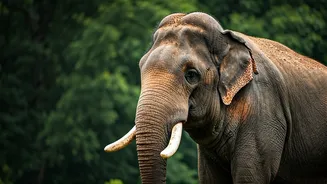
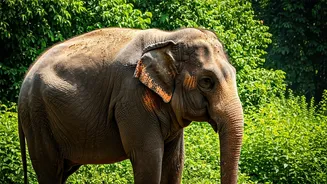
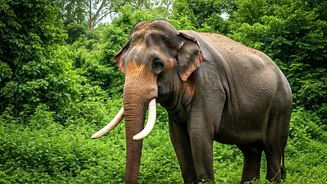
The unfortunate incident at Karnataka's Dubare Elephant Camp serves as a stark reminder that even seemingly docile animals can pose risks when in close
proximity to humans. A tourist's life was tragically lost during a public bathing session, highlighting the inherent dangers of wildlife tourism. It is paramount for all visitors to understand that animals, regardless of their training or familiarity with people, should never be approached for photographs or close-up interactions. This principle applies across various wildlife settings, including safaris, reserves, and marine environments. Domesticated or trained animals can exhibit unpredictable behavior if they perceive any form of threat, stress, or challenge from other animals or even from human actions. Maintaining a safe distance is not merely a suggestion; it is a critical safety measure that respects the animal's well-being and ensures your own security. The allure of a perfect photo should never overshadow the fundamental need for caution and respect for wild creatures, especially in their environment.
Heed All Warnings
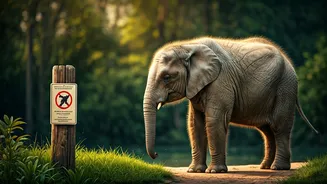
Wildlife management areas, such as national parks, sanctuaries, and tourism camps, implement specific viewing restrictions and guidelines for very important reasons. These directives are established by experienced forest officials, wildlife experts, and guides who possess a deep understanding of animal behavior patterns and potential risks. Disregarding these established instructions, venturing into unauthorized zones, or attempting to get closer for a better vantage point can swiftly lead to perilous situations. It is essential to recognize that these barriers and instructions are not arbitrary limitations but are carefully designed to ensure the safety of both visitors and the animals. Adhering to designated viewing areas and following the guidance provided by on-site personnel is a fundamental aspect of responsible wildlife tourism, preventing accidental provocations and ensuring a secure experience for everyone involved.
Maintain Quiet Demeanor
Animals possess highly sensitive sensory organs, including their hearing and sight, making them easily startled or agitated by unusual disturbances. Abrupt noises, shouting, running, or the use of flash photography can significantly irritate wildlife, particularly when they are in the presence of a large group of people. These stimuli can amplify their stress levels and lead to unpredictable reactions. The situation can become even more volatile when multiple animals are housed in close proximity, as heightened sensitivity can trigger aggressive or defensive behaviors. Therefore, visitors are urged to maintain a calm and quiet presence, avoiding sudden movements and refraining from using flash photography. This considerate approach helps to minimize the chances of provoking anxiety or aggression in the animals, contributing to a safer and more peaceful environment for all.
No Unofficial Feeding
The act of feeding wild animals, even if seemingly harmless, can have profound and dangerous consequences. Without official supervision and proper knowledge, feeding can alter an animal's natural behavior, leading to an increased and potentially hazardous interaction between animals and tourists. Animals may begin to associate human presence with food, becoming aggressive or overly persistent in their pursuit of sustenance. At designated wildlife sites, feeding is strictly permitted only under the guidance of trained professionals who are fully aware of the associated risks. Visitors are strongly advised against bringing any food into wildlife areas unless explicitly instructed to do so by site management. This rule is in place to prevent the disruption of natural feeding patterns and to mitigate the risks of aggressive encounters that can arise from animals expecting food from tourists.
Embrace Realistic Expectations
A common misconception about wildlife tourism is that animals in controlled environments like camps or reserves are entirely predictable due to their regular exposure to humans. This perspective is fundamentally flawed. Regardless of their familiarity with people, wild animals, including elephants, big cats, and marine life, will always operate based on their innate instincts. Approaching wildlife experiences with a cautious and realistic mindset is therefore essential. It's important to remember that even domesticated or trained animals can react unexpectedly under stress, during territorial disputes, or when startled. The incident at Dubare Elephant Camp tragically illustrated that even in a managed setting, wild animal behavior remains inherently unpredictable. Acknowledging this inherent wildness and maintaining a respectful distance is key to ensuring a safe and meaningful engagement with nature.