
Sundarban's Allure
The Sundarbans, a UNESCO World Heritage site, is the world's largest mangrove forest, situated in the delta formed by the Ganges, Brahmaputra, and Meghna
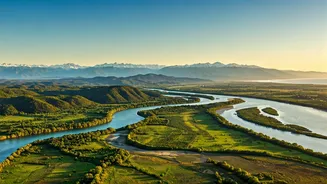
rivers. It's home to the iconic Royal Bengal Tiger, along with numerous other species adapted to this unique ecosystem. This complex network of waterways, mudflats, and mangrove forests provides a crucial habitat for various flora and fauna, including estuarine crocodiles, various species of fish, and a variety of birdlife. The Sundarbans serves as a vital natural barrier, protecting coastal regions from cyclones and erosion. Its intricate ecosystem also supports the livelihoods of local communities through fishing and forestry, highlighting the necessity of effective conservation strategies to ensure its survival.
Chilika's Beauty Unveiled
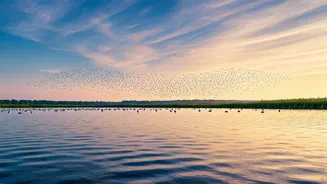
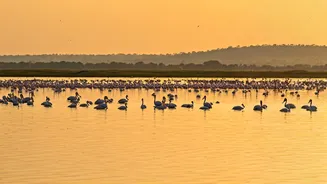
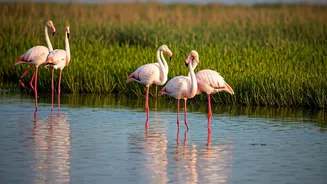
Chilika Lake, the largest coastal lagoon in India, is a biodiversity hotspot located in Odisha. This vast brackish water lagoon is a wintering ground for migratory birds from across the globe, providing shelter and sustenance. The lake also supports a rich variety of aquatic life, including Irrawaddy dolphins, various fish species, and crustaceans, contributing to the livelihoods of local fishing communities. Chilika's rich biodiversity is supported by the fresh water from rivers and streams flowing into the lagoon. Its changing salinity levels, based on the season, support different species and make the environment unique. Recognizing its importance, Chilika Lake was designated as a Ramsar site, emphasizing the need for its conservation and sustainable management practices to protect its rich ecological value.
Keoladeo's Bird Paradise
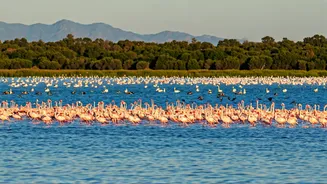
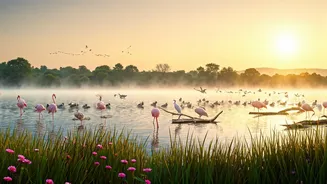
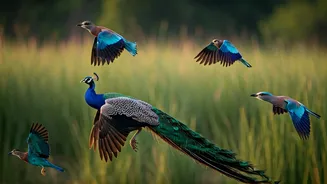
Keoladeo National Park, located in Rajasthan, is a man-made wetland recognized as a UNESCO World Heritage site and a haven for birdlife. It was formerly known as Bharatpur Bird Sanctuary. The park's diverse habitats, including marshes, grasslands, and woodlands, provide an ideal environment for a wide array of bird species, both resident and migratory. Keoladeo serves as a crucial stopover for migratory birds from Central Asia. The park hosts more than 370 bird species, as well as mammals, fish, and reptiles. The careful management of water resources within the park is vital for maintaining its ecological integrity and providing a sustainable habitat for its avian inhabitants. It underscores the value of such protected areas in the conservation of biodiversity and providing a suitable place for migratory birds.
Wular's Freshwater Glory
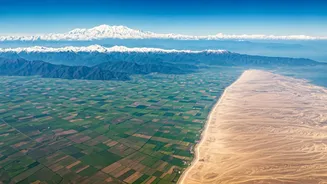
Wular Lake, located in Jammu and Kashmir, is one of the largest freshwater lakes in Asia and a significant wetland ecosystem. Its waters play a crucial role in regulating the regional hydrological cycle and support diverse aquatic life. The lake is a major source of water for the Jhelum River, a vital waterway that supports the region's agriculture and livelihoods. Wular Lake is also an important habitat for migratory birds and provides fishing resources for local communities. The lake's surroundings have seen considerable human activity, creating pressure for conservation management to protect its ecological services and biodiversity. The lake's importance lies in its rich biodiversity and its function in supporting local communities.
Loktak's Floating Marvel
Loktak Lake in Manipur is famous for its unique phumdis, floating islands composed of vegetation, soil, and organic matter. This lake is not only a natural wonder but also a significant wetland ecosystem that plays a crucial role in supporting biodiversity and livelihoods. The lake supports a variety of aquatic flora and fauna, including the endangered Sangai deer, found exclusively in this environment. Loktak Lake serves as a vital source of water for irrigation, fisheries, and drinking water for the region. The lake faces environmental challenges due to pollution and the impact of the Loktak Hydropower Project, highlighting the need for sustainable management practices to protect its ecological balance and value.