
Warm Japan Sea's Role
The Sea of Japan plays a pivotal role in the heavy snowfall experienced by the country. Its warm waters provide a source of moisture and energy that is essential
for the formation of snow clouds. During the winter months, cold air masses from Siberia move over the relatively warm sea, picking up moisture. As this air rises and cools, the water vapor condenses, leading to the formation of extensive snow clouds. The warm waters act like a natural snow machine, creating the ideal conditions for heavy snowfall. This effect is a critical element in the overall snowfall accumulation in this region, contributing significantly to its status as the snowiest place on Earth. The sea's influence ensures that the winter months bring substantial precipitation in the form of snow.
Latitude's Influence Examined
Latitude, or the distance from the equator, significantly shapes snowfall patterns, but the effects aren't always straightforward. Typically, higher latitudes, closer to the poles, experience colder temperatures and, consequently, more snow. However, factors like proximity to oceans, mountain ranges, and prevailing wind patterns can profoundly influence these patterns. The unexpected location with the most snowfall defies the simple expectation that higher latitudes always mean more snow. This phenomenon is a result of a complex interplay between these various geographic and atmospheric conditions, demonstrating how latitude is only one piece of the puzzle. The combination of latitude with other environmental elements creates a unique environment for the formation of significant snowfall, challenging common assumptions about which locations receive the most snow.
Challenging Common Views
Popular expectations often point to countries like Canada, Norway, or Greenland as the snowiest places globally. These nations are frequently associated with vast, snow-covered landscapes, leading to the assumption that they receive the most snowfall. However, the reality is quite surprising and challenges these widespread beliefs. While these countries certainly experience significant snowfall, they do not hold the title of the snowiest. This discrepancy highlights how media portrayals and general knowledge can sometimes mislead perceptions of weather patterns. This understanding helps one realize that the complex interplay of geographical and atmospheric factors creates unique microclimates capable of producing exceptional amounts of snow, often in unexpected places. The actual snowiest location underscores the importance of looking beyond superficial appearances to discover the real champions of winter.
The Surprising Answer Revealed
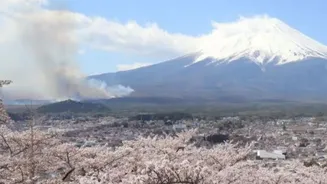
The country that claims the title of the snowiest is Japan, a revelation that often surprises people. While Japan might not be the first country that comes to mind when thinking about extreme snowfall, its unique geographical and atmospheric conditions combine to create an environment perfect for snow. This unexpected answer underlines the complexity of global weather patterns and the variety of factors that influence snowfall accumulation. The answer may seem unconventional compared to assumptions about snowfall champions, but the reality is more fascinating, highlighting the remarkable interplay of nature’s elements. Japan's claim to the snowiest title reminds us of the planet's diverse and sometimes counterintuitive nature, revealing the unexpected marvels of the world.
The Perfect Snowstorm's Ingredients
The exceptional snowfall in Japan results from a perfect storm of environmental elements. The warm waters of the Sea of Japan provide moisture, which is the essential fuel for snow formation. Cold air masses sweeping in from Siberia interact with this moisture, creating conditions where massive amounts of snow clouds can develop. Furthermore, Japan's mountainous terrain acts as a barrier, forcing the moist air to rise and cool, which intensifies snowfall. This combination of factors — warm seas, cold air, and mountainous geography — forms a complex system that results in an extraordinary amount of snowfall. These ingredients work in concert, making Japan the ideal location for creating record-breaking snowfall. This convergence of elements perfectly illustrates how various geographical and atmospheric factors combine to influence the weather.
Terrain's Impact Discussed
Japan’s mountainous terrain plays a crucial role in its exceptional snowfall, acting as a natural amplifier of winter storms. The mountains force the moist air, laden with moisture from the Sea of Japan, to rise quickly. As the air ascends, it cools, and the water vapor condenses, leading to heavy snowfall along the mountain ranges. This orographic effect intensifies precipitation, resulting in particularly high snowfall accumulation in these areas. The mountains act as a catalyst, enhancing the impact of other meteorological factors and increasing the snowfall significantly. This interplay between the mountainous geography and the atmospheric conditions shows the critical link between topography and weather patterns. The mountainous landscape essentially creates a scenario where the snow falls heavily.
Record-Breaking Snowfall Explained
Japan consistently experiences record-breaking snowfall due to the previously described conditions. The synergistic effect of warm seas, cold air from Siberia, and mountainous terrain results in some of the highest snowfall measurements globally. Local regions in Japan frequently report extremely high annual snowfall, making it a prominent snow-producing location. This country holds several records for the sheer quantity of snow. These events highlight the intensity of winter storms, showcasing Japan's unique geographical and climatic characteristics. The continuous instances of record-breaking snowfall are testaments to the country's position as a world leader when it comes to extreme snowfall events. Japan's record-breaking snowfall is not just an occasional occurrence but a recurring feature of its winter climate.
Siberian Air's Cold Embrace
Cold air from Siberia is the catalyst that interacts with the moisture-laden air originating from the Sea of Japan, which is vital to the country's snowy climate. This cold air mass, when it encounters the warmer, more humid air, creates the perfect environment for massive snowfall. The temperature contrast and the influx of moisture give rise to the formation of dense clouds. As the air rises and cools, the moisture condenses and falls in the form of snow, often in significant amounts. This dynamic interplay between the two air masses is a major driver of Japan's heavy snowfall, demonstrating the crucial role of Siberia’s cold air in creating winter blizzards. The interaction demonstrates the complex atmospheric processes shaping Japan’s weather and contributing to its status as the snowiest country on Earth.