



Internal Hair Health
It's a common misconception that hair problems are solely due to external factors like pollution or harsh hair products. However, a closer look reveals
that many instances of hair fall are deeply rooted in internal bodily conditions, such as nutritional deficiencies or hormonal disruptions. The demands of modern living, characterized by fast-paced lifestyles and exposure to processed foods, often lead to a decline in hair quality as one of the first noticeable impacts. While the internet is brimming with remedies promising luscious locks, understanding the internal landscape of your body through specific medical assessments is crucial for truly addressing hair health concerns.
Iron Deficiency Impact
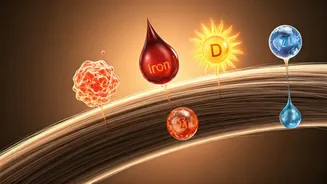
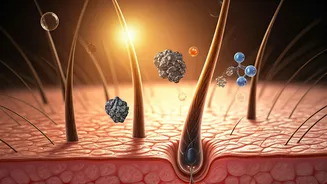
Iron deficiency, a condition particularly prevalent among women, can significantly impede hair vitality. Dr. Shitij Goel, a Senior Consultant in Dermatology, explains that iron is vital for transporting oxygen to the hair follicles via red blood cells. When iron levels are insufficient, these follicles don't receive adequate oxygen and essential nutrients, prompting them to enter a dormant phase, which subsequently results in increased hair shedding. This scenario is frequently observed in individuals experiencing heavy menstrual cycles or those with suboptimal dietary iron intake, highlighting the direct link between internal iron stores and hair fall.
Vital Vitamins & Minerals
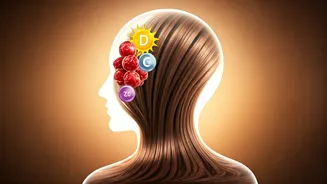
Beyond iron, deficiencies in certain vitamins and minerals—specifically Vitamin D, Vitamin B12, and Zinc—can also manifest visibly in your hair. According to Dr. Goel, Vitamin D plays a supporting role in the development of new hair follicles. Vitamin B12 is instrumental in ensuring efficient oxygen distribution to the scalp, a prerequisite for healthy hair growth. Zinc contributes to tissue repair processes and supports the function of the sebaceous glands surrounding hair follicles. A lack of any of these crucial micronutrients can lead to hair thinning, a noticeable slowing of hair growth, and an elevated rate of hair shedding, underscoring their importance for robust hair health.
Hormonal Influence on Hair
Hormonal imbalances, especially those involving the thyroid gland and androgen levels, are another significant contributor to hair loss. Dr. Goel points out that both an underactive thyroid (hypothyroidism) and an overactive thyroid (hyperthyroidism) can trigger diffuse hair loss across the scalp. Furthermore, imbalances in androgens, the male sex hormones present in both men and women, can disrupt typical hair growth patterns. This disruption can manifest as a more pronounced form of pattern baldness or generalized thinning of hair, demonstrating the intricate connection between endocrine health and hair vitality.
Targeted Testing Benefits
While these blood tests don't directly 'cure' hair fall, they serve as powerful diagnostic tools. They are instrumental in uncovering the underlying causes, transforming hair loss treatment from a process of trial and error into a precise and personalized approach. By identifying specific deficiencies or hormonal imbalances, dermatologists can recommend targeted therapies and lifestyle adjustments. This focused strategy is far more effective than employing generic remedies, ultimately leading to a more successful and sustainable improvement in hair health by addressing the root issue.